Street Fighter Wins Box Office, 'You Can See Everything' Shocks With $15M
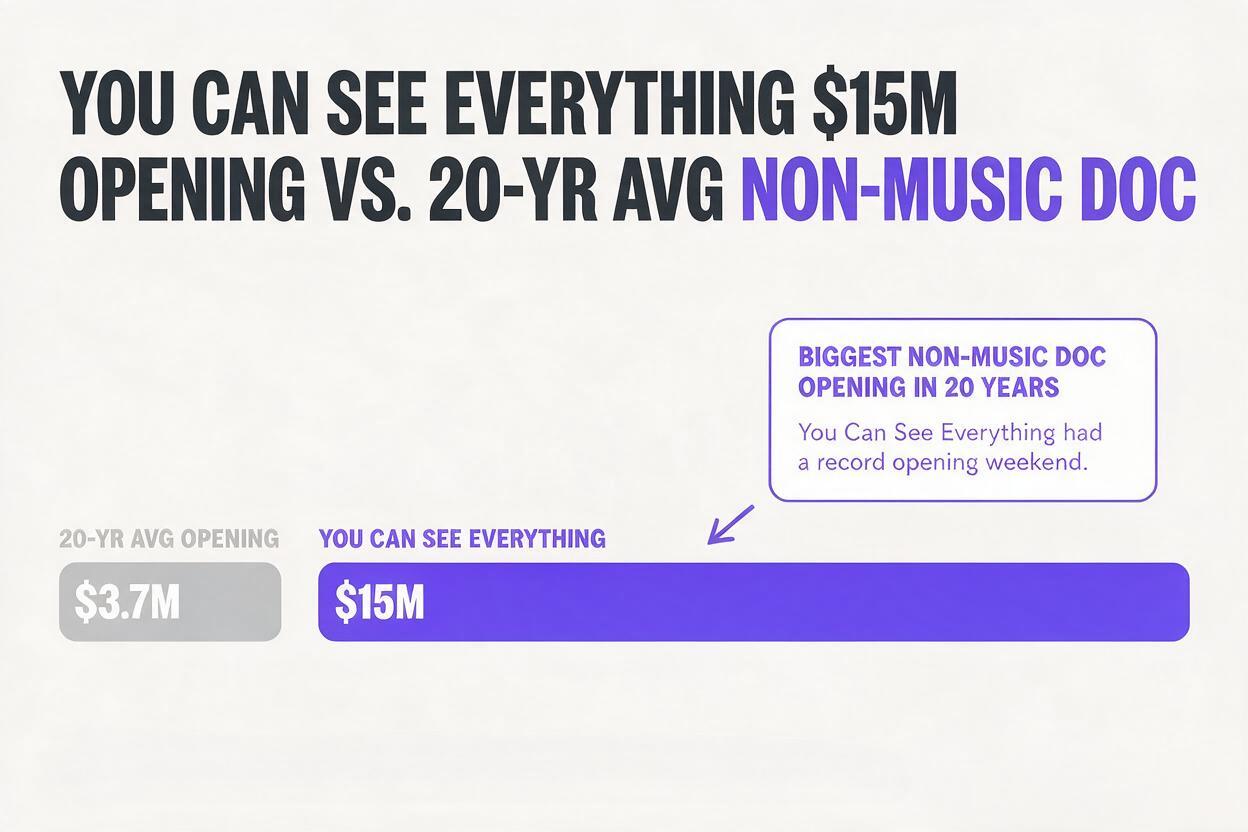
Paramount’s Street Fighter claimed the top spot at the North American weekend box office with $31 million, while A24’s Elizabeth Holmes documentary You Can See Everything shocked the industry with a $15 million opening from 855 theaters. Filmed in secret over three years by Nathan Fielder and Lance Oppenheim, the doc earned a 99% Rotten Tomatoes score and became the biggest non-music documentary opening in 20 years. This box office weekend offers key lessons for independent AI content creators building niche documentary and narrative projects.
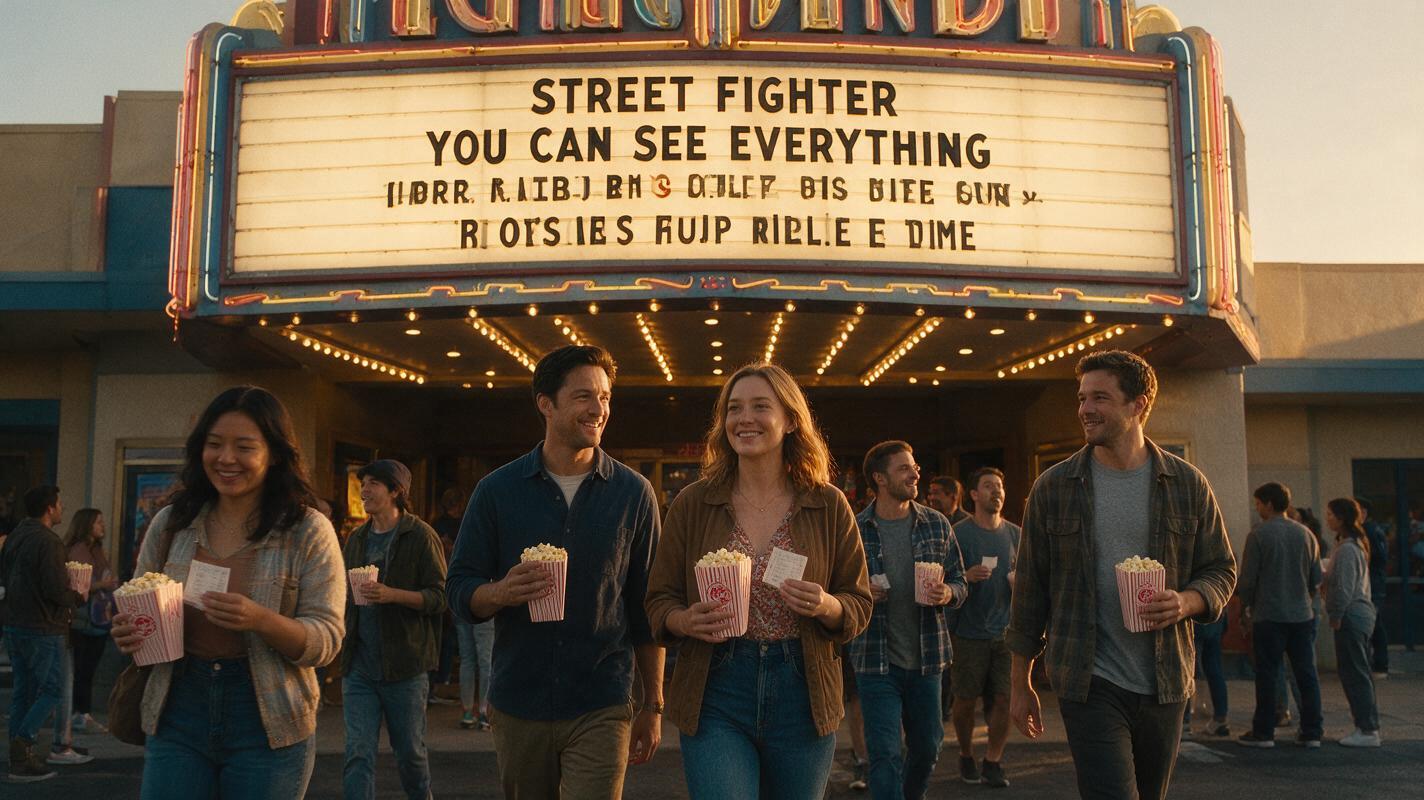
Table of contents
Weekend Box Office Recap: Street Fighter and a Surprise Documentary Dominate
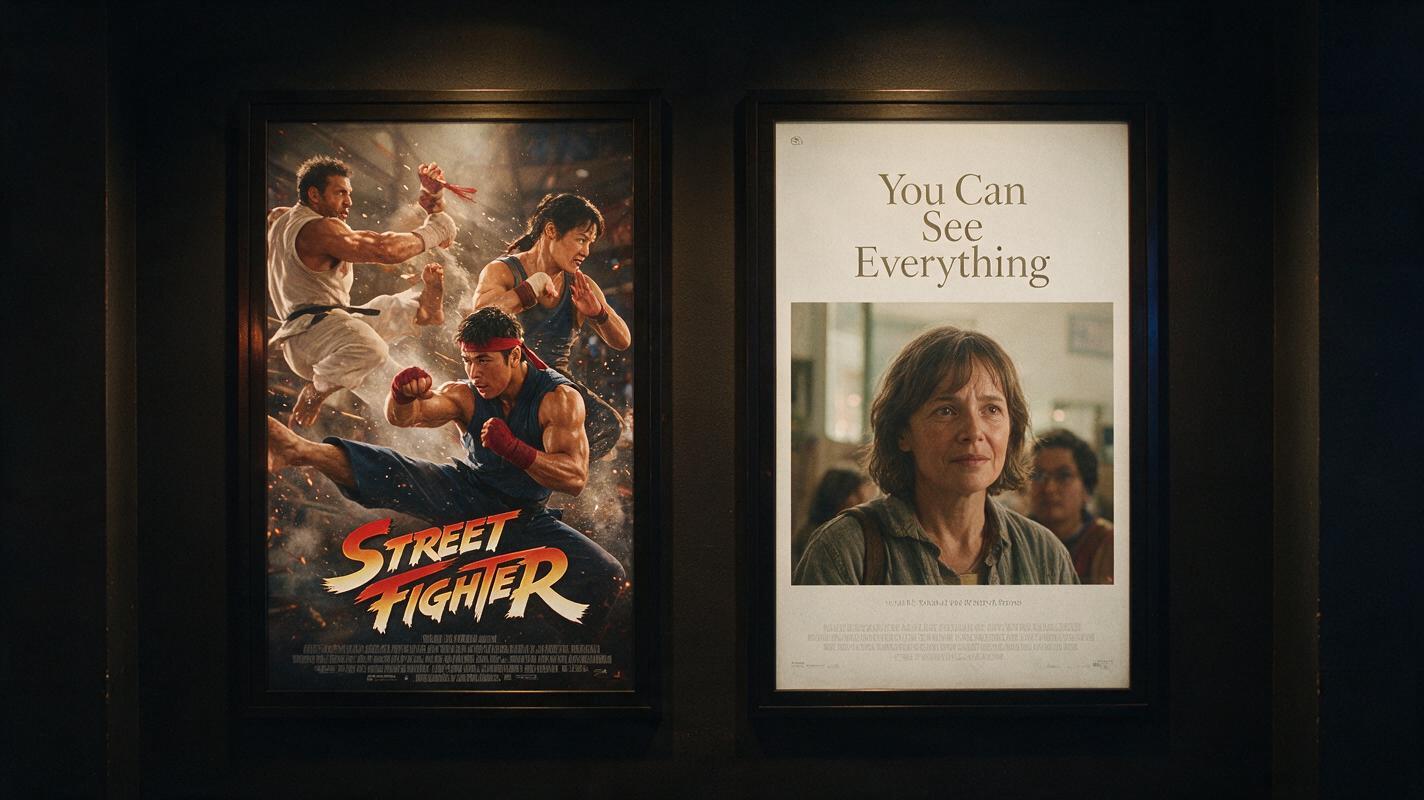
The latest North American weekend box office results have delivered both an expected franchise win and a shocking documentary breakout. Paramount’s Street Fighter claimed the number one spot with $31 million in ticket sales, marking a strong opening for the video game adaptation.
Far more notable, however, is A24’s Elizabeth Holmes documentary You Can See Everything, which shocked industry analysts with a $15 million opening across 855 theaters. The film, directed by Nathan Fielder and Lance Oppenheim, was shot in secret over three years, with no advance press or public announcements before its release.
The doc’s opening includes over 2,000 sold-out shows and a rare 99% fresh score on Rotten Tomatoes, making it the biggest non-music documentary opening in North America over the past 20 years. The limited theater footprint makes the per-screen average even more impressive, with demand far outpacing initial expectations for the true-crime tech documentary.
Why You Can See Everything Is a Box Office Anomaly
Most documentary openings rely on months of marketing, festival buzz, and wide release strategies to drive ticket sales. You Can See Everything flipped that playbook entirely, leaning into secrecy and word of mouth to build anticipation before its launch.
The film’s subject matter — the rise and fall of Theranos founder Elizabeth Holmes — already has a built-in audience of true crime fans, tech industry followers, and viewers fascinated by high-stakes corporate scandals. But the secret filming angle added a layer of exclusivity that turned casual interest into must-see urgency.
A24’s targeted distribution strategy also played a role. By opening in 855 theaters rather than a wide 3,000+ screen release, the studio created a sense of scarcity that drove sold-out shows and social media buzz, which in turn fueled more ticket sales as the weekend progressed. The 99% critic score acted as a social proof stamp, convincing hesitant viewers that the film was worth their time and money.
In contrast, Street Fighter’s $31 million win is a more predictable result for a known franchise with a decades-long fan base. The video game IP has a built-in global audience, and Paramount’s marketing campaign leaned heavily on nostalgia and action set pieces to draw viewers.
What This Means for Independent AI Content Creators
This weekend’s box office results hold important lessons for independent creators working with AI tools, especially those building documentary or narrative content without big studio budgets. The biggest takeaway is that you don’t need a massive franchise IP or a nine-figure marketing budget to find an engaged audience — niche, high-quality content with a unique hook can outperform expectations by a wide margin.
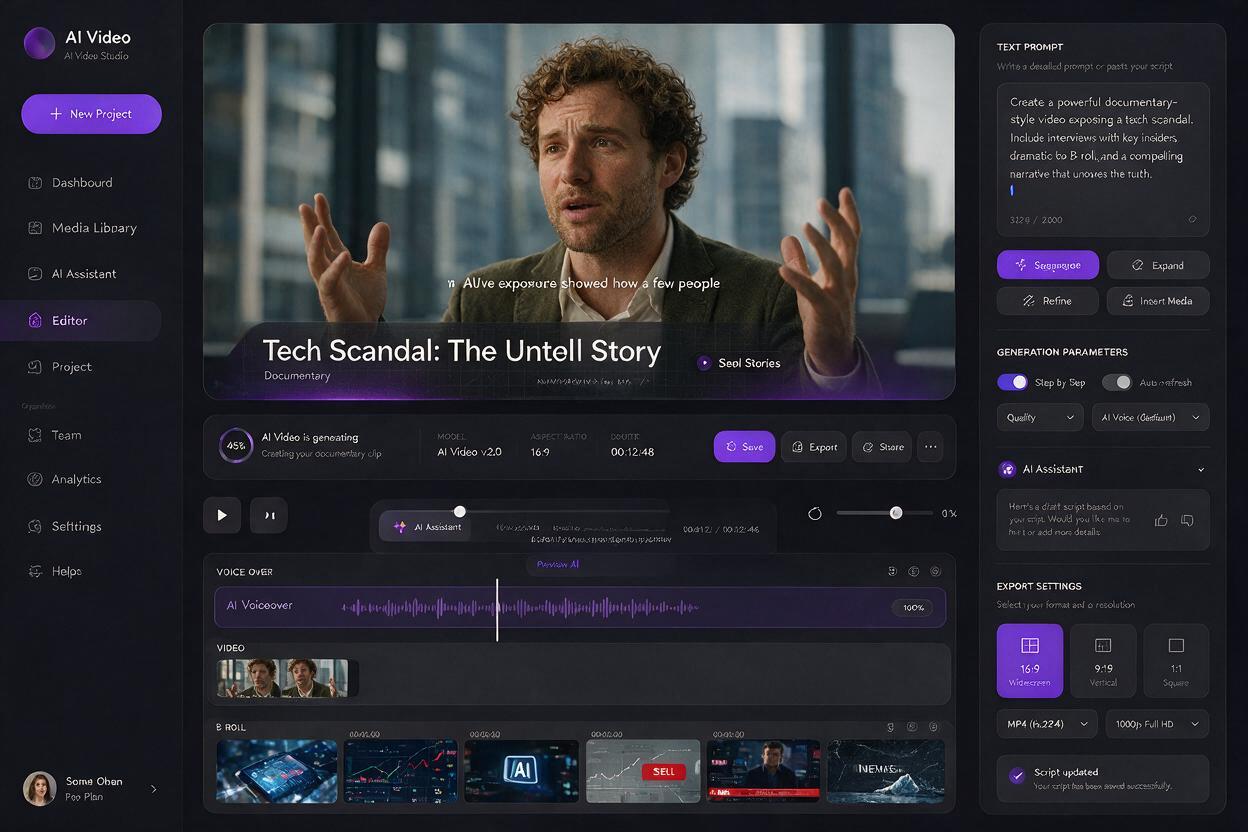
For creators working on documentary projects, the success of You Can See Everything highlights the power of specificity and access. Even if you don’t have three years of secret footage, focusing on a narrow, passionate audience segment and delivering a well-crafted story can drive organic sharing and viewership. text to video tools make it easier than ever to turn research, archival clips, and voiceover into polished documentary segments without a full production crew.
Narrative creators can also learn from the contrast between Street Fighter’s franchise win and the doc’s breakout success. While established IP has built-in demand, original stories with a clear, targeted audience can still break through — especially when they lean into authenticity and word of mouth. ai short drama platforms let independent creators test original concepts quickly, iterate based on audience feedback, and build a following without waiting for studio approval.
Actionable Lessons for AI Film and Doc Creators
- Niche specificity beats generic broad appeal: You Can See Everything targeted a narrow intersection of true crime and tech audiences, and that focus drove intense word of mouth. For AI creators, picking a clear niche — whether it’s tech documentaries, historical shorts, or character-driven dramas — makes it easier to reach viewers who will actively seek out your content.
- Quality and social proof drive long-term growth: The film’s 99% Rotten Tomatoes score turned casual curiosity into sold-out shows. For AI content, investing in tight scripting, clear pacing, and polished production value (even with AI tools) pays off in higher completion rates, more shares, and better audience retention.
- Exclusivity and mystery build buzz: The three-year secret filming angle made the doc feel like an event rather than just another release. Creators can use similar strategies for AI projects, like teasing behind-the-scenes process, dropping surprise releases, or building serialized stories that leave viewers wanting more.
- Franchise IP has built-in demand, but original ideas win with unique angles: Street Fighter’s win shows the power of existing fan bases, but you don’t need a licensed IP to succeed. Original stories that tap into underserved audience interests can perform just as well — or better — when executed well.
Whether you’re developing a documentary series, a short drama, or a full-length ai film, MagicBoat’s suite of AI creation tools gives you everything you need to turn your idea into polished, publishable content. You can experiment with different formats, test audience reactions, and iterate quickly without the costs and delays of traditional production. try these models for free today and see how easy it is to bring your creative vision to life.
Key Takeaways
- Paramount’s Street Fighter won the North American weekend box office with $31 million, driven by strong franchise IP and action appeal.
- A24’s You Can See Everything documentary shocked the industry with a $15 million opening, becoming the biggest non-music doc opening in 20 years despite a limited theater footprint and no advance marketing.
- The doc’s success proves that niche, high-quality content with a unique hook can outperform expectations, even without big budgets or established IP.
- Independent AI creators can apply these lessons by focusing on specific audience segments, prioritizing quality, and using AI tools to bring their ideas to life quickly and affordably.
Keywords
street fighter box office, you can see everything documentary, elizabeth holmes doc, a24 box office, ai video, ai content creation, text to video, ai film