James Tynion IV’s Tiny Onion Signs Blumhouse Atomic First-Look Deal
Comic creator James Tynion IV’s studio Tiny Onion has signed a first-look deal with Blumhouse Atomic, the horror label run by Jason Blum and James Wan. The partnership launches with an Exquisite Corpses film and animation adaptation, plus a Something Is Killing the Children feature in development, shifting from traditional one-off comic rights sales to ongoing creative involvement and backend participation. The deal offers clear, actionable lessons for independent AI content creators building sustainable low-cost genre content pipelines.
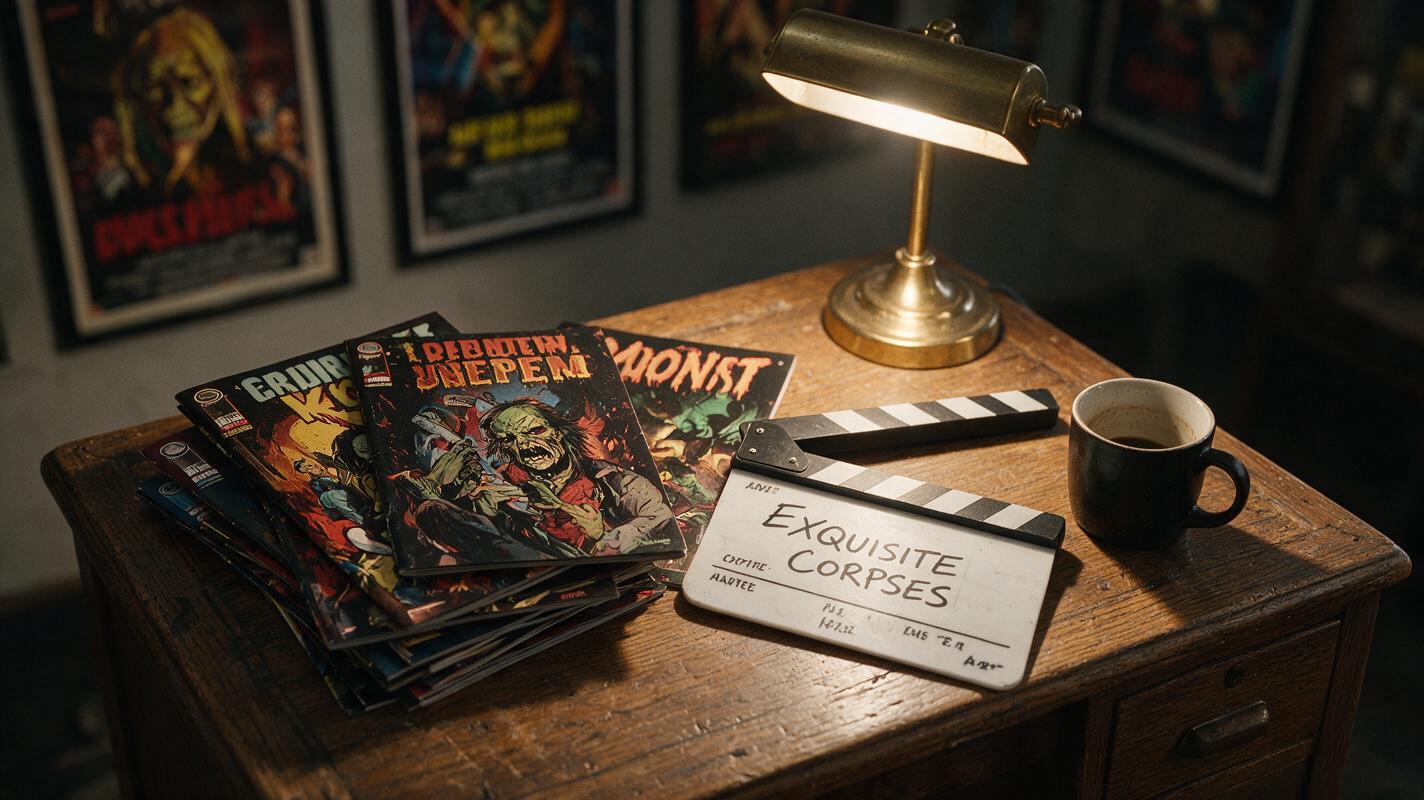
Table of contents
What the Tiny Onion x Blumhouse Atomic Deal Entails
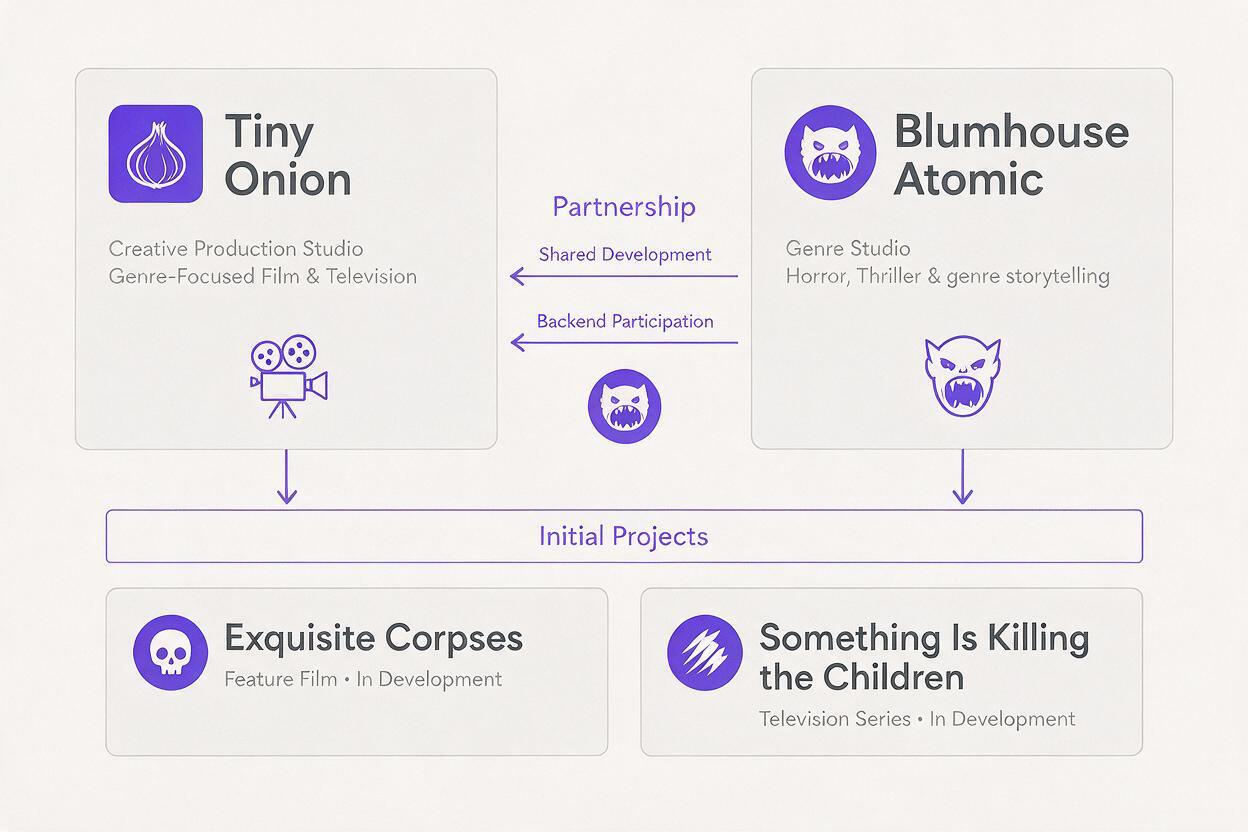
Comic creator James Tynion IV’s studio Tiny Onion has signed a first-look deal with Blumhouse Atomic, the horror-focused label run by Jason Blum and James Wan. The partnership marks a new structure for comic-to-screen adaptations, with shared creative input and financial alignment replacing the traditional flat-fee rights sale model.
The first announced project under the deal is a combined film and animation adaptation of Exquisite Corpses, developed alongside Lyrical Media. A feature film adaptation of Tynion’s hit horror comic Something Is Killing the Children is also moving ahead as part of the initial development slate.
For Tiny Onion, the deal means ongoing development involvement in all adapted projects, plus backend participation in successful releases — a far cry from the standard model where creators sell full rights upfront and have little input after the sale. For Blumhouse Atomic, the partnership provides a steady pipeline of pre-vetted, low-cost horror IP with existing dedicated fan bases, aligning with the label’s long track record of high-margin modest-budget genre films.
Importantly, a first-look agreement is not a formal greenlight for any individual project. Actual production output will depend entirely on Blumhouse’s overall production slate, project priorities, and financing decisions, with no guaranteed number of releases per year.
Why This Deal Marks a Shift for Genre Content
For decades, comic creators seeking film or TV adaptations have operated under a largely one-sided model: a studio purchases the rights to a property, the creator may receive a small consulting fee or cameo appearance, but the vast majority of creative control and financial upside stays with the studio. Even successful creators often see little long-term benefit from hit adaptations of their work.
The Tiny Onion x Blumhouse Atomic deal flips that dynamic, framing the comic studio as an ongoing creative partner rather than a one-off IP supplier. This structure works particularly well for horror and genre content, where built-in fan bases from indie comics can de-risk early development, and modest production budgets mean even mid-tier hits can deliver strong returns.
Blumhouse has built its entire brand on this low-cost, high-volume approach, and partnering with a prolific comic creator like Tynion — whose work already has a loyal, engaged horror audience — gives the label a faster path to market with less upfront development risk. For creators, the model proves that it’s possible to retain creative control and financial upside while still accessing studio-level distribution and resources.
Lessons for Independent AI Content Creators
The same logic behind this studio-level partnership applies directly to independent creators working with AI tools. The core insight — building a steady pipeline of low-cost, niche genre content while retaining creative and financial control — is even more accessible for creators using ai video generator tools to produce short-form content.
Where traditional film and TV development requires millions in upfront financing and large creative teams, AI tools let individual creators or small teams test concepts, produce finished shorts, and build an audience with minimal overhead. This means creators don’t have to sell off full rights to their best ideas to get them made; instead, they can build their own slate of content, iterate based on real audience feedback, and retain upside as their IP grows.
For creators focused on horror, thriller, and other high-demand genre niches, this is a particularly powerful moment. Platform audiences crave consistent, serialized genre content, and ai short drama tools make it possible to produce multi-episode series on a fraction of a traditional production budget. The same pipeline strategy that works for Blumhouse can work for individual creators, just on a smaller scale.

Actionable Ways to Apply This Model to Your Work
You don’t need a studio deal to build a sustainable, IP-focused content business. These practical takeaways draw directly from the Tiny Onion x Blumhouse partnership, adapted for creators working with AI tools:
- Build a small, consistent slate instead of chasing one-off hits. Blumhouse’s success comes from a steady stream of modestly budgeted projects, not just occasional blockbusters. For AI creators, this means focusing on 2-3 recurring series or short concepts rather than pouring all your time into a single viral hopeful. Use text to video tools to test new concepts quickly and cheaply.
- Retain creative and financial control where possible. The Tiny Onion deal moves beyond flat-fee rights sales to ongoing participation. As an independent creator, you can retain full ownership of your IP by publishing directly to audiences, using AI to keep production costs low enough that you don’t need to give up equity or rights to get funding.
- Lean into proven niche genres. Horror is a consistently high-performing category with low production barriers and a loyal global audience. Start with short, self-contained horror shorts to find your audience, then expand your most popular ideas into longer series or bigger projects.
- Treat your content as a pipeline, not individual projects. Blumhouse’s first-look deal gives it a steady supply of IP to draw from. You can build your own pipeline by developing a roster of connected characters, settings, or concepts that can be reused across multiple shorts, series, or even longer-form content over time, positioning you for distribution deals with major streamers including Netflix as your audience grows.
Key Takeaways
- James Tynion IV’s Tiny Onion has signed a first-look deal with Blumhouse Atomic, with Exquisite Corpses and Something Is Killing the Children as the first projects in development.
- The deal shifts comic creators from one-off rights sales to ongoing creative partnerships with backend participation, a model that benefits both creators and studios when aligned on niche genre content.
- Independent AI creators can apply the same low-cost, pipeline-focused strategy to build sustainable genre content businesses without giving up IP ownership.
- AI video and short drama tools make it easier than ever for small teams to test concepts, build audiences, and retain full control over their creative work. try these models for free
Keywords
ai content creation, ai film, ai video, ai short drama, text to video, horror film, tiny onion, blumhouse atomic