TSMC Approves Up to $1B for OpenAI and Anthropic Stakes
TSMC’s board of directors has approved an investment of up to $1 billion to acquire stakes in OpenAI and Anthropic, marking a significant alignment between the global semiconductor leader and two top frontier AI labs. While full details of the deal remain undisclosed, the move could have long-term implications for model availability, pricing, and industry competition for AI content creators. Multi-model platforms like MagicBoat help creators build resilient workflows by offering access to a diverse range of AI tools in one place.
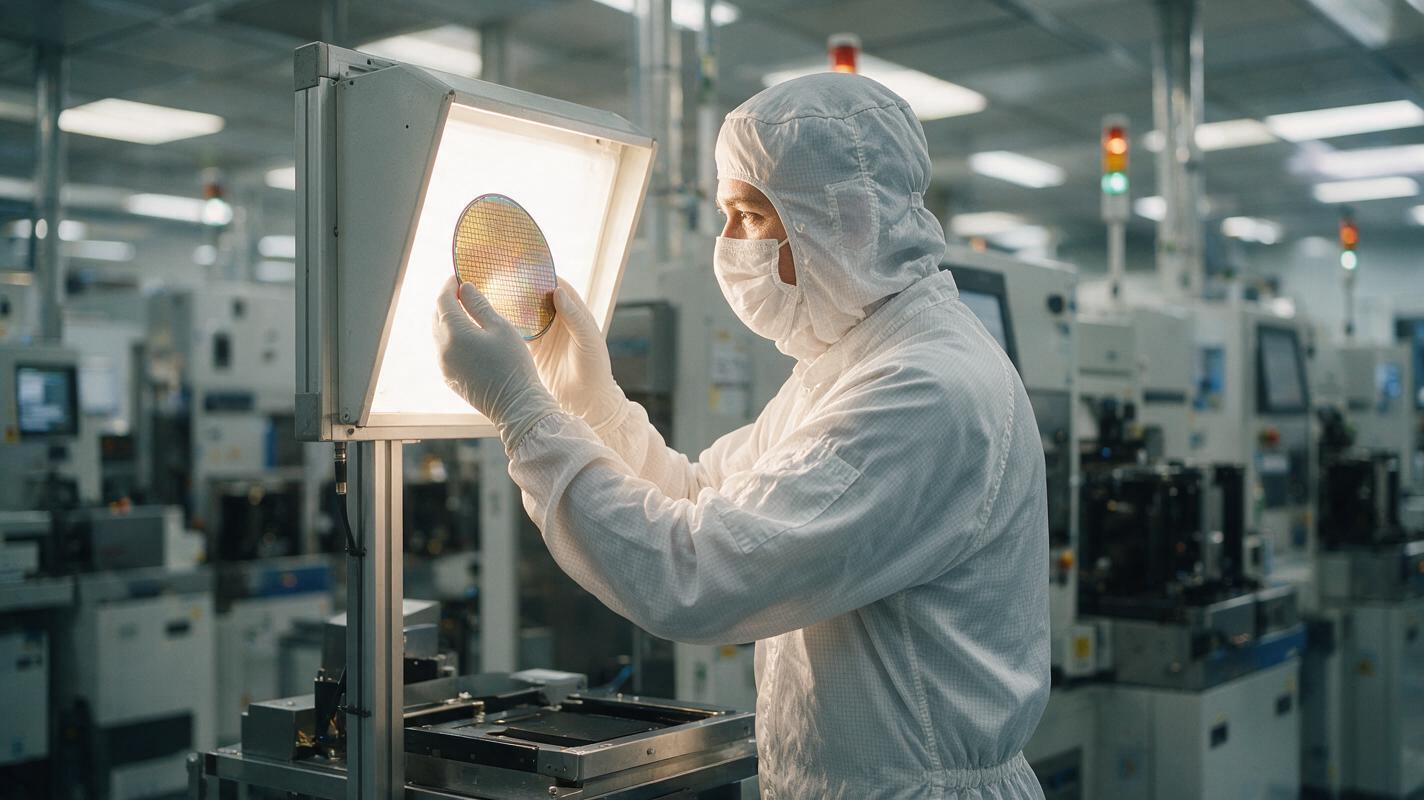
Table of contents
TSMC Board Approves Up to $1B for OpenAI and Anthropic Stakes
On November 13, 2026, TSMC’s board of directors approved an investment of up to $1 billion to acquire stakes in two leading frontier AI labs: OpenAI and Anthropic. The approval marks one of the most high-profile crossovers between the semiconductor industry and the generative AI model market to date, tying the world’s most advanced chip manufacturer directly to two of the biggest names in AI development.
Available details about the investment remain limited. The announcement does not specify how the $1 billion allocation will be split between OpenAI and Anthropic, when the investment is expected to close, what type of stakes TSMC will receive, or whether the deal includes any governance rights, supply chain commitments, or strategic collaboration terms. No additional context about TSMC’s long-term objectives for the investments has been released alongside the board approval.

Broader Context for the AI Ecosystem
The announcement comes amid a period of intense competition and capital flow across the AI supply chain, from chip design and manufacturing to model development and end-user applications. Semiconductor capacity has emerged as one of the most critical bottlenecks for frontier AI labs, which rely on cutting-edge chips to train and deploy large-scale models. TSMC’s position as the dominant manufacturer of advanced process nodes makes it a central player in the global AI ecosystem, with its production schedules and capacity allocations directly impacting the pace of AI progress across the industry.
For AI labs, securing long-term access to chip manufacturing capacity has become a key strategic priority, as shortages can delay model training, push up inference costs, and limit availability for end users. Direct investment from a major chip manufacturer could provide both OpenAI and Anthropic with greater visibility into future chip supply, as well as potential input into chip design optimizations tailored to their specific model architectures. At the same time, the investment gives TSMC a direct stake in the success of two of its largest AI customers, aligning its business incentives more closely with the trajectory of frontier model development.
Potential Implications for AI Content Creators
While the full details of the investment are still unknown, the announcement has several potential implications for independent content creators, marketing teams, and small studios that rely on generative AI tools for their work.
One possible outcome is greater stability in model availability and pricing over the long term. Closer alignment between chip manufacturing and model development could lead to more efficient inference workflows, reduced infrastructure costs, and more consistent access to popular models — a major benefit for creators who depend on reliable AI tools to meet project deadlines. For creators using tools like an ai video generator or ai image generator, more stable infrastructure could mean faster generation times, fewer service disruptions, and more predictable costs for high-volume projects.
Another potential consideration is the risk of increased ecosystem consolidation. If strategic ties between chip manufacturers and a small number of top model providers deepen, smaller or independent model developers may face higher barriers to accessing cutting-edge chip capacity, reducing the diversity of available AI tools over time. For creators, a less competitive market could lead to fewer feature innovations, less pricing pressure, and more limited choices when selecting tools for specific creative tasks.
It is important to note that these are potential implications, not guaranteed outcomes. The actual impact of the investment will depend on a range of factors, including the structure of the deal, the scope of any strategic collaboration, and the evolving competitive landscape across the AI industry.

How Multi-Model Platforms Support Creative Resilience
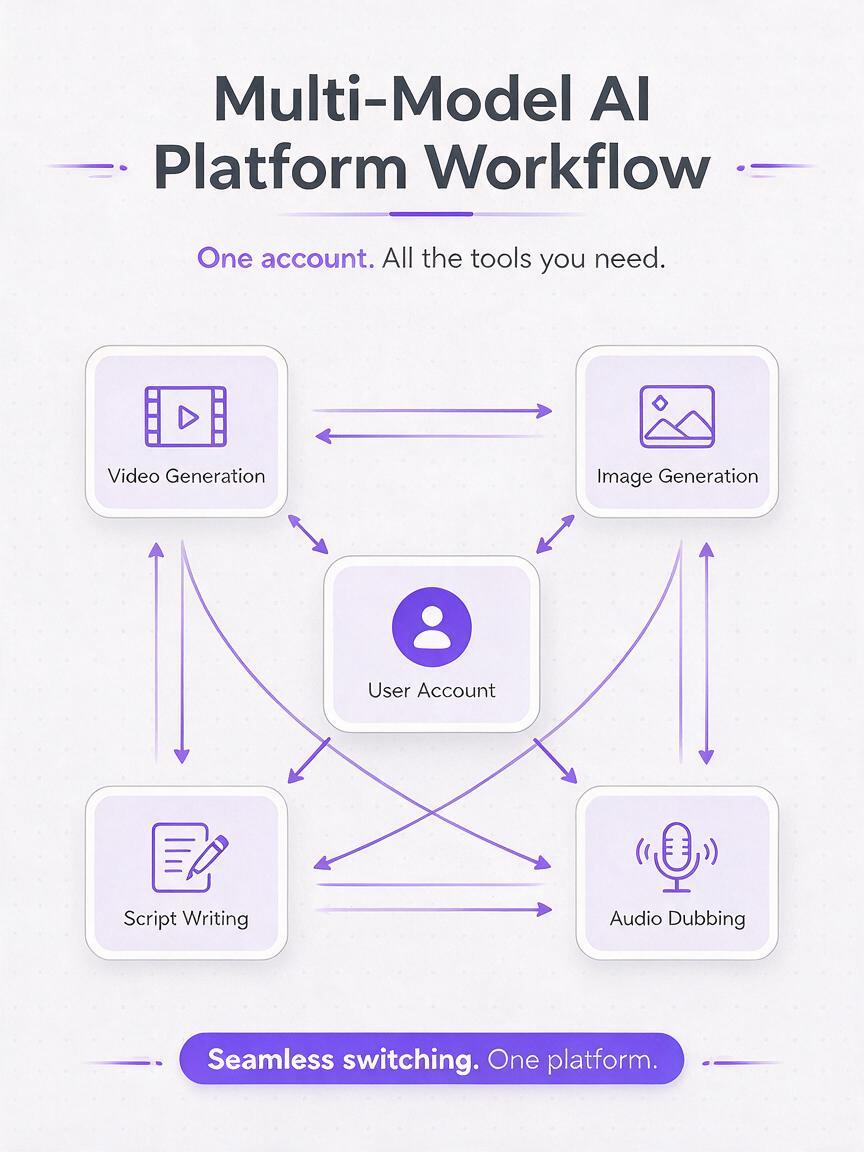
Against a backdrop of ongoing shifts in the AI industry — from mergers and investments to pricing changes and feature updates — building a resilient creative workflow means avoiding overreliance on any single model or provider. A multi-model platform gives creators access to a wide range of AI tools from different providers, all under one account, making it easy to switch between models based on project needs, cost, and availability.
For example, if a favorite text-to-image model experiences a price hike or a service disruption, creators can quickly test and switch to an alternative model without having to set up new accounts, learn new interfaces, or adjust their entire workflow. This flexibility is especially valuable for small teams and independent creators who may not have the budget or resources to manage multiple separate AI tool subscriptions.
MagicBoat offers access to a curated suite of generative AI tools for every stage of the creative process, from script writing and storyboarding to image generation, video production, and audio dubbing. Whether you are working on a short social media clip, a marketing video, or a full short film, you can compare outputs from different models, adjust settings on the fly, and pick the tool that best fits your specific project requirements — all without leaving the platform.
If you want to explore how a multi-model platform can support your creative workflow, you can try these models for free to see which tools work best for your projects.
Key Takeaways
- TSMC’s board approved an investment of up to $1 billion for stakes in OpenAI and Anthropic on November 13, 2026.
- Full details of the investment — including the split between the two labs, timing, and strategic terms — have not been disclosed.
- The move signals deeper alignment between semiconductor manufacturing and frontier AI development, with potential implications for model availability, pricing, and industry competition.
- For content creators, building a workflow around a multi-model platform helps mitigate the risks of industry shifts, ensuring consistent access to the tools they need.
Keywords
tsmc openai anthropic stake, ai news, ai roundup, ai tools, ai video generator, frontier ai, semiconductor ai