US AI Stocks Enter Correction After Sharp Nov 16 Selloff
On November 16, 2026, U.S. AI stocks sold off sharply, pushing the Nasdaq Composite into correction territory more than 10% below its October 6 high, with semiconductor stocks leading declines across the sector. The pullback was driven by three key catalysts: a new BIS chip export rule, lingering fallout from Nvidia CEO Jensen Huang's resignation, and de-risking ahead of Nvidia's November 17 earnings report. For AI content creators, the volatility underscores the value of diversified, multi-model creative workflows that reduce reliance on any single provider.
Table of contents
The Nov 16 AI Stock Selloff: Full Details
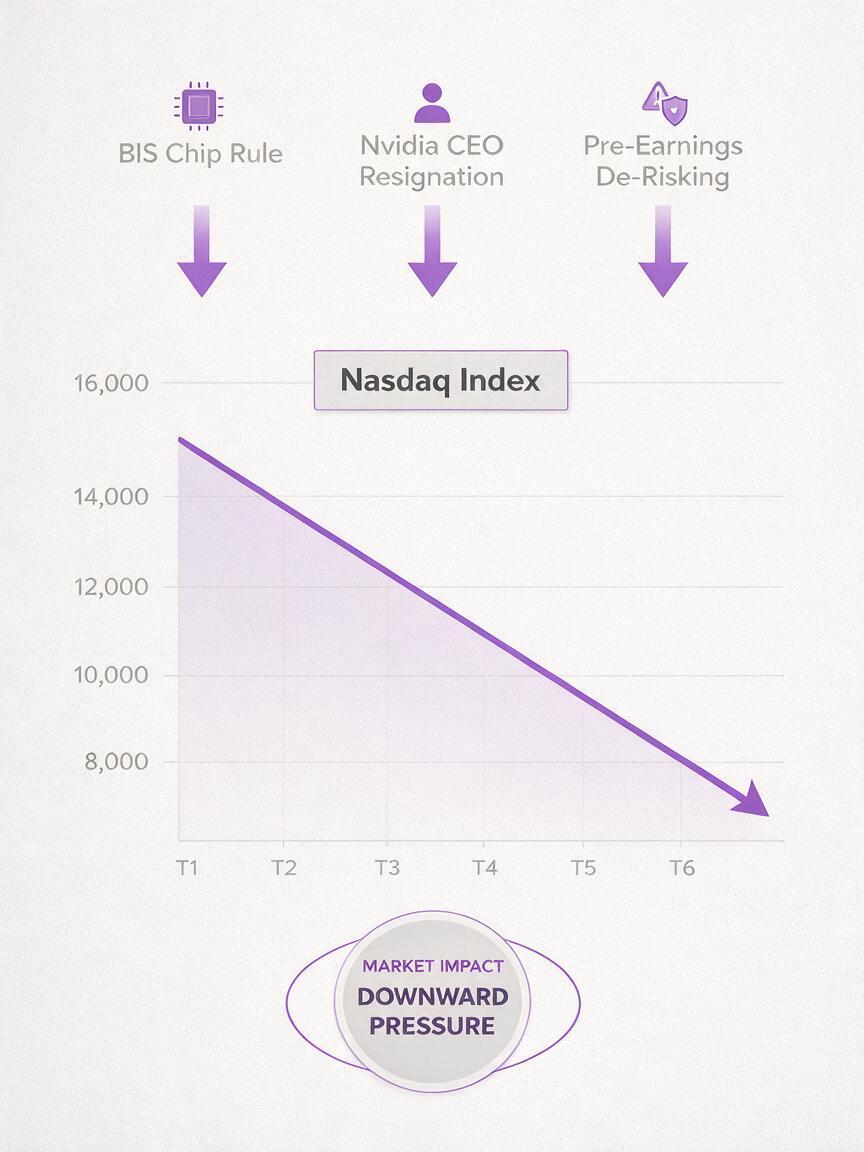
On November 16, 2026, U.S. AI and technology stocks sold off sharply, pushing the broader Nasdaq Composite into official correction territory. The Nasdaq fell 2.49% to close at 24,509.76, landing more than 10% below its October 6 closing high — the common threshold for a market correction.
The selloff hit AI and semiconductor names hardest. The Philadelphia Semiconductor Index slid 5.28% on the day, with all 30 of its components closing in the red. Major AI hardware and infrastructure stocks posted steep losses: Nvidia dropped 4.12% to $156.14, Micron fell 7.62%, Intel lost 7.02%, AMD declined 5.58%, and AI cloud provider CoreWeave fell 6.1%.
Broader market indexes also closed lower. The S&P 500 dropped 1.92%, and the Dow Jones Industrial Average fell 1.41%. Analysts point to three combined catalysts driving the sharp pullback across the AI sector.
Three Catalysts Driving the AI Stock Pullback
The selloff was not driven by a single event, but by a confluence of policy, leadership, and earnings-related factors that weighed on investor sentiment for AI-focused stocks.
New BIS Chip Export Rule
A newly issued interim final rule from the U.S. Commerce Department's Bureau of Industry and Security added fresh uncertainty to AI chip supply chains and export controls, weighing on semiconductor and AI infrastructure stocks early in the trading day. The rule marks the latest expansion of U.S. restrictions on advanced AI chip access, and investors are still assessing its long-term impact on sector revenue.
Lingering Fallout From Nvidia CEO Resignation
Investors continued to digest the surprise November 12 resignation of Nvidia co-founder and CEO Jensen Huang, who stepped down immediately after 33 years at the helm of the AI chip leader. The announcement had already sent Nvidia shares sharply lower in the prior week, and ongoing uncertainty about the company's leadership transition, permanent CEO search, and ongoing internal investigation kept pressure on the stock ahead of its earnings report. EVP and CFO Colette Kress is serving as interim CEO while the board conducts a search for a permanent replacement.
Pre-Earnings De-Risking Ahead of Nvidia's Q3 Report
The selloff was amplified by broad de-risking among investors ahead of Nvidia's third-quarter fiscal 2027 earnings report, scheduled for release after the market close on November 17. Nvidia has been the primary beneficiary of the AI boom, and its earnings results are widely seen as a bellwether for the entire AI sector. Investors pulled back on positions to avoid downside risk if the company missed revenue expectations or issued softer-than-expected guidance for future quarters.
What This Volatility Means for AI Content Creators
While stock market swings may feel distant from day-to-day creative work, the AI tools that many creators rely on are deeply tied to the same hardware and infrastructure ecosystem driving these market moves. Frontier AI models for video, image, and text generation run on advanced semiconductor hardware, and shifts in supply chains, export rules, or provider leadership can ripple into changes in model access, pricing, and feature rollouts over time.
For creators who build content with an ai video generator or an ai image generator for concept art, overreliance on a single model provider or hardware ecosystem can introduce unexpected risk to production schedules and workflow stability. A single provider outage, price hike, or feature cut can derail projects that are built exclusively around that one tool.
This volatility also highlights the value of flexible ai workflow setups that can adapt to changes in the AI landscape without requiring a full overhaul of your creative process. Tools that support ai automation across multiple models let you shift between providers as needed, keeping your projects on track even when market or policy shifts affect individual AI companies.
Building Resilient Creative AI Workflows
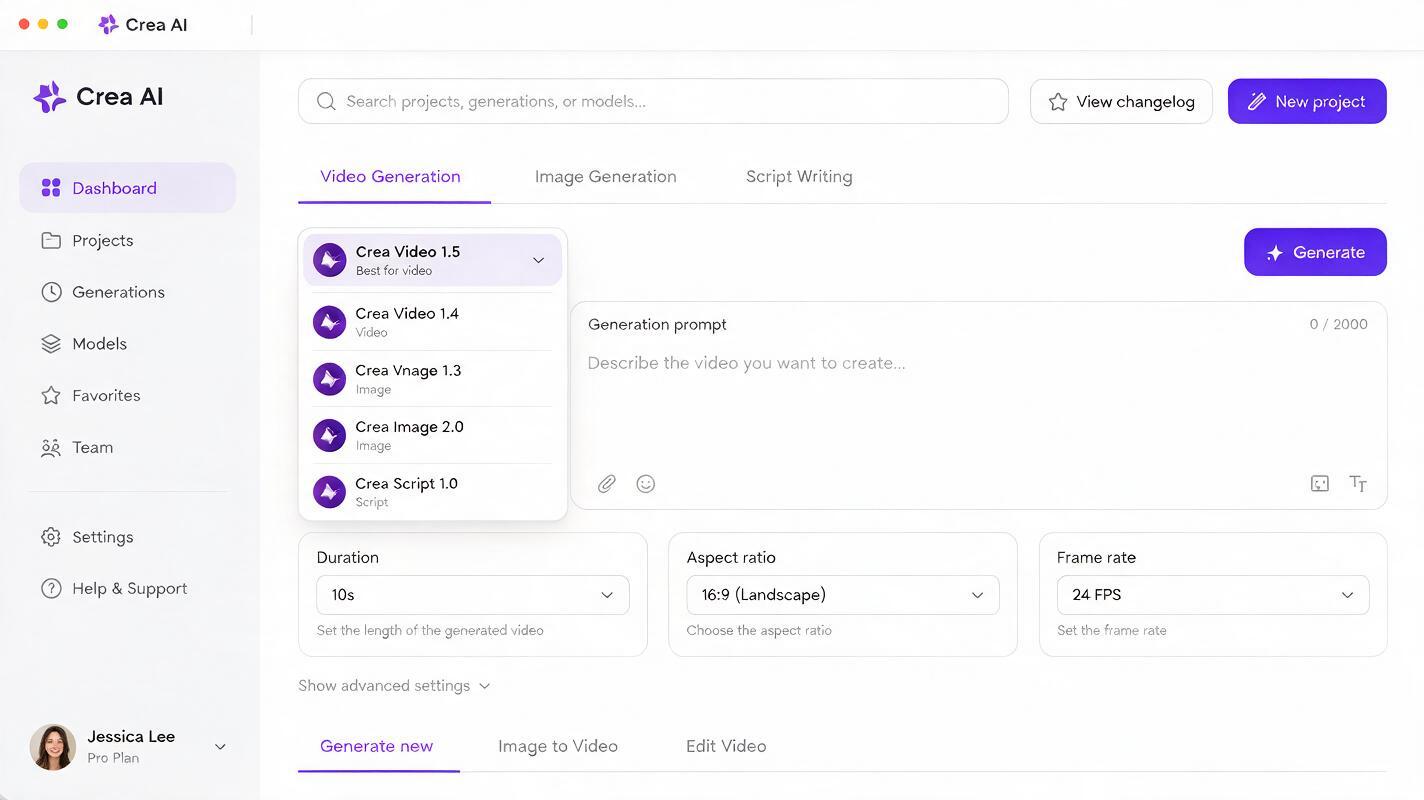
The best defense against AI sector volatility is a diversified creative workflow that doesn't depend on a single model or provider. Multi-model AI platforms give you access to a wide range of tools for video, image, audio, and script creation all in one place, so you can switch between models if one provider experiences downtime, raises prices, or changes its feature set.
MagicBoat is one such platform, with a unified dashboard that brings together leading AI creative tools under a single account. You don't have to manage multiple subscriptions, learn separate interfaces, or worry about vendor lock-in — you can pick the best model for each part of your project and adapt as the AI landscape evolves.
If you're looking to build a more flexible, resilient creative setup, you can try these models for free to see how a multi-model workflow fits your creative process.
Key Takeaways
- The U.S. Nasdaq entered correction territory on November 16, 2026, with AI and semiconductor stocks leading the broad selloff.
- Three key catalysts drove the decline: a new BIS chip export rule, lingering fallout from Nvidia CEO Jensen Huang's resignation, and pre-earnings de-risking ahead of Nvidia's Q3 report.
- AI content creators face indirect risk from sector volatility, as changes to hardware supply chains and provider stability can affect model access, pricing, and features.
- Building a diversified, multi-model AI workflow reduces reliance on any single provider and helps keep creative projects on track during market or policy shifts.
Keywords
us ai stocks, nasdaq correction, nvidia selloff, bis chip rule, ai workflow, ai automation, ai video workflow