US AI Stocks Rout: Nasdaq Drops 2.49%, Chip Index Falls 5.28%
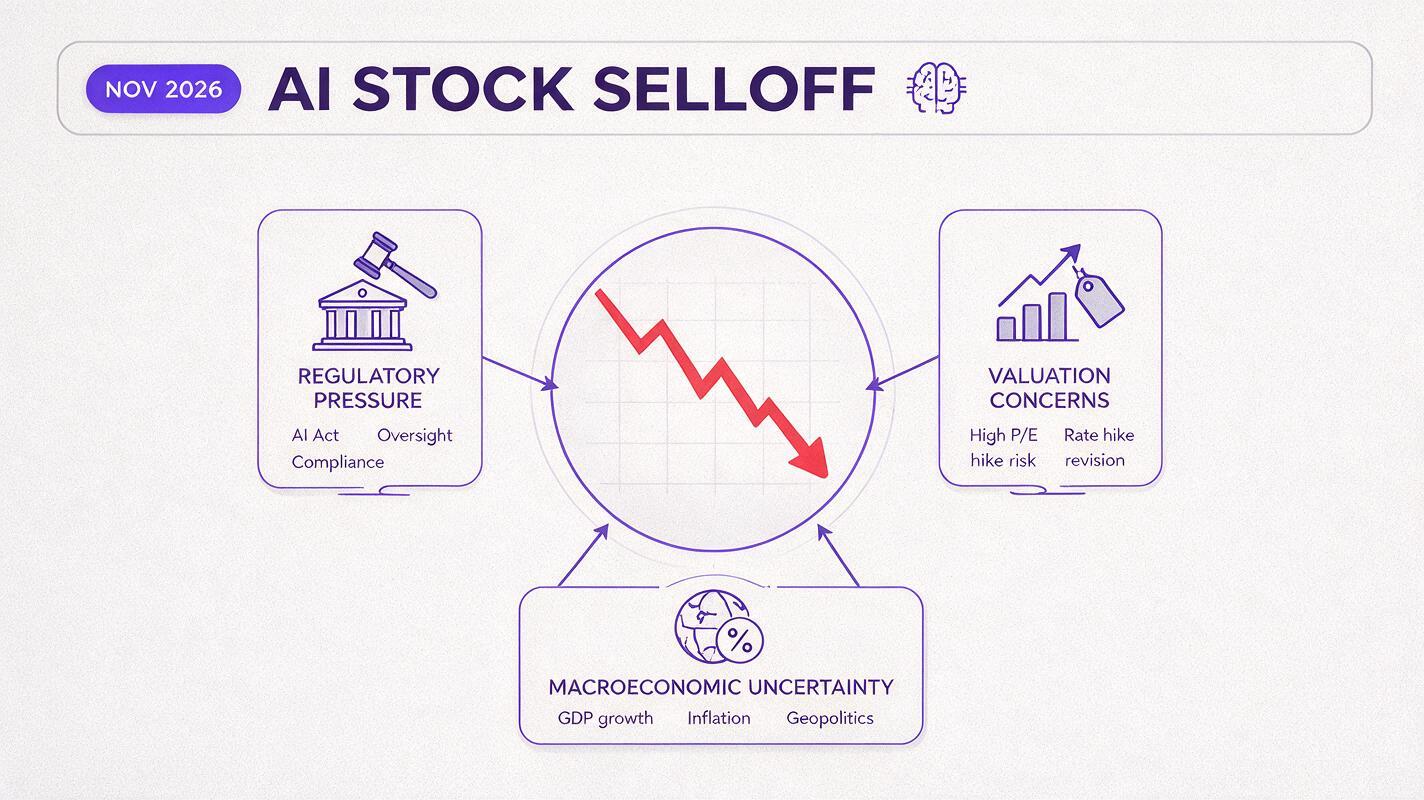
On November 17, 2026, US AI stocks suffered a sharp selloff, with the Nasdaq Composite falling 2.49% and the US chip index dropping 5.28% amid regulatory and valuation pressures. The market volatility raises questions about near-term AI tool pricing and availability, highlighting risks for creators who rely on single AI providers. A diversified, multi-model platform approach can help insulate creative workflows from vendor-related disruptions.

Table of contents
US AI Stocks Suffer Sharp Selloff on November 17
On November 17, 2026, US equities tied to artificial intelligence posted steep losses in a broad market selloff that hit the tech sector particularly hard. The Nasdaq Composite fell 2.49% for the day, while the US chip index dropped 5.28%, marking one of the sharpest single-day declines for AI-related stocks in recent months.
The rout comes amid a wave of shifts in the global AI landscape, including new regulatory moves and shifting investor sentiment around AI sector valuations. Same-day news of the Bank for International Settlements closing a cloud-compute loophole added to global market pressure, with Asian markets also tumbling in response to the tighter oversight proposal.
The selloff swept across both semiconductor makers and AI software companies, as investors reassessed near-term growth expectations and potential regulatory headwinds for the entire AI ecosystem.
What’s Driving the Broad AI Stock Decline
Several factors converged to trigger the November 17 selloff. Regulatory concerns have mounted steadily in recent months, with policymakers around the world weighing new rules for AI development, cross-border cloud compute access, and model safety protocols. The BIS move to close the cloud-compute loophole, which would tighten oversight of how AI firms access compute resources across national borders, added fresh uncertainty about future growth trajectories for companies that rely on global infrastructure networks.
Valuation pressures have also built as AI companies have ramped up spending on compute infrastructure and cutting-edge research, even as questions linger about near-term monetization for some segments of the market. Chipmakers, which have been among the biggest beneficiaries of the AI boom, saw particularly sharp losses as investors weighed potential demand slowdowns and increasing competition in the advanced semiconductor space.
The pullback also follows a period of record gains for AI stocks, with many sector names more than doubling in value over the past year on the back of surging demand for AI models and supporting infrastructure. The November 17 rout may reflect a broader market correction as investors rotate out of high-growth, high-valuation names amid wider macroeconomic uncertainty.
What This Means for AI Tool Development
For AI tool developers and model providers, the stock rout could translate to tighter capital conditions and a greater focus on near-term profitability over long-term experimental research bets. Publicly traded AI firms may slow hiring, trim lower-priority projects, or adjust their product roadmaps to protect margins, while private startups could face longer fundraising timelines and lower valuations in the coming quarters.
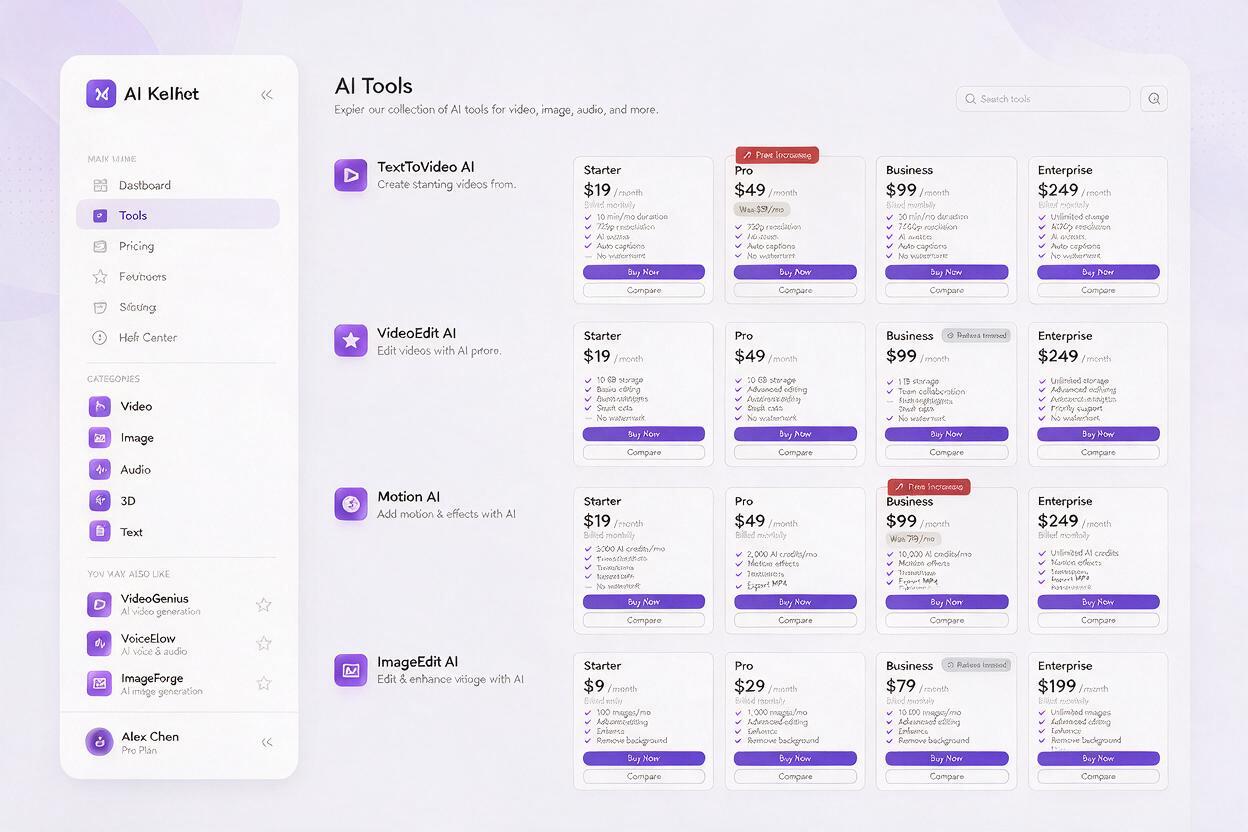
These shifts could have direct ripple effects on the availability and pricing of AI tools for end users. Some providers may raise API prices, reduce free tier access limits, or deprioritize consumer-facing features in favor of higher-margin enterprise contracts. For creators who rely on specific AI models for their daily work, this introduces new risks of unexpected service changes, price hikes, or even discontinued tools that break existing workflows.
At the same time, the pressure to demonstrate tangible, bottom-line value could accelerate the rollout of practical, creator-focused features that drive real efficiency gains. AI tools that can prove clear ROI for content creators, such as ai video generator platforms that cut production timelines from days to hours, are likely to remain a top priority for developers even amid tighter budgets.
Implications for Content Creators
For content creators who integrate AI tools into their regular workflows, the market volatility serves as an important reminder of the risks of relying on a single AI provider or model. A company facing financial pressure or shifting strategic priorities may change its pricing structure, reduce service quality, or shutter a product entirely, leaving creators scrambling to find alternatives and rebuild their production pipelines.
This risk is especially pronounced for creators who build their content workflows around niche or specialized tools, such as image to video models that generate dynamic footage from static reference images. If a go-to tool suddenly becomes unavailable or too expensive, creators can face costly delays, missed deadlines, and lost productivity as they test and adapt to new solutions.
The good news is that a diversified, multi-model approach to AI tooling can insulate creators from these kinds of disruptions. By using a platform that gives access to multiple models and tools under a single account, creators can switch between providers seamlessly if one service changes or becomes unavailable, without having to rework their entire workflow or learn entirely new software.

How MagicBoat Supports Resilient Creative Workflows
MagicBoat is a unified AI creation platform that brings together a wide range of generative AI tools for video, image, audio, and script creation, all in one intuitive interface. Instead of managing separate accounts, subscriptions, and billing for dozens of different AI tools, creators can access everything they need from a single dashboard, with consistent pricing and reliable uptime.
The platform’s multi-model architecture means that if one model provider experiences service disruptions, price changes, or feature cuts, creators can simply switch to an alternative model with the same core capabilities, without missing a beat on their projects. This flexibility is critical for maintaining consistent output and meeting tight project deadlines, even when the broader AI market is experiencing volatility or uncertainty.
Whether you’re working on short-form social media content, long-form video projects, marketing materials, or creative storytelling, MagicBoat has the tools you need to bring your ideas to life efficiently. try these models for free and see how a unified, multi-model AI platform can make your creative workflow more resilient and cost-effective.
Key Takeaways
- US AI stocks sold off sharply on November 17, 2026, with the Nasdaq falling 2.49% and the chip index dropping 5.28% amid regulatory and valuation pressures.
- The market volatility could lead to changes in AI tool pricing, availability, and feature development as companies shift focus to near-term profitability.
- Creators who rely on a single AI provider face increased risk of workflow disruptions from unexpected service changes or price hikes.
- A multi-model, unified AI platform like MagicBoat helps creators build resilient workflows that aren’t tied to any single vendor’s financial or strategic fortunes.
Keywords
ai news, ai roundup, ai stocks, nasdaq, chip index, ai tools, ai video generator