US Stocks Fall Fourth Straight Session; Nvidia Rises 4% After Earnings
U.S. stocks posted their fourth consecutive daily decline on November 17, 2026, with the Nasdaq touching a roughly six-month intraday low before paring losses. Nvidia bucked the trend with a more than 4% after-hours gain following its quarterly earnings release, signaling stronger-than-feared AI infrastructure demand for creators relying on cloud-based AI tools.
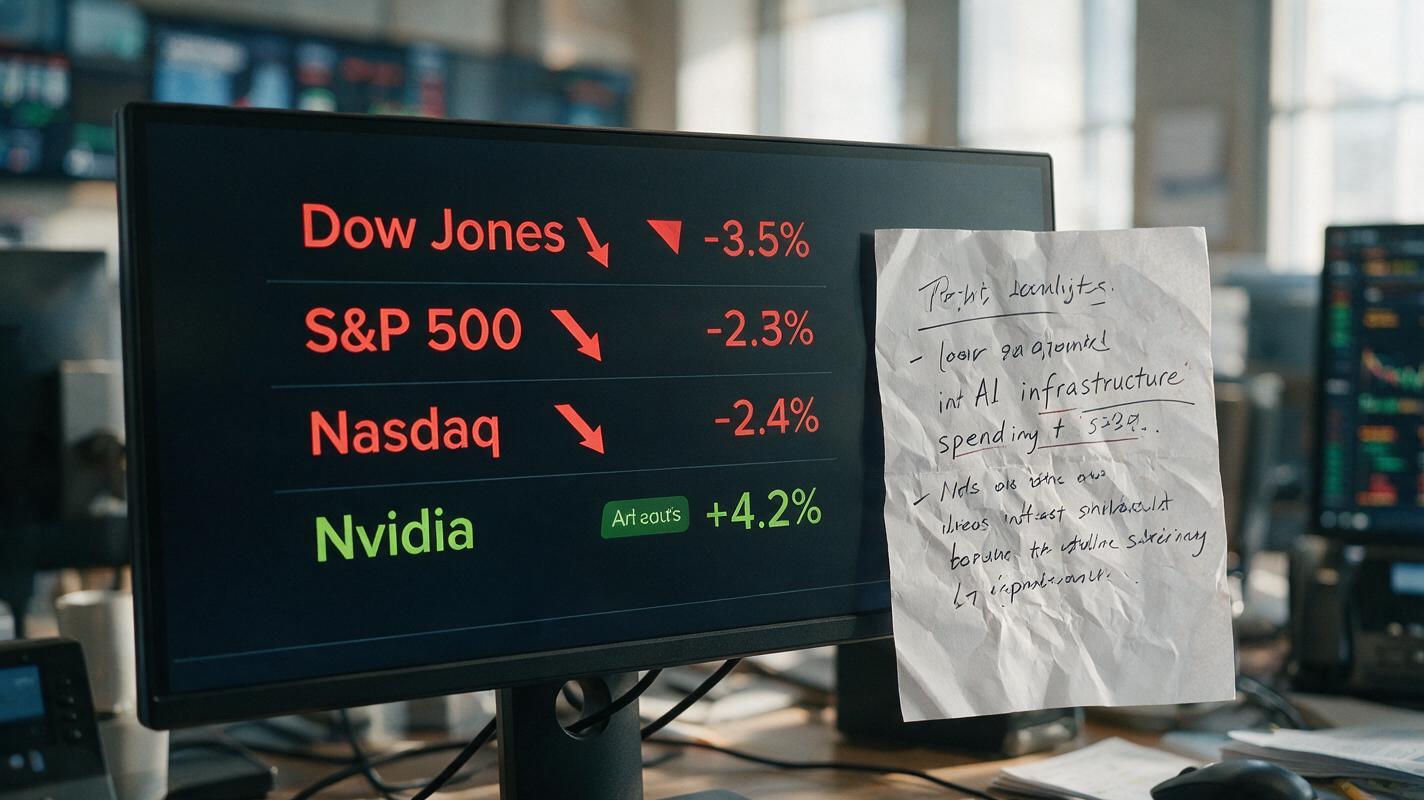
Table of contents
What Happened in the November 17 US Stock Session?
U.S. stocks fell across the board on November 17, 2026, marking the fourth straight daily decline for major indexes. The Dow Jones Industrial Average dropped 1.64% to 50,759.42, while the S&P 500 fell 1.03% to 7,340.53. The Nasdaq Composite declined 0.74% to 24,328.38, after touching a roughly six-month intraday low of 23,989.09 earlier in the session before paring some losses.
Bucking the broader downward trend, Nvidia rose more than 4% in after-hours trading following the release of its quarterly earnings report. The gain came after a week of steep losses for the chipmaker, driven by leadership uncertainty and new export regulatory headwinds that had weighed on the entire AI semiconductor sector.
Context of the Four-Day Losing Streak
The November 17 decline extended a sharp pullback that pushed the Nasdaq into correction territory earlier in the week, more than 10% below its October 6 closing high. The selloff had been fueled by a combination of factors, including a new U.S. Commerce Department rule closing cloud compute export loopholes for advanced AI chips, the unexpected resignation of Nvidia co-founder and CEO Jensen Huang, and widespread investor de-risking ahead of Nvidia’s earnings release.
While the Nasdaq recovered from its intraday low by the close, the session underscored ongoing volatility in AI-related equities as investors weigh regulatory risk, leadership shifts, and the long-term trajectory of AI infrastructure spending.
Nvidia’s After-Hours Earnings Reaction
Nvidia’s more than 4% after-hours gain suggested its quarterly results landed better than the lowered investor expectations that had driven the week’s selloff. The chipmaker is the dominant supplier of GPUs for AI training and inference, so its earnings are widely viewed as a barometer for overall AI infrastructure demand across cloud providers, startups, and enterprise customers.
The positive after-hours move offered a tentative reprieve for the AI sector, which had seen steep losses across semiconductor stocks, cloud infrastructure providers, and neocloud operators in the preceding sessions.
What This Means for AI Content Creators
For AI content creators, the week’s market volatility and Nvidia’s earnings beat highlight a key tension in the AI ecosystem: underlying demand for AI compute remains strong, but near-term market and regulatory shifts can create uncertainty around tool pricing, availability, and development timelines.
Creators who rely on ai video generator tools, image generation models, or AI-assisted editing workflows depend on a well-funded, stable semiconductor and cloud infrastructure stack to keep their favorite tools accessible and affordable. Strong earnings from infrastructure leaders like Nvidia signal that investment in AI compute capacity will keep growing, even as broader financial markets experience turbulence.
Building Stable AI Creative Workflows Amid Market Volatility
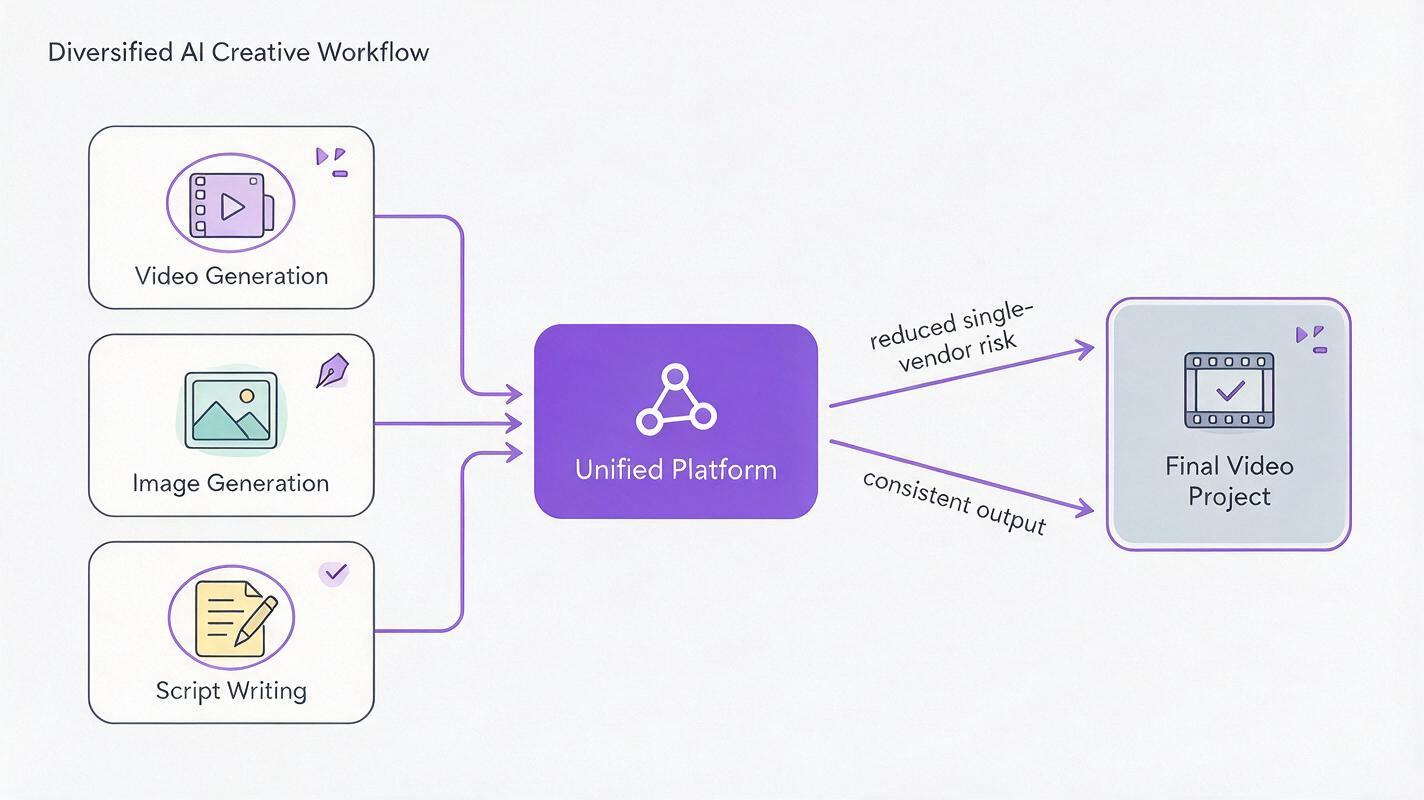
Market swings and single-vendor risk are hard to predict, but creators can take steps to make their workflows more resilient. Diversifying your toolset across multiple model providers reduces the impact of any single platform raising prices, experiencing outages, or slowing feature rollouts due to supply constraints.
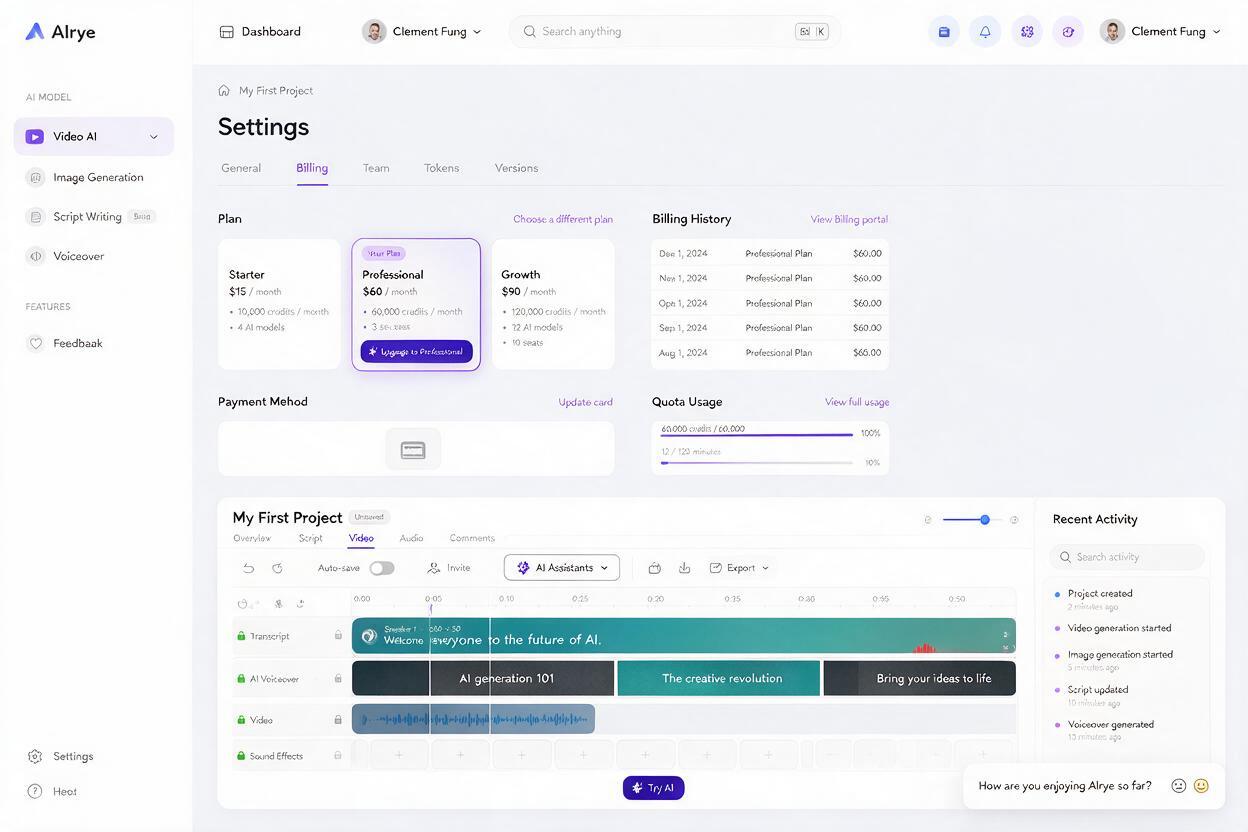
A unified multi-model platform like MagicBoat brings a wide range of AI creative tools into one interface, so you don’t have to manage separate accounts, billing, or workflow integrations for every provider. Whether you’re using an ai image generator for concept art, scripting tools for short-form content, or building complex multi-step production pipelines, a single platform helps insulate your creative process from market-driven disruptions.
You can try these models for free to build a more flexible, resilient creative workflow that works even when individual providers or market conditions shift.
Key Takeaways
- U.S. stocks posted their fourth consecutive daily decline on November 17, 2026, with the Nasdaq touching a roughly six-month intraday low before recovering slightly.
- Nvidia rose more than 4% in after-hours trading following its quarterly earnings release, beating lowered investor expectations after a week of steep sector losses.
- Underlying demand for AI compute remains strong, but market volatility underscores the importance of diversified tools for AI content creators.
- Multi-model AI platforms reduce single-vendor risk and help keep creative production consistent during periods of market uncertainty.
Keywords
nvidia earnings, us stocks, nasdaq low, ai infrastructure, ai workflow, market volatility, ai content creation