US Stocks Fall Fourth Straight Session, Nvidia Beats Earnings After Hours
U.S. stocks fell for the fourth consecutive session on Nov 17, 2026, with the Dow dropping 848.75 points and the Nasdaq touching a six-month intraday low before paring losses. The Philadelphia semiconductor index snapped a three-day losing streak, and Nvidia rose over 4% after hours following an earnings beat. The extended selloff highlights ongoing volatility in AI funding and capital expenditure, with key implications for content creators across the AI industry.
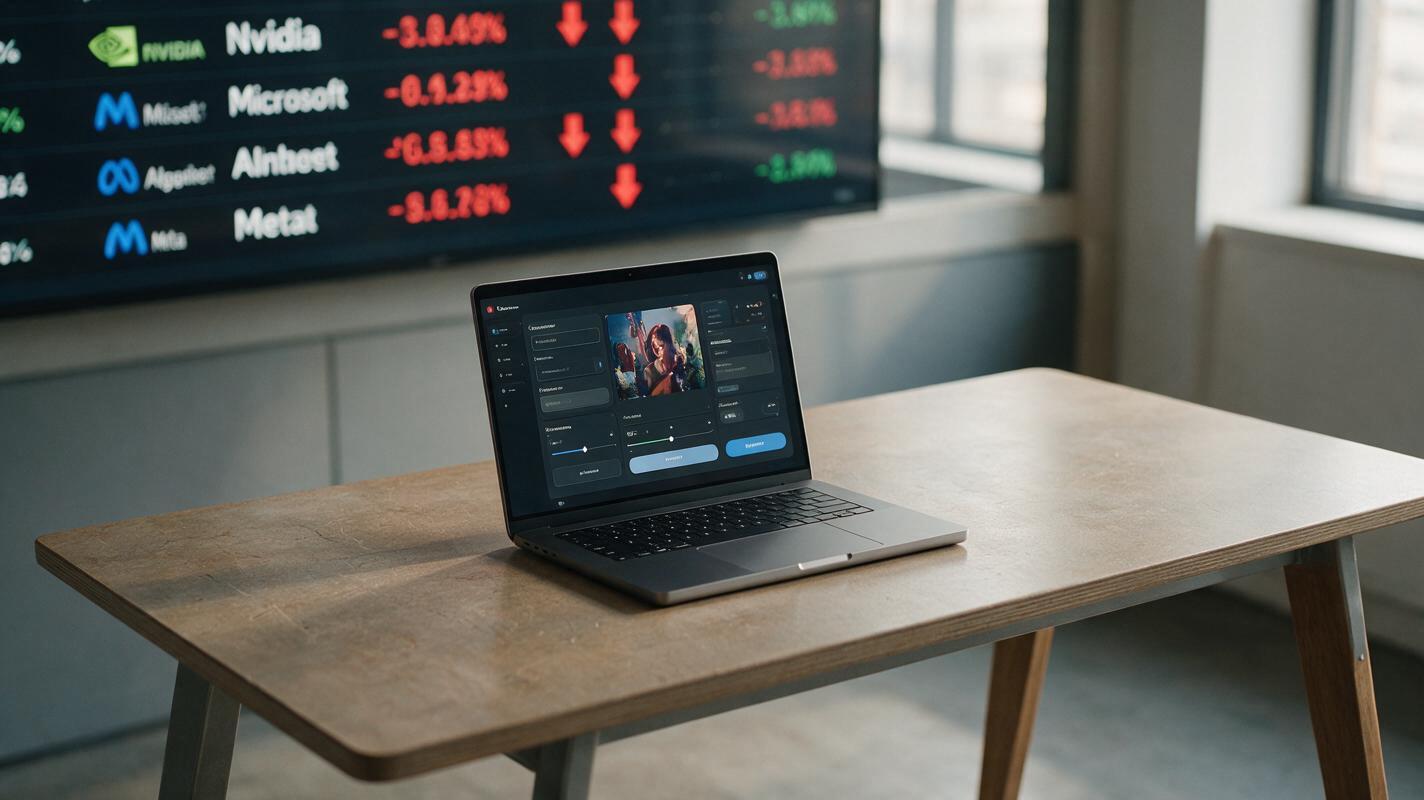
Table of contents
Nov 17 US Selloff: Fourth Straight Decline, Nasdaq Touches Six-Month Low
U.S. stocks fell across the board on Nov 17, 2026, extending a losing streak to four consecutive sessions. The Dow Jones Industrial Average dropped 848.75 points, or 1.64%, to close at 50,759.42. The S&P 500 lost 1.03% to end at 7,340.53, and the Nasdaq Composite fell 0.74% to 24,328.38, marking its fourth straight decline as well. During intraday trading, the Nasdaq touched 23,989.09, a roughly six-month low, before paring losses to close higher than its session trough.
The Wind US Tech Seven index, which tracks the largest U.S. technology companies, fell 0.82% on the day. Among its components, Microsoft led declines with a 2.27% drop, followed by Netflix at -1.76%, Alphabet at -1.24%, and Meta at -1.20%. Nvidia fell 0.44% during regular trading, and Apple slipped 0.25%. SpaceX was a notable outlier, gaining 3.16% amid the broader tech selloff.
The Philadelphia semiconductor index snapped a three-day losing streak, closing up 0.34%. Within the semiconductor space, TSMC fell 3.70%, while ARM Holdings rose 4.76%. After the closing bell, Nvidia jumped more than 4% in extended trading following its quarterly earnings beat. The Nasdaq Golden Dragon China index, which tracks Chinese companies listed in the U.S., fell 1.89% on the session.
What the Selloff Signals for AI Industry Dynamics
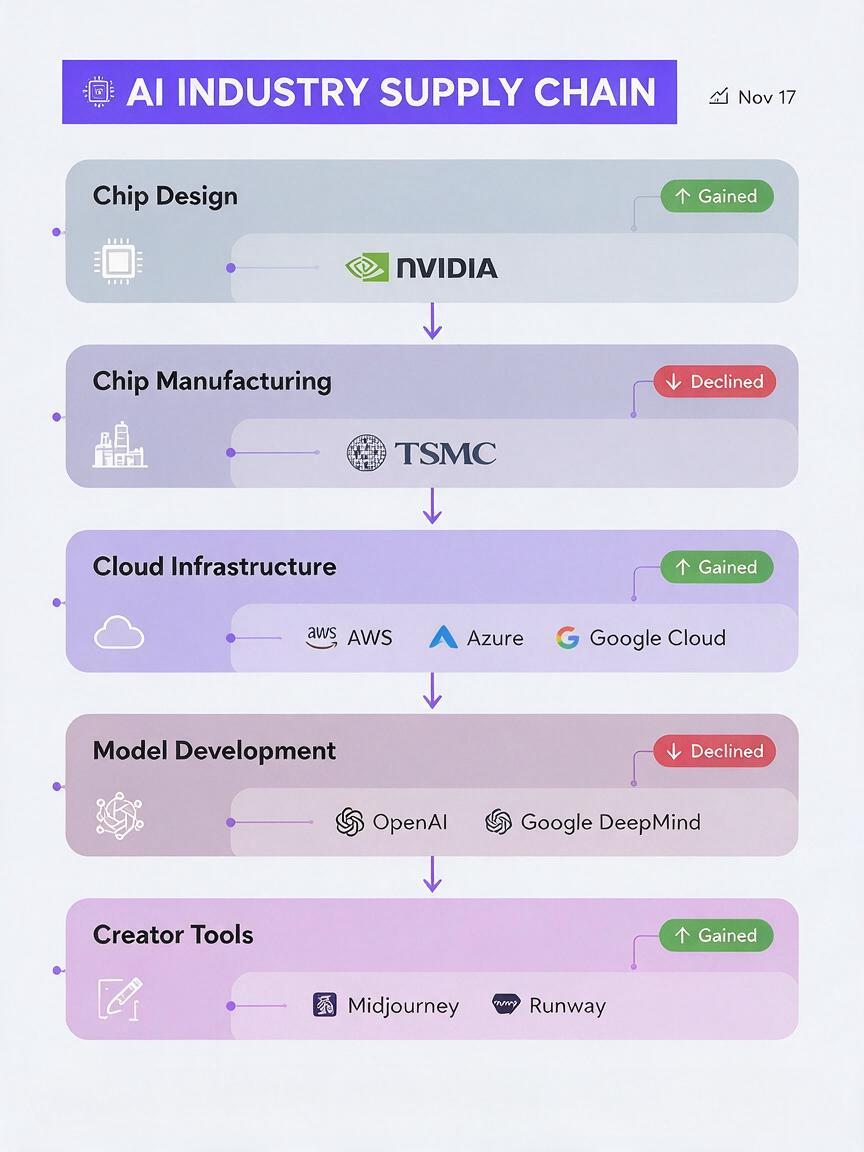
The four-day decline comes amid a period of unprecedented ai capital expenditure across the technology sector, with major cloud and AI firms pouring resources into data centers, advanced chips, and model development. The split performance across market segments—with semiconductor stocks stabilizing while broader tech continued to fall—suggests investors are beginning to differentiate between layers of the AI supply chain, rather than treating all AI-related names as a uniform trade.
Nvidia's after-hours earnings beat, coming on the heels of a volatile week for the chipmaker, highlights the ongoing strength of demand for AI hardware, even as market sentiment swings. At the same time, emerging players like DeepSeek are reshaping the competitive landscape for AI models, with a new DeepSeek model reportedly reaching the world's top weekly API call volume earlier in the quarter, underscoring the rapid pace of innovation beyond the largest U.S. tech firms.
SpaceX's gain during the selloff also points to growing investor interest in alternative AI infrastructure models, including space-based compute, which could reshape long-term ai funding and capital expenditure patterns in the years ahead. As the ai industry matures, market volatility is likely to remain a key factor shaping which players can scale and how they price their services for end users.
What This Means for AI Content Creators
For creators working with AI tools, the ongoing market volatility has direct implications for tool access, pricing, and reliability. AI content creation platforms rely on the same data center infrastructure and chip supply that are driving ai capital expenditure trends, so shifts in infrastructure costs or provider financial health can eventually trickle down to ai video cost and ai image generator pricing for individual creators and content teams.
Market uncertainty can also lead to unexpected changes in model availability, feature updates, or subscription terms from individual AI providers. Relying on a single model or platform for core creative work puts creators at risk of disruptions that can delay projects or force costly workflow overhauls.
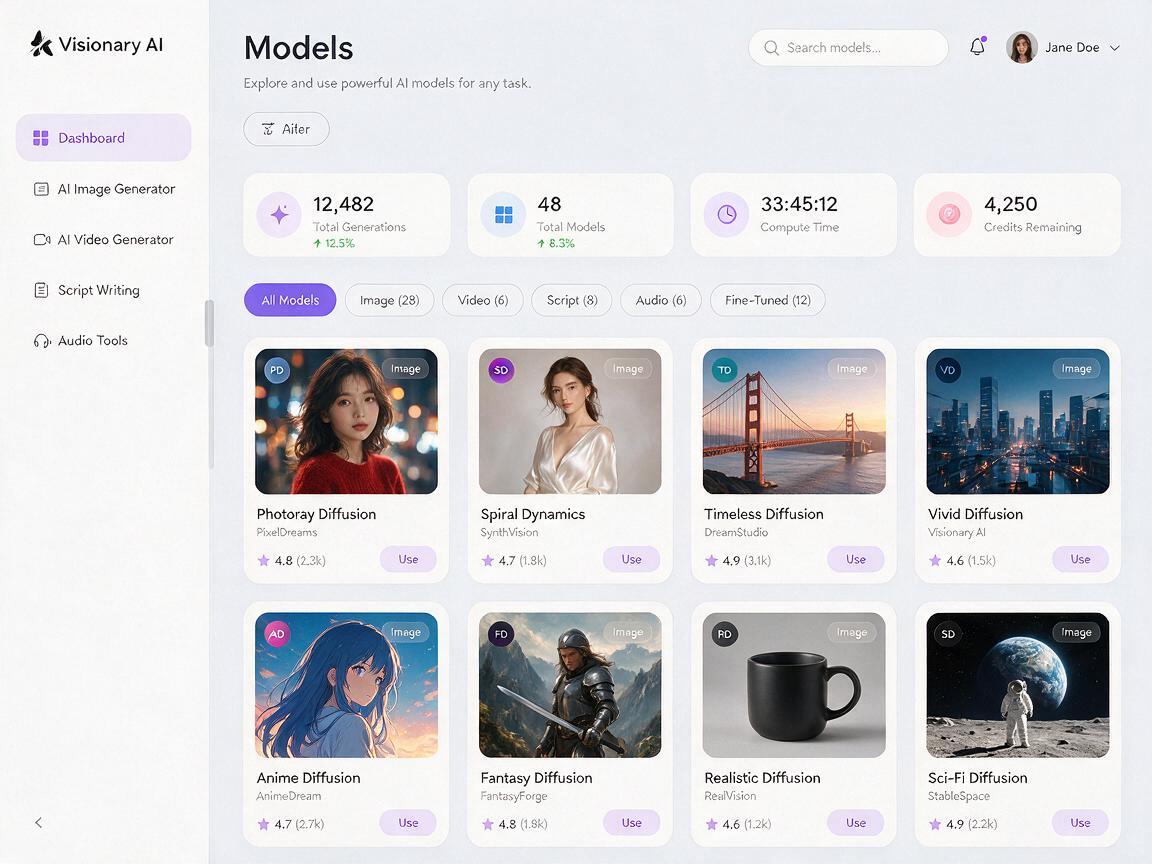
This is where diversified multi-model platforms offer clear value. A platform like MagicBoat brings together a wide range of creative AI tools, including ai video generator capabilities, text generation, and audio tools, all under one account. If one provider raises prices, changes its model, or experiences service issues, creators can seamlessly switch to an alternative without losing access to their projects or having to learn an entirely new toolset.
For creators managing tight budgets and tight deadlines, this flexibility acts as a hedge against the kind of ai industry volatility on display during the four-day selloff. Instead of betting on a single provider, creators can pick the best tool for each specific task, while keeping their workflow stable and predictable.
Key Takeaways
- U.S. stocks fell for the fourth straight session on Nov 17, 2026, with the Dow dropping 848.75 points and the Nasdaq touching a six-month intraday low before recovering some losses.
- The Philadelphia semiconductor index snapped a three-day losing streak, and Nvidia rose more than 4% after hours following a quarterly earnings beat.
- The extended selloff highlights ongoing volatility in ai funding and ai capital expenditure, with potential ripple effects on tool pricing and availability across the ai industry.
- Creators can mitigate risk by using diversified multi-model platforms that offer access to multiple AI tools and providers, reducing reliance on any single vendor.
- Try these models for free on MagicBoat to build a flexible, resilient AI creative workflow.
Keywords
ai industry, ai funding, ai capital expenditure, ai video cost, ai image generator, deepseek, us stock selloff, nvidia earnings