US Stocks Close Lower as Apple’s New Products Disappoint, CNBC Reports
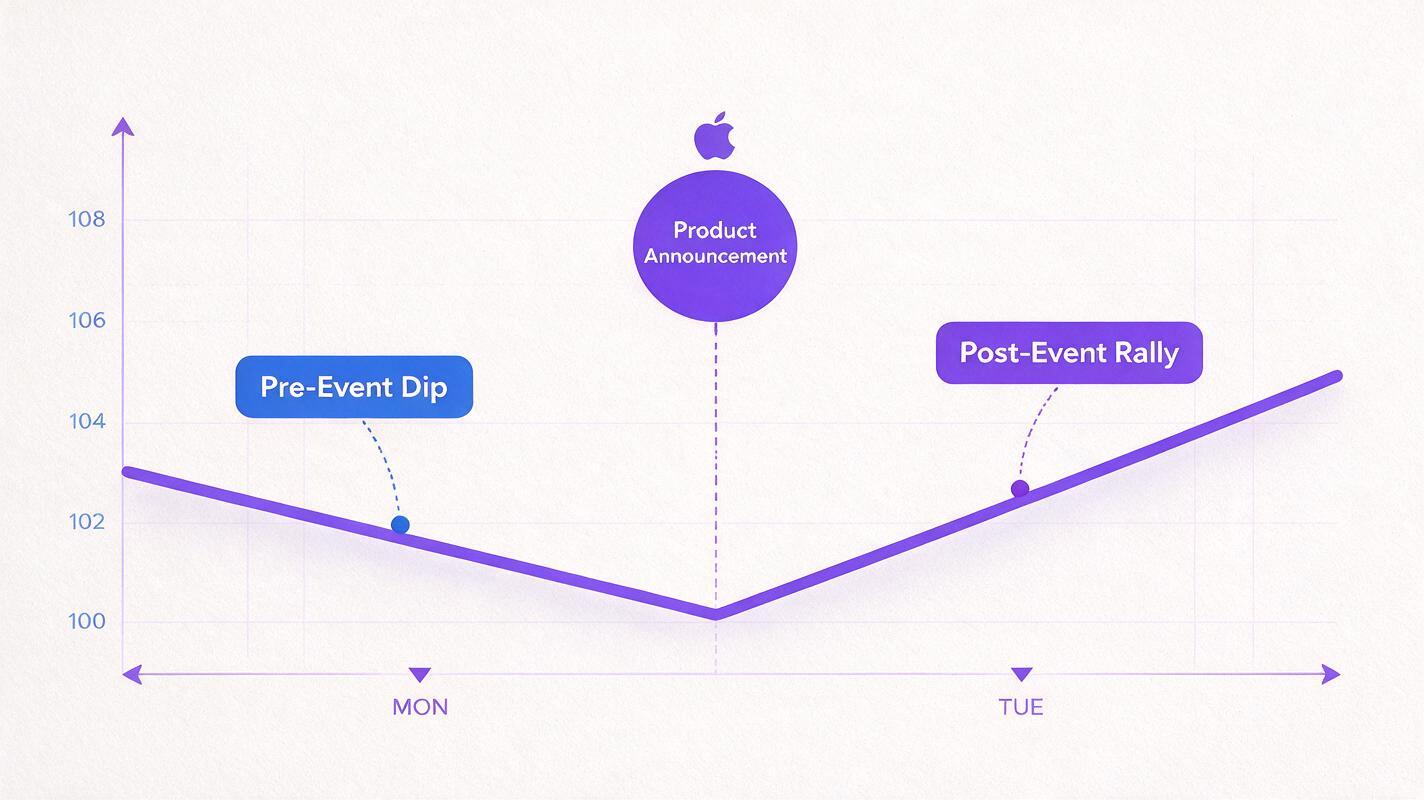
CNBC reported that U.S. stocks closed lower on a mid-October 2026 Monday, with investor disappointment over Apple’s upcoming new product lineup cited as a key driver. The dip was short-lived, as Apple’s stock rebounded to a new record high the day after its “Welcome home” smart-home event. For AI content creators, the market volatility underscores the value of flexible, multi-model workflows that reduce reliance on any single vendor.

Table of contents
What the CNBC Report Says
CNBC reported that U.S. stocks closed lower on a Monday in mid-October 2026, with investor disappointment over Apple’s upcoming new product lineup cited as a key driver of the pullback. The report came amid a busy month for Apple, which had multiple product announcements and AI-related launches scheduled across its hardware and software ecosystems.
The market dip reflected short-term investor uncertainty about how well Apple’s new offerings would resonate with consumers, particularly as the company expands its focus into AI-powered smart-home devices. Just one day after the Monday stock drop, Apple held its highly anticipated “Welcome home” smart-home event, where it unveiled the HomeView display hub, an updated HomePod mini, and a new Apple TV 4K.
By the day after the event, Apple’s stock had rebounded to hit a new all-time high, erasing the earlier losses and highlighting how volatile short-term market reactions to pre-event expectations can be. The rally suggested investors were more impressed by the final product details and ecosystem integration than they were by pre-launch leaks and rumors.
Why Investors Were Skeptical Ahead of the Event
The pre-event skepticism ties into broader trends playing out across the ai industry, where massive investment has been paired with growing scrutiny of real-world monetization. Goldman Sachs has projected that five major cloud giants will grow their ai capital expenditure by more than 50% to $1.2 trillion next year, but investors are increasingly selective about which AI use cases will deliver sustainable returns.
Smart-home AI, in particular, has been a category of mixed results for tech companies. While voice assistants and connected devices have grown in popularity, convincing consumers to upgrade entire home ecosystems remains a challenge. Apple’s smart-home strategy centers on the HomeView display hub as a central control point, paired with the HomePod mini, Apple TV, and third-party accessories from partners like LG and Schneider Electric.
Investors may also have been weighing concerns about broader macroeconomic conditions, supply chain constraints, and competition from other tech giants expanding into the smart-home space. The AI-powered personal assistant market, too, is heating up, with Meta’s Muse and other agents positioning themselves as alternative front doors to digital services.
What This Means for AI Content Creators
For independent creators and small content teams, daily stock swings of large tech vendors rarely have a direct impact on day-to-day workflows — but the underlying trends driving those moves do matter. The same AI innovation that’s pushing companies like Apple to invest billions in smart-home hardware has also dramatically lowered the barrier to entry for high-quality content production.
Tools like ai image generator and ai video generator have democratized content creation, letting creators of all sizes produce professional-quality assets without investing in top-of-the-line hardware or large production teams. ai video cost has dropped so significantly that even solo creators can now produce short films, social media reels, and marketing videos that would have required a full studio just a few years ago.
The volatility of single-vendor ecosystems also highlights the value of flexible, multi-model workflows. Relying on one company’s hardware, software, or AI models can leave creators exposed to price hikes, feature changes, or product delays. A platform that brings together multiple best-in-class models in one place gives creators more control over their output, costs, and creative direction.
Whether you’re creating content for social media, YouTube, brand campaigns, or personal projects, the ability to switch between models, test different approaches, and scale up or down as needed is far more important than which tech company’s stock is up or down on any given day. try these models for free to see how a multi-model approach can streamline your workflow.

Key Takeaways
- U.S. stocks closed lower on a mid-October 2026 Monday, with CNBC citing investor disappointment with Apple’s expected new product lineup as a key factor.
- Apple’s stock rebounded to a new record high just one day after its “Welcome home” smart-home event, underscoring the volatility of short-term pre-event market reactions.
- The AI industry continues to see massive capital expenditure, but investors are increasingly focused on use cases that can deliver measurable, sustainable returns.
- For content creators, AI tools have drastically reduced production costs and hardware requirements, making professional-quality content accessible to teams of all sizes.
- Multi-model AI platforms reduce reliance on any single vendor, creating more stable, flexible, and cost-effective content workflows.
Keywords
us stocks, apple new products, ai industry, ai capital expenditure, ai video cost, ai image generator, cnbc