US Stocks Rebound on Meta Muse Spark Open and Apple AI China Approval
On October 16, 2026, US stocks closed higher across all three major indexes in a rebound driven by two key AI sector developments: Meta's Muse Spark Open and Apple's AI approval in China. The gains highlight the growing market weight of AI assistant and ecosystem developments, which now move broad market indexes alongside traditional economic indicators. For content creators, the shift underscores the need for flexible, multi-platform AI workflows that can adapt to evolving AI ecosystem dynamics.
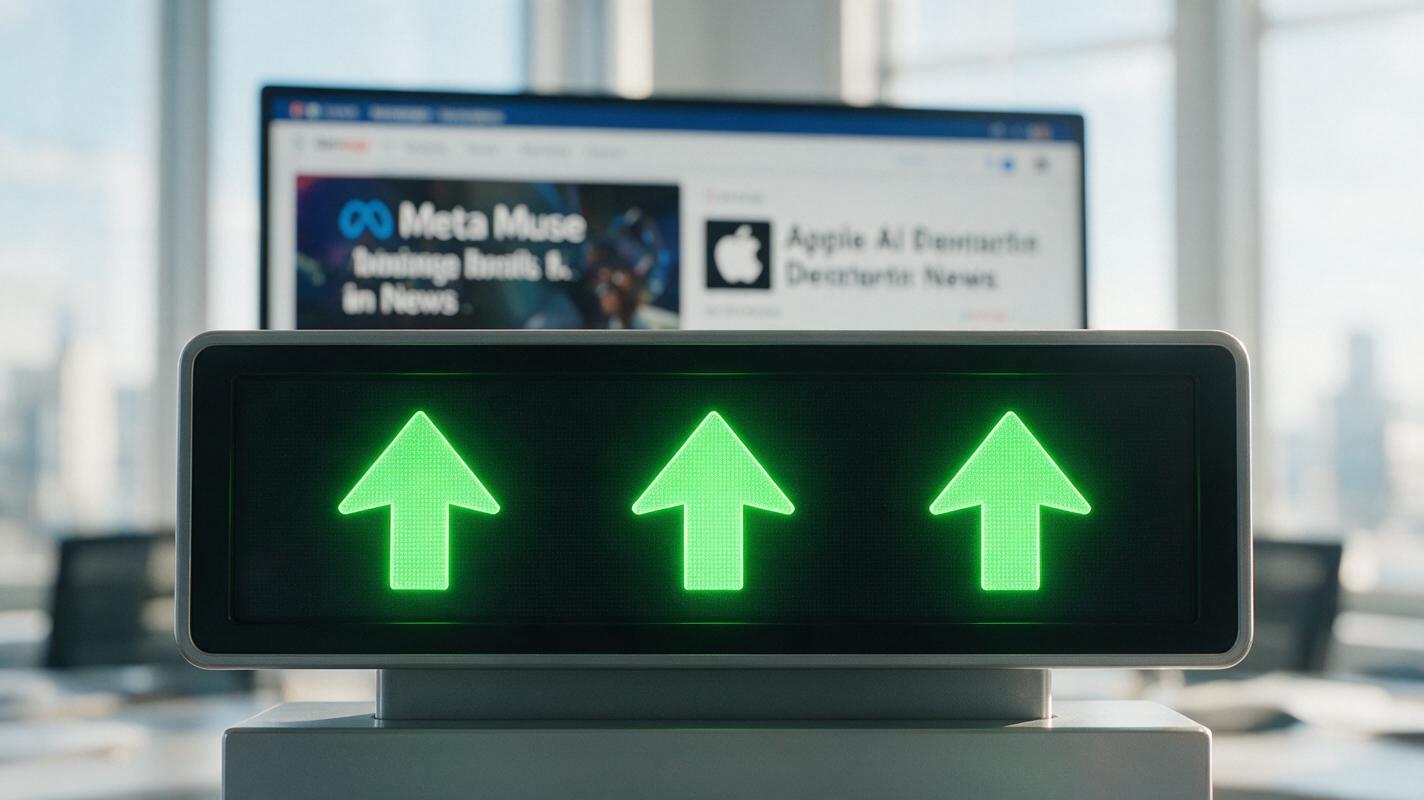
Table of contents
What the October 16 US Stock Rebound Reveals About AI
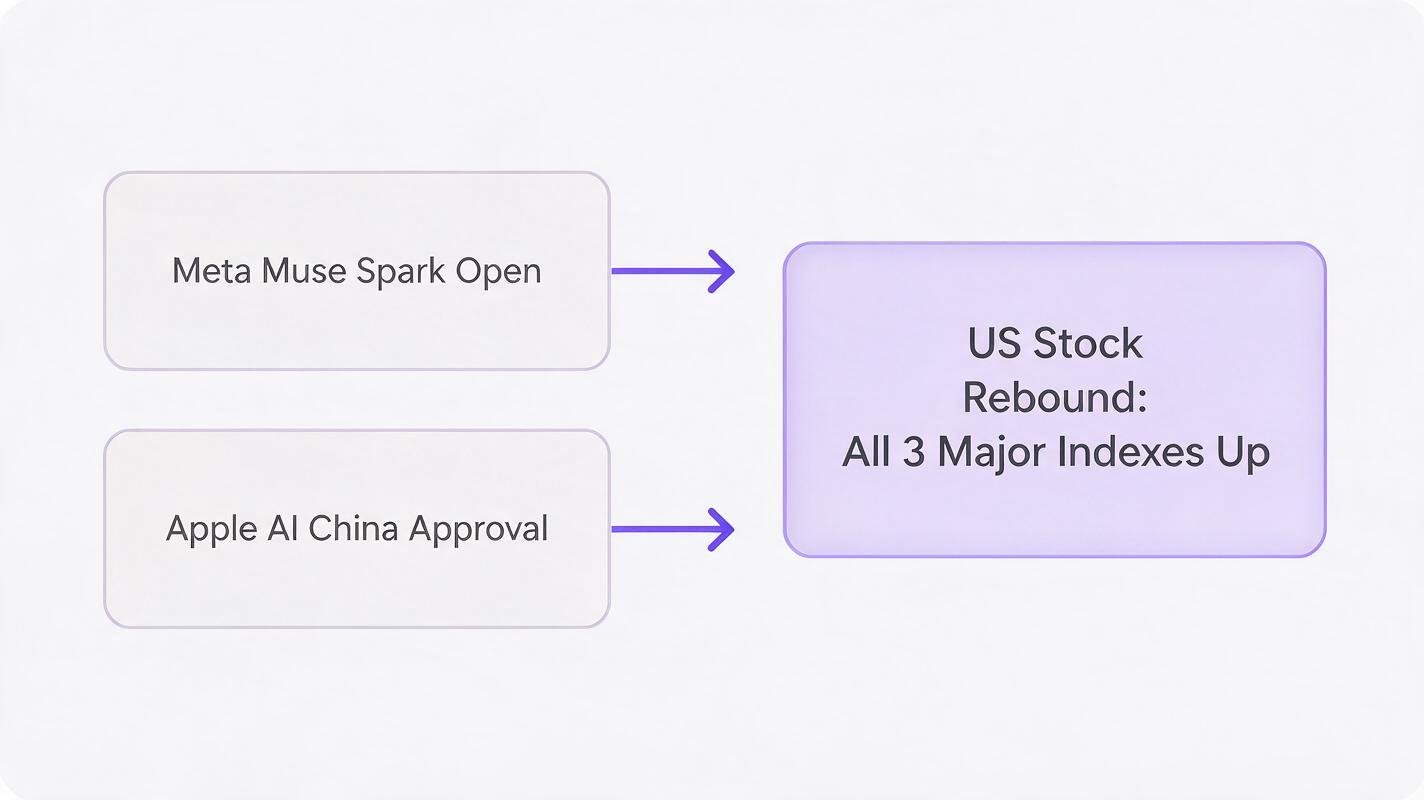
On October 16, 2026, US stocks rebounded to close higher across all three major indexes, driven by a pair of positive AI sector developments that boosted investor sentiment: Meta's Muse Spark Open and Apple's AI approval in China. The broad-based gain underscores how AI platform and assistant launches have become core market-moving events, rivaling traditional economic indicators in their impact on major index performance.
According to reports from Qianjiang Evening News, the dual AI headlines were the primary catalysts for the upward move. Meta's Muse Spark Open marks a key milestone for the company's personal AI assistant, which analysts have positioned as a potential leading "front door" to the internet in the personal-agent market. Apple's approval to launch its Apple Intelligence beta in China, built on Alibaba's Qwen model, opens access to one of the world's largest consumer technology markets for the company's AI features.
The rebound comes amid a period of heightened volatility in tech stocks tied to AI development, as investors weigh the long-term revenue potential of AI agents, assistants, and ecosystem tools against near-term infrastructure costs and regulatory risks. Both Meta and Apple are seen as major players in the consumer AI space, with Muse and Apple Intelligence representing multi-billion-dollar bets on the future of human-computer interaction.
Why AI Developments Are Driving Broad Market Gains
It's no longer unusual for AI-related news to move individual tech stocks, but the October 16 rebound shows that AI developments now have enough weight to lift entire market indexes. This shift reflects the growing share of AI-focused companies in major index compositions, as well as the broad economic spillover expected from AI automation and agent ecosystems.
Meta's Muse, in particular, has been the subject of aggressive revenue projections from analysts. A recent Citi estimate values Muse's potential revenue at over $27 billion by 2030, positioning the AI assistant as the leading entry point to the internet in the personal-agent market. If Muse captures even a fraction of that projected market, it would represent a massive new revenue stream for Meta, with ripple effects across advertising, ecommerce, and content distribution.
Apple's China AI approval carries similar weight. The Chinese market is one of Apple's largest, and the rollout of Apple Intelligence features — including live translation, writing tools, and photo cleanup — could drive new device upgrades and increase ecosystem stickiness for millions of users. Built on Alibaba's Qwen model, the China beta also signals a growing trend of cross-platform AI partnerships, as companies adapt to regional regulatory and market requirements.
For investors, these developments signal that AI is moving from an experimental phase to a revenue-generating one, with clear use cases in consumer markets. This confidence translates to higher stock prices not just for the companies directly involved, but for the broader tech ecosystem and supply chain that supports AI development.
What This Means for AI Content Creators
While stock market gains may feel distant from day-to-day content creation work, the forces driving the October 16 rebound have direct implications for creators building AI-powered workflows. As AI assistants and ai agent platforms become the primary "front door" for users to discover and interact with content, creators will need to adapt their production strategies to reach audiences across multiple AI ecosystems.
An ai video generator that works across multiple model backends, for example, gives creators the flexibility to optimize content for different AI assistant recommendation systems without rebuilding their entire workflow. This kind of portability will become increasingly important as platforms like Meta Muse and Apple Intelligence compete for user attention, each with their own content preferences and discovery algorithms.
Creators who lock themselves into a single AI ecosystem risk losing reach if that platform falls out of favor, faces regulatory setbacks, or changes its content policies. The same market volatility that drove the October 16 rebound can just as easily lead to pullbacks, as seen in recent tech stock selloffs tied to AI supply chain concerns. Building a resilient workflow that isn't dependent on one platform is a critical safeguard against these shifts.
Building Ecosystem-Resilient AI Content Workflows
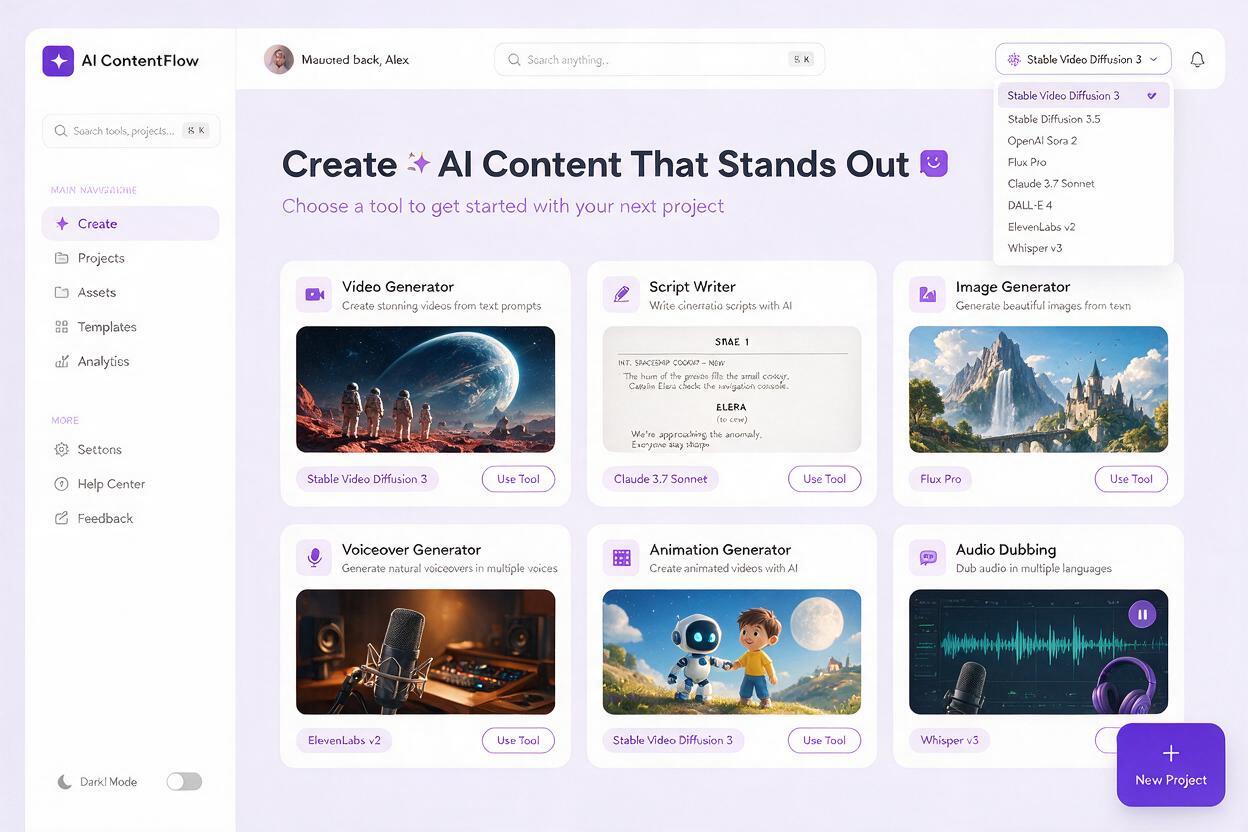
The key to thriving in a multi-assistant AI landscape is flexibility. Instead of building content workflows around a single company's tools or model, creators can use a multi-model AI platform to access a range of tools, switch between models as needed, and export content in formats optimized for every major AI ecosystem.
MagicBoat offers exactly this kind of flexibility, with a full suite of AI content tools integrated into a single platform. From ai script writer tools for planning long-form video content to image generation, voiceover, and lip-sync capabilities, MagicBoat lets creators build end-to-end workflows that don't rely on any single tech giant's ecosystem. This means you can adapt quickly as new AI assistants launch, market conditions shift, or audience behavior changes.
A resilient workflow also reduces risk from service disruptions, policy changes, or pricing shifts at any one platform. If a specific model or tool becomes unavailable or too expensive, you can switch to an alternative within the same platform without losing access to your content library, project history, or custom templates. This kind of stability is invaluable for creators who rely on AI tools to meet consistent publishing schedules.
For creators just starting to build AI-powered workflows, the best approach is to prioritize tools that support open standards, multiple model options, and easy content export. This ensures that your work remains portable, and that you can take advantage of new developments across the AI ecosystem without being locked into a single provider. You can try these models for free to explore how a multi-model platform can support your content workflow.

Key Takeaways
- US stocks closed higher across all three major indexes on October 16, 2026, driven by Meta's Muse Spark Open and Apple's AI approval in China.
- AI developments now have enough market weight to move broad indexes, reflecting the growing economic impact of AI assistants and agent ecosystems.
- Content creators should build flexible, multi-platform AI workflows to avoid lock-in and adapt to shifting AI ecosystem dynamics.
- Multi-model AI platforms provide the flexibility and resilience needed to thrive across multiple AI assistant ecosystems.
Keywords
us stocks rebound ai, meta muse, apple ai china approval, ai assistant, ai agent, ai ecosystem, ai workflow, ai content creation