US Tech Stocks Plunge: Meta, Nvidia Down 3%, Oracle Drops 8.8%; ASML Q3 Beats
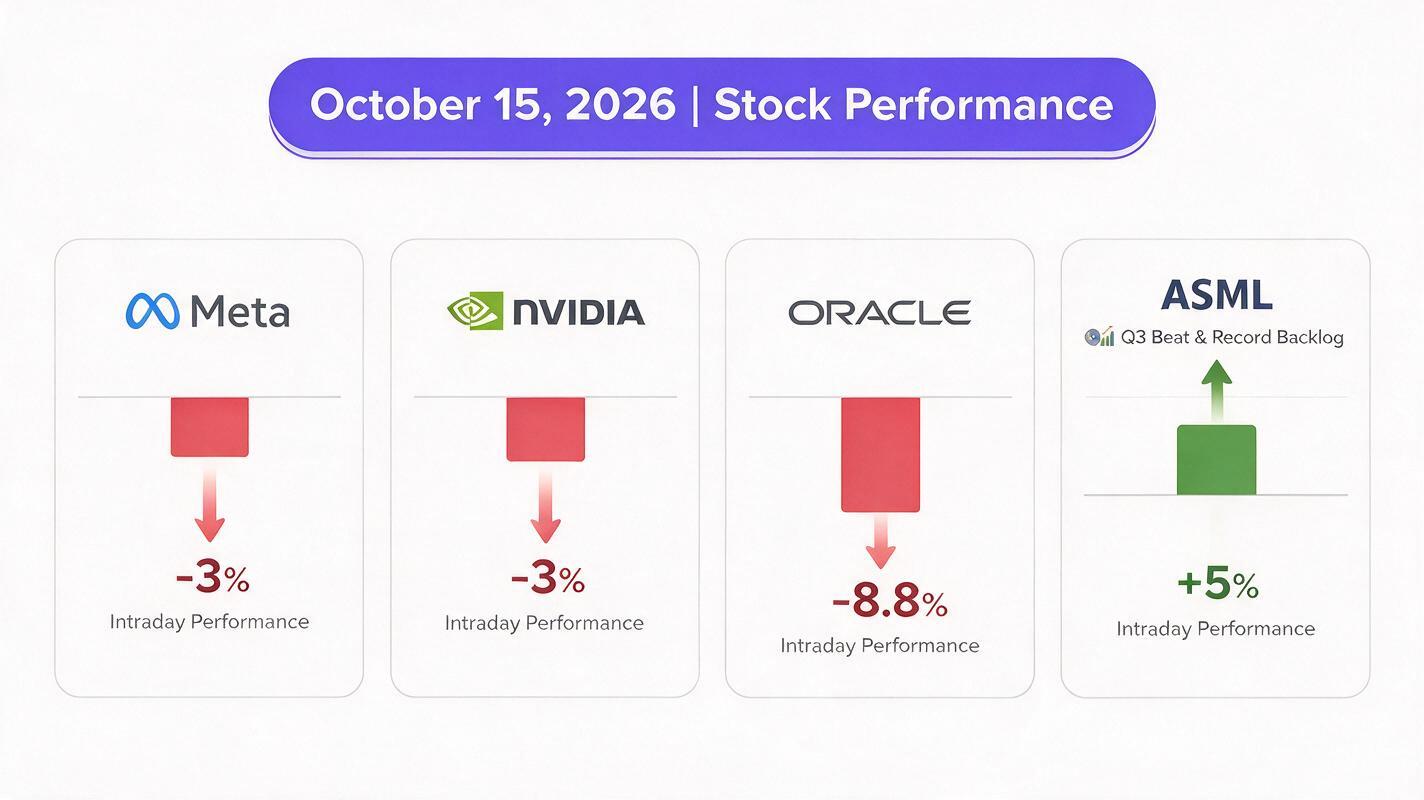
On October 15, 2026, major US tech and AI stocks plunged sharply, with Meta and Nvidia falling 3% each and Oracle dropping 8.8% amid broader sector volatility. Contrary to the downturn, semiconductor equipment leader ASML reported a stronger-than-expected Q3 2026 with a record order backlog extending through 2030, signaling sustained demand for AI-related chip manufacturing capacity. The mixed results highlight ongoing tension between short-term AI stock valuation concerns and long-term growth in ai capital expenditure.
Table of contents
A sharp October 15 selloff sent major US AI and tech stocks tumbling, even as one critical semiconductor supplier reported record demand that signals long-term AI infrastructure growth is still accelerating.
On October 15, 2026, US tech stocks plunged across the board, with AI-exposed companies leading the downturn. Meta and Nvidia each fell 3%, while Oracle dropped 8.8% in one of the sharper single-day declines for the sector that month. The selloff affected firms spanning the AI value chain, from social media platforms and cloud infrastructure providers to chip designers.
Contrary to the broader market slump, semiconductor equipment manufacturer ASML reported stronger-than-expected Q3 2026 results, highlighted by a record order backlog extending all the way through 2030. The results underscore a growing divide between short-term public market volatility and sustained long-term investment in the hardware that powers the AI industry.
What Drove the October 15 Tech Stock Decline
The October 15 selloff hit a wide range of tech and AI stocks, with declines concentrated in companies most closely tied to AI growth expectations. Meta, which has been investing heavily in its Muse AI assistant and consumer AI tools, fell 3% alongside chip designer Nvidia, whose GPUs dominate the AI training and inference market. Oracle, which has been expanding its cloud infrastructure for AI workloads, saw an even steeper 8.8% drop.
The downturn comes amid a period of broader uncertainty for AI stocks, as investors balance rapid sector growth against concerns about valuation, infrastructure delivery timelines, and regulatory risks. Recent reports of delayed data center projects have added to near-term jitters, even as long-term demand for AI capacity remains strong.
According to a Financial Times report, at least 47 large US data-center projects have been delayed, withdrawn, or blocked in 2026, with Bernstein estimating that only around 35% of planned projects have credible delivery prospects. Barriers include financing challenges, permitting delays, power supply constraints, and community opposition.
Why ASML’s Q3 Results Buck the Trend
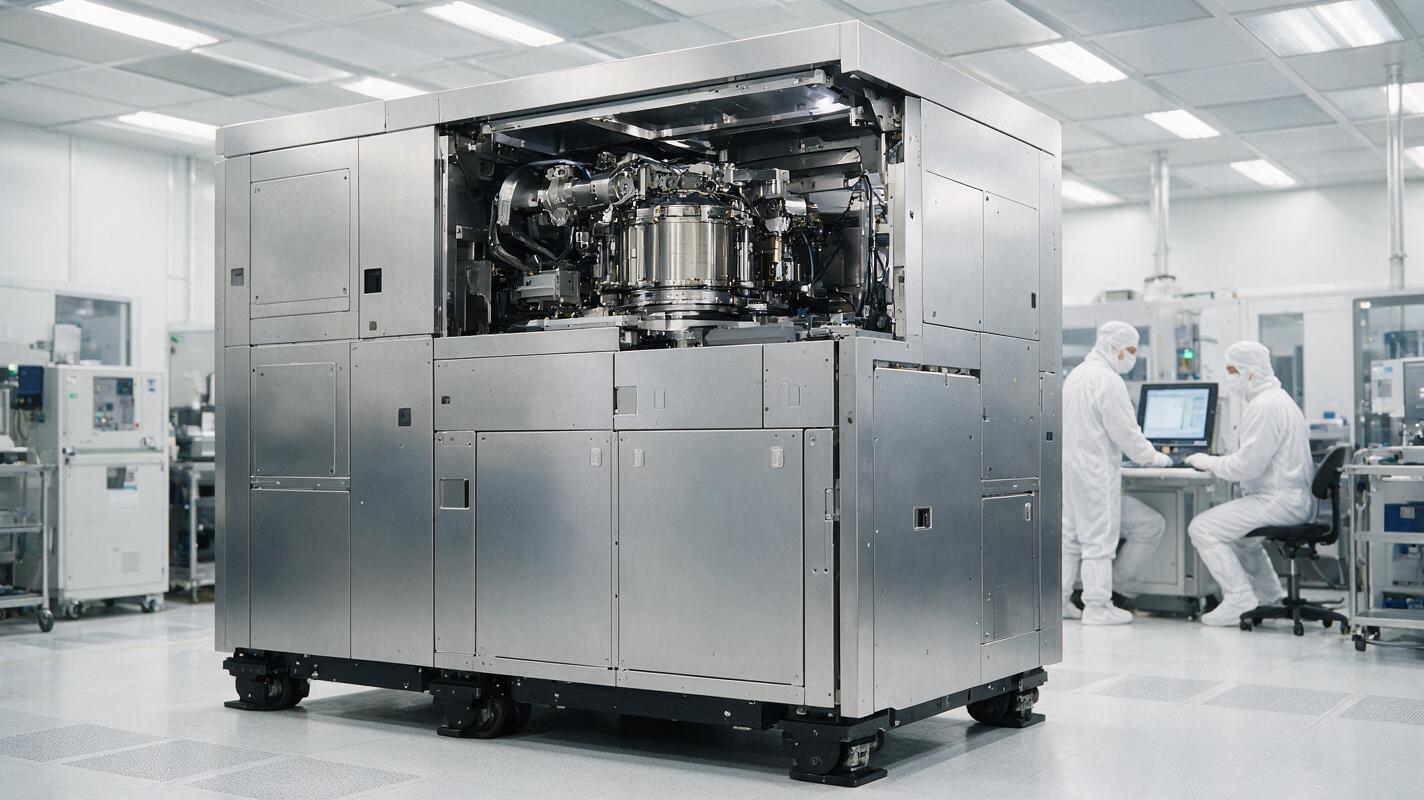
While most tech stocks fell on October 15, ASML — the world’s leading supplier of extreme ultraviolet (EUV) lithography machines critical for manufacturing advanced semiconductor chips — reported Q3 results that exceeded analyst expectations. Most notably, the company holds a record order backlog that stretches through 2030, signaling years of guaranteed demand ahead.
ASML’s strong performance is directly tied to surging ai capital expenditure across the tech industry. Advanced chips designed for AI workloads require the most sophisticated lithography equipment to manufacture, and cloud giants, chipmakers, and AI firms are all locking in capacity to support future growth. Goldman Sachs has estimated that AI capital expenditure from the five largest cloud giants will grow more than 50% to $1.2 trillion next year, a figure that aligns with ASML’s record backlog.
The contrast between falling stock prices and rising semiconductor equipment orders highlights a key dynamic in the AI sector: even as public markets adjust short-term valuations, the underlying physical infrastructure buildout for AI is continuing at a rapid pace.
What This Mixed Market Signals for the AI Industry
The October 15 market moves paint a complex picture of the current ai industry landscape. On one hand, short-term volatility is likely to persist as investors navigate shifting interest rates, regulatory developments, and questions about how quickly AI investments will translate into profits. This volatility can also spill over into private ai funding, as investors become more selective about which startups they back and at what valuations.
On the other hand, ASML’s record backlog makes clear that long-term investment in AI infrastructure remains robust. The need for more powerful chips, larger data centers, and advanced AI models is not going away, and companies across the value chain are making multi-year commitments to build out the capacity required to support AI growth.
For AI tool vendors, this mixed environment means balancing short-term financial pressure with long-term investment in product development. Some vendors may adjust pricing, slow hiring, or pivot their product roadmaps to align with investor expectations, which can have direct impacts on the creators and businesses that rely on their tools.
Implications for Content Creators and Content Teams
For content creators and teams using AI tools, the mixed market news carries both opportunities and risks. On the opportunity side, sustained ai capital expenditure means more advanced and specialized AI creative tools will continue to enter the market, expanding what creators can do with everything from ai image generator workflows to high-quality text to video production.
On the risk side, short-term market volatility can lead to unexpected changes in AI tool pricing, feature availability, or even service continuity. For example, ai video cost could rise if cloud providers pass on higher infrastructure costs, or if smaller AI startups raise prices to extend their runway amid tighter ai funding conditions. Vendors may also remove or restrict certain features to cut costs, disrupting established creative workflows.
This uncertainty makes flexible, multi-model AI platforms more valuable than ever for creators. Instead of relying on a single vendor for all their AI creative needs, creators can use platforms that aggregate multiple tools and models in one place, making it easy to switch between options if pricing, features, or availability change.
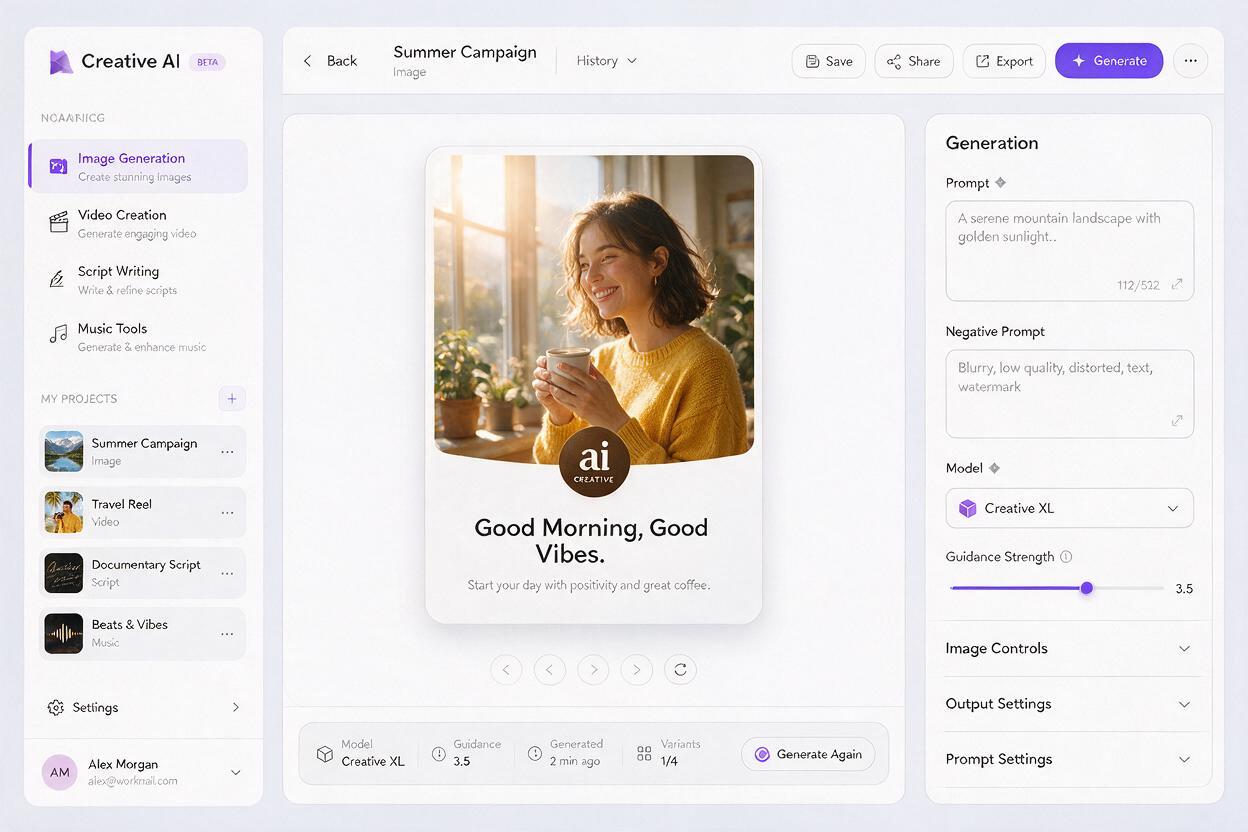
MagicBoat is one such platform, offering a wide range of AI creative tools for image generation, video production, script writing, music, and more — all accessible with a single account. This means creators can adapt their workflows quickly without having to learn new tools or set up new subscriptions every time the market shifts. You can try these models for free to build a resilient, adaptable creative workflow that works for you.
Key Takeaways
- On October 15, 2026, major US tech and AI stocks plunged, with Meta and Nvidia down 3% and Oracle down 8.8%.
- Semiconductor equipment maker ASML beat Q3 2026 expectations and holds a record order backlog extending through 2030, signaling strong long-term demand for AI-related chip manufacturing.
- The mixed market results reflect ongoing tension between short-term AI stock volatility and sustained long-term growth in ai capital expenditure.
- Creators can protect their workflows from market-related tool changes by using multi-model AI platforms that offer access to multiple tools and models in one place.
Keywords
ai industry, ai capital expenditure, tech stocks, asml q3 2026, meta stock, nvidia stock, oracle stock, ai funding