USA Today Sues OpenAI for $250M+ Over Copied Articles
USA Today has filed a lawsuit against OpenAI seeking more than $250 million in damages, alleging the AI developer copied hundreds of thousands of its news articles to train its large language models. The case raises broader questions about copyright and AI training data that apply to all generative AI tools, including those used for video and image creation. For creators, the lawsuit highlights the importance of building flexible, multi-model workflows to mitigate operational and legal risk.
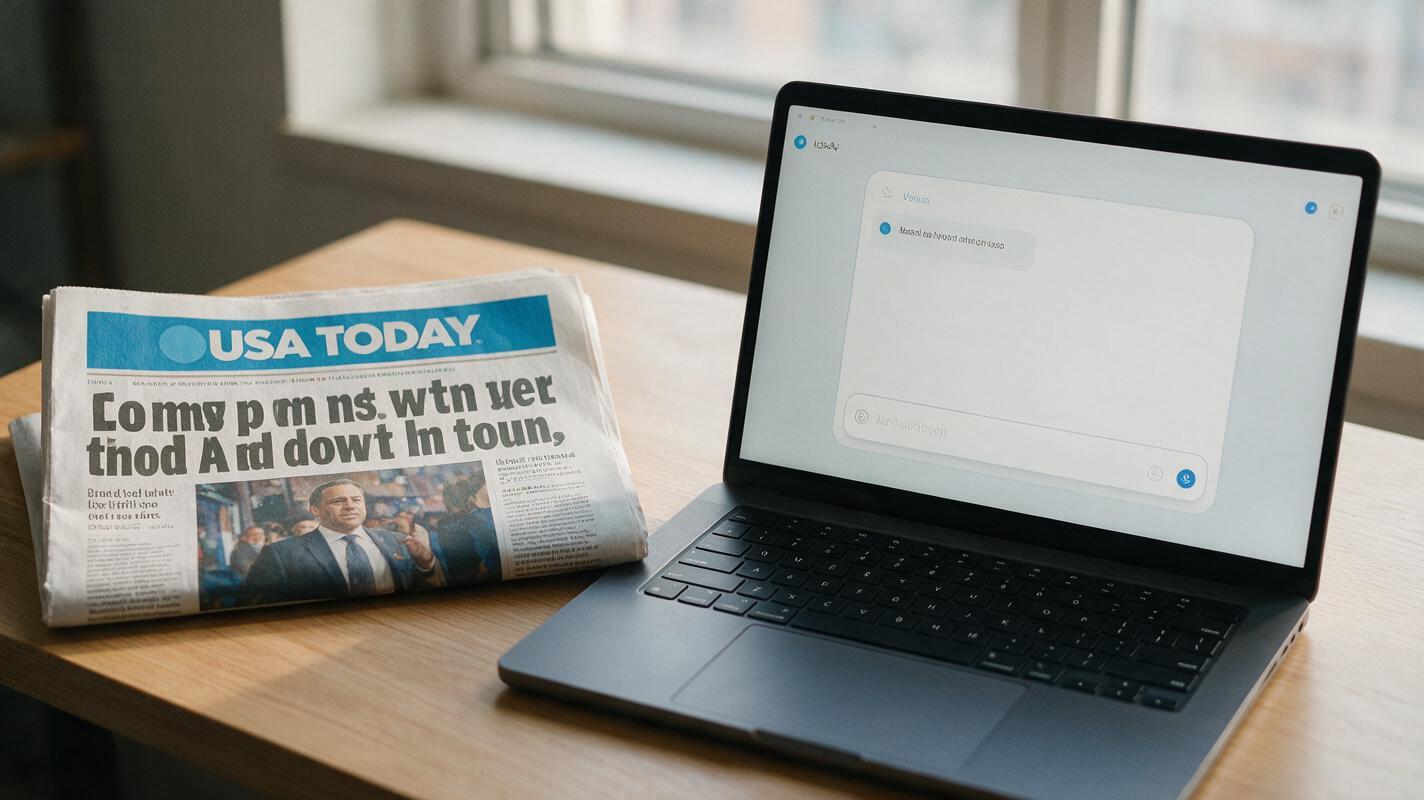
Table of contents
The USA Today Lawsuit Against OpenAI: What We Know
On October 8, 2026, USA Today filed a lawsuit against OpenAI seeking more than $250 million in damages, alleging the AI developer copied hundreds of thousands of its news articles without permission to train its large language models. The complaint, first reported by The Verge, claims OpenAI’s use of USA Today’s copyrighted content violates federal copyright law and has caused substantial harm to the publisher’s business.
The suit centers on the widespread practice of AI companies scraping publicly available online content to train their models, a process that has drawn increasing scrutiny from publishers, artists, and content creators. USA Today alleges that OpenAI reproduced its articles at scale, incorporating the text into the training datasets that power OpenAI’s suite of large language models, without securing licenses or compensating the publisher.
At the time of the report, OpenAI had not issued a formal response to the lawsuit. The $250 million+ damages figure sought by USA Today reflects statutory damages for the alleged copyright infringements, plus additional claims related to unfair competition and market harm.
What This Means for AI Video and Image Creators
While the lawsuit is focused on text-based news content, it has direct implications for AI video and image creators who rely on generative AI tools to produce their work. The core question at the heart of the case—whether AI companies have the right to use copyrighted content to train their models without permission—applies across all modalities, from text to images to video.
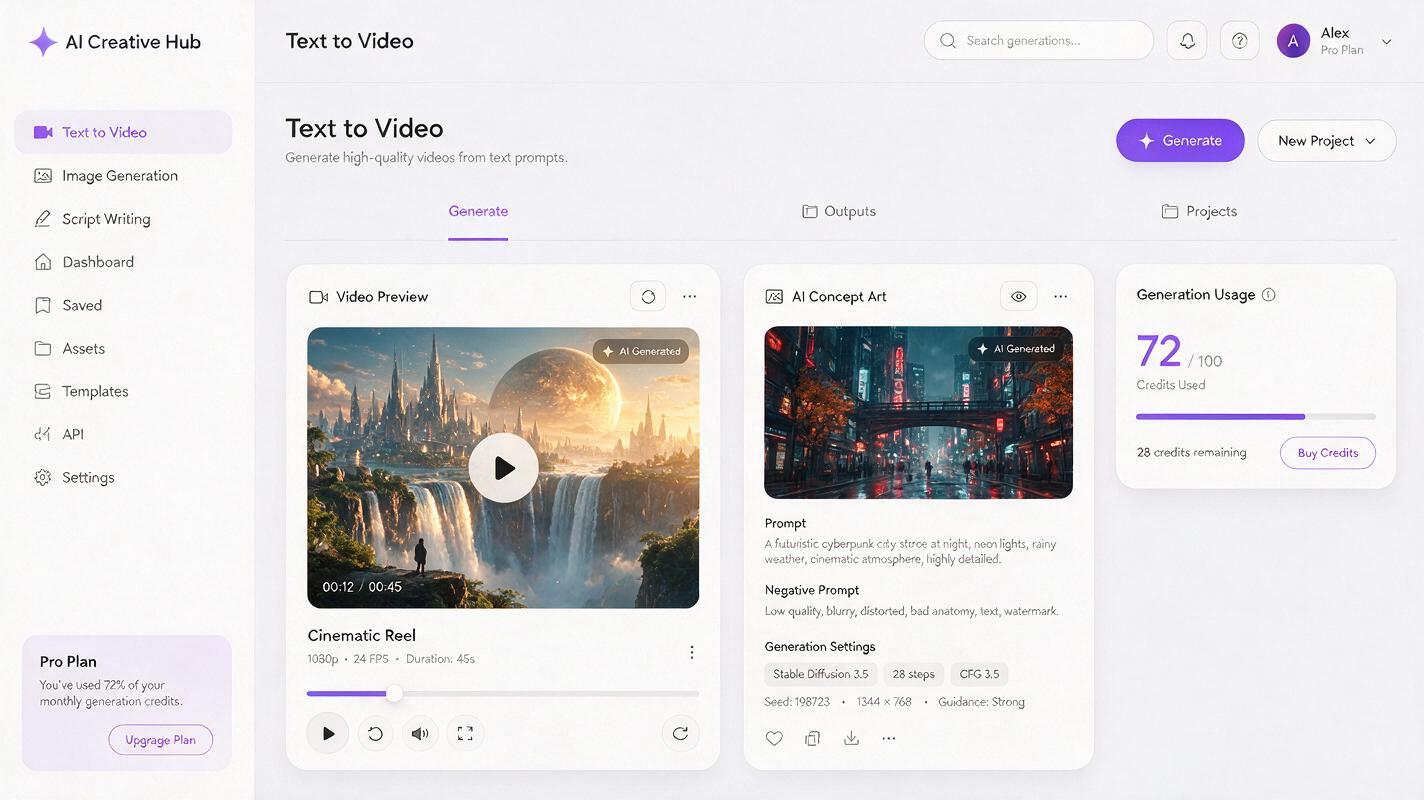
Creators use a range of AI tools for their workflows, from text to video generators that turn written prompts into full motion clips, to ai image generator tools that create concept art and visual assets. If courts rule that training on copyrighted content without permission is infringement, AI companies may be forced to remove copyrighted material from their training datasets, which could impact model performance, feature availability, or pricing.
There is also a risk of service disruptions if legal rulings force AI providers to take models offline temporarily to retrain them on licensed data. For creators who depend on these tools to meet client deadlines or publish content on a schedule, even short outages can have real financial consequences. This uncertainty makes it more important than ever for creators to build flexible workflows that are not tied to a single AI provider or model.
How Multi-Model Platforms Mitigate Creator Risk
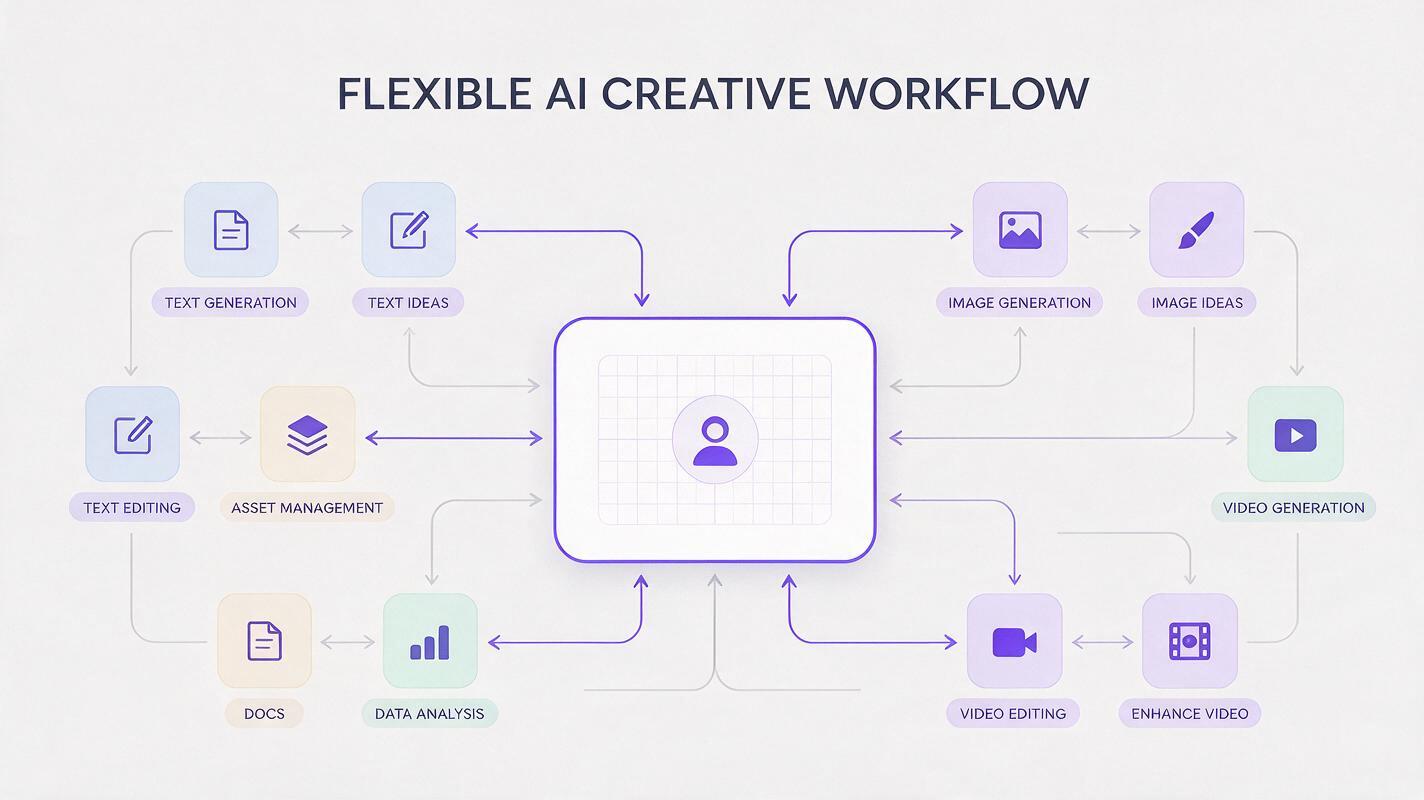
One of the most effective ways creators can protect themselves from legal and operational uncertainty in the AI space is to use a multi-model platform that gives them access to a wide range of tools from different providers in one place. Instead of relying on a single company’s models, creators can switch between options as needed, ensuring they always have a backup if one service experiences disruptions, price hikes, or feature cuts due to legal challenges.
MagicBoat is one such platform, offering a unified interface for all your AI creative needs, from video generation to image creation to scriptwriting and audio production. The platform hosts multiple leading AI models, so you can test different tools, compare outputs, and pick the best one for each specific project, without having to manage separate accounts or subscriptions for every provider.
This multi-model approach also gives creators more control over their creative process. If a lawsuit or regulatory change impacts one model’s availability or performance, you can seamlessly switch to another option without missing a beat. You can also mix and match tools from different providers to build custom workflows that fit your unique style and project requirements, rather than being locked into a single company’s ecosystem.
If you’re looking to build a more resilient creative workflow, you can try these models for free on MagicBoat today, with no credit card required to get started.
Key Takeaways for Creators
- The USA Today lawsuit against OpenAI raises critical questions about copyright and AI training data that could impact all generative AI tools, including those used for video and image creation.
- Legal uncertainty around AI training data creates potential risks of service disruptions, price changes, or feature cuts for creators who rely on single-provider tools.
- Building a flexible, multi-model workflow reduces your dependence on any one AI company and helps protect your productivity from unexpected disruptions.
- Using a unified platform like MagicBoat gives you access to multiple leading AI creative tools in one place, making it easy to switch between options and compare outputs.
- Staying informed about AI legal developments helps you make smarter decisions about which tools to use and how to structure your creative workflows for long-term stability.
Keywords
usa today openai lawsuit, openai copyright litigation, ai training data copyright, gpt-6, ai video model, free ai tools, creator content ownership