Warren-Led 'Power and Profits' Report Alleges AI Data Center Cost Abuses
A new Senate report led by Senators Warren, Blumenthal, and Van Hollen alleges that major AI data center operators are not paying their full share of grid costs, abusing non-disclosure agreements, and seeking excessive tax breaks. The “Power and Profits” report raises questions about the long-term cost stability of AI compute resources, which directly impact content creators relying on cloud-based AI tools. This article breaks down the report’s key claims and explains how creators can build more resilient AI workflows amid infrastructure uncertainty.
Table of contents
The Senate’s Power and Profits AI Data Center Report
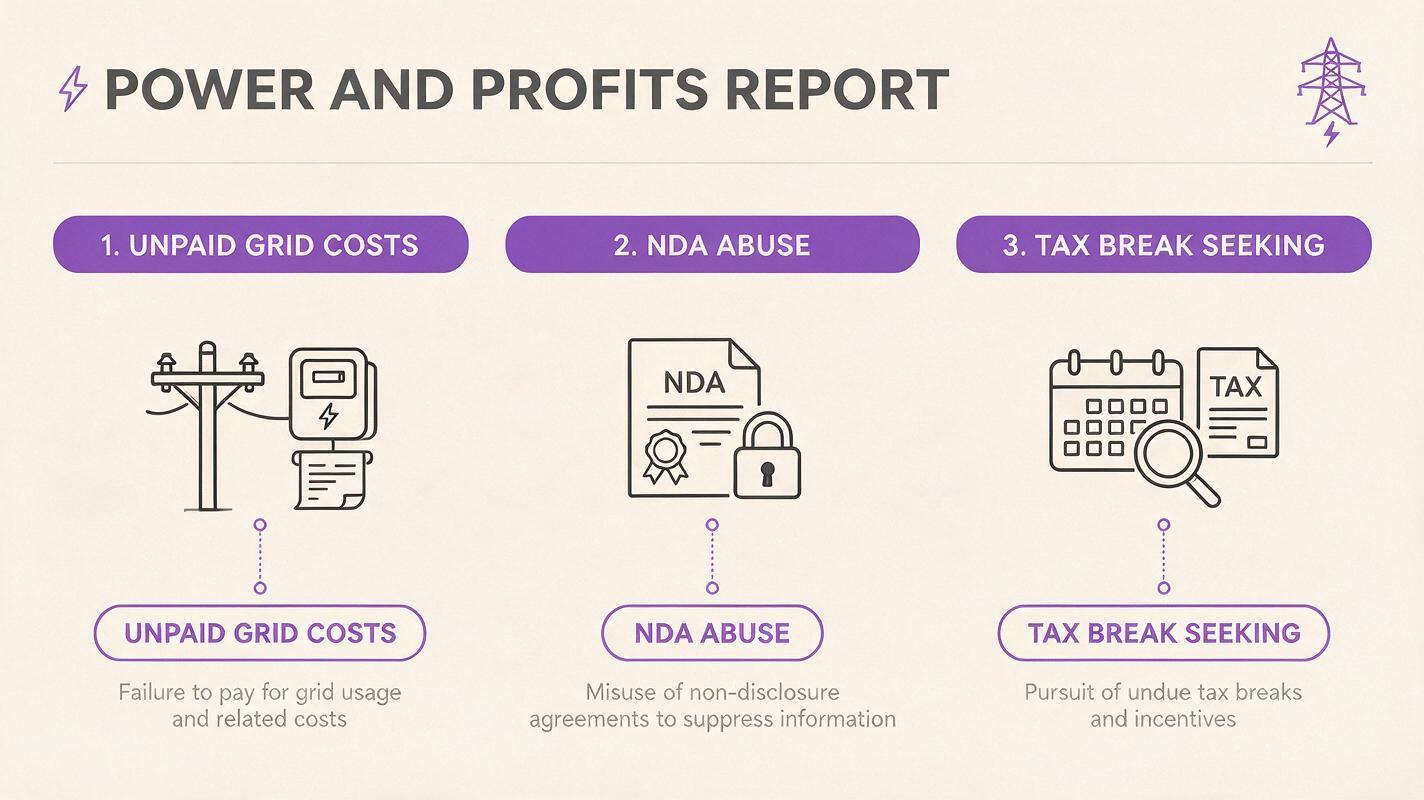
On October 9, 2026, Senators Elizabeth Warren, Richard Blumenthal, and Chris Van Hollen released a new report titled “Power and Profits” focused on the economic practices of large AI data center operators. The report, published via Warren’s official newsroom, levels three core allegations against the industry’s biggest players: that they are not paying their full share of electrical grid costs, that they abuse non-disclosure agreements to obscure their operational and financial practices, and that they are seeking excessive tax breaks and public subsidies while driving massive new demand for public infrastructure.
The report adds to growing regulatory scrutiny of the AI sector’s infrastructure footprint, as data centers supporting large language models, image generation tools, and video synthesis systems consume increasing amounts of energy and local resources. While the report does not name specific companies in its top-line allegations, it references the small group of cloud and AI giants building out the majority of large-scale AI compute facilities across the United States.
Key Allegations in the Report
Unpaid Grid Cost Contributions
One of the report’s central claims is that major AI data center operators are not covering the full cost of the grid upgrades and capacity expansions required to support their facilities. As AI compute demand surges, local utilities and grid operators often need to build new transmission lines, substation capacity, and even new power generation assets to meet the load from large data centers. The report argues that these costs are being passed on to residential and small business ratepayers, rather than being fully borne by the AI companies driving the new demand.
NDA Abuse and Lack of Transparency
The report also alleges that AI data center operators routinely use overly broad non-disclosure agreements with local governments, utilities, and community stakeholders. These NDAs, according to the senators, prevent the public from accessing critical information about data center energy use, tax incentives, and environmental impacts. This lack of transparency makes it difficult for communities to evaluate the costs and benefits of hosting large AI facilities, and obscures the true economic impact of the AI boom on local public services.
Tax Break and Subsidy Seeking
Finally, the “Power and Profits” report claims that AI data center giants are actively seeking and receiving large tax breaks and public subsidies at the state and local level, often without clear requirements for job creation or community benefit. The senators argue that these subsidies reduce public revenue that could be used for schools, healthcare, and other public services, while the companies receiving them generate record profits from AI compute services.
What This Means for AI Content Creators
While the report focuses on infrastructure-level policy and corporate practices, its findings have direct implications for independent creators, small studios, and content teams relying on cloud-based AI tools. AI content creation — especially compute-intensive work like running an ai video generator or processing large batches of image assets — depends on affordable, reliable access to data center compute resources. Any shift in the cost structure or regulatory landscape for AI data centers could eventually trickle down to the tools creators use every day.
One immediate concern is cost predictability. If regulators force data center operators to pay a larger share of grid costs, or if local tax breaks are rolled back, AI compute providers may pass those increased costs on to end users in the form of higher API pricing, reduced free tiers, or slower service tiers. For creators building long-term ai image generator or video production pipelines, sudden price hikes can derail project budgets and make it hard to plan for recurring content needs.
Transparency is another issue. The report’s claims about widespread NDA abuse align with broader creator frustration around opaque AI tool pricing, uptime guarantees, and service changes. When providers don’t disclose clear information about their infrastructure costs or operational practices, creators have little way to anticipate outages, price changes, or feature cuts that could disrupt their work.

Building Stable AI Workflows Amid Infrastructure Uncertainty
For creators who rely on AI tools as core parts of their production process, the report’s findings highlight the importance of building flexible, portable ai workflow setups that aren’t tied to a single provider or model. Relying on one platform for all your compute needs leaves you vulnerable to sudden price increases, service disruptions, or regulatory changes that impact that specific provider’s data center footprint.
Multi-model platforms like MagicBoat help mitigate this risk by aggregating dozens of AI tools and models under a single account, so you can switch between providers and tools without rebuilding your entire production pipeline. If one model’s pricing increases due to higher data center costs, you can test and adopt a comparable alternative with minimal disruption to your existing ai video workflow or content production schedule.
This kind of flexibility is especially valuable for creators working on long-form content, recurring social media series, or client projects with fixed budgets. By diversifying your toolset across multiple providers via a unified platform, you can lock in more predictable costs, reduce downtime risk, and avoid being locked into a single provider’s infrastructure decisions.
How to Insulate Your Creative Work From Cost Shifts
You don’t have to wait for regulatory changes to protect your content workflow from infrastructure-related cost increases or disruptions. A few proactive adjustments can help you build more resilience into your process, even as the AI infrastructure landscape shifts.
- Audit your tool stack: Track which AI tools you use most often, how much compute they consume, and what percentage of your budget they represent. This makes it easier to identify cost-saving alternatives if prices rise.
- Build portable assets: Save prompts, style guides, and project files in open, reusable formats so you can move them between tools without starting from scratch. This reduces switching costs if you need to adopt a new model or platform.
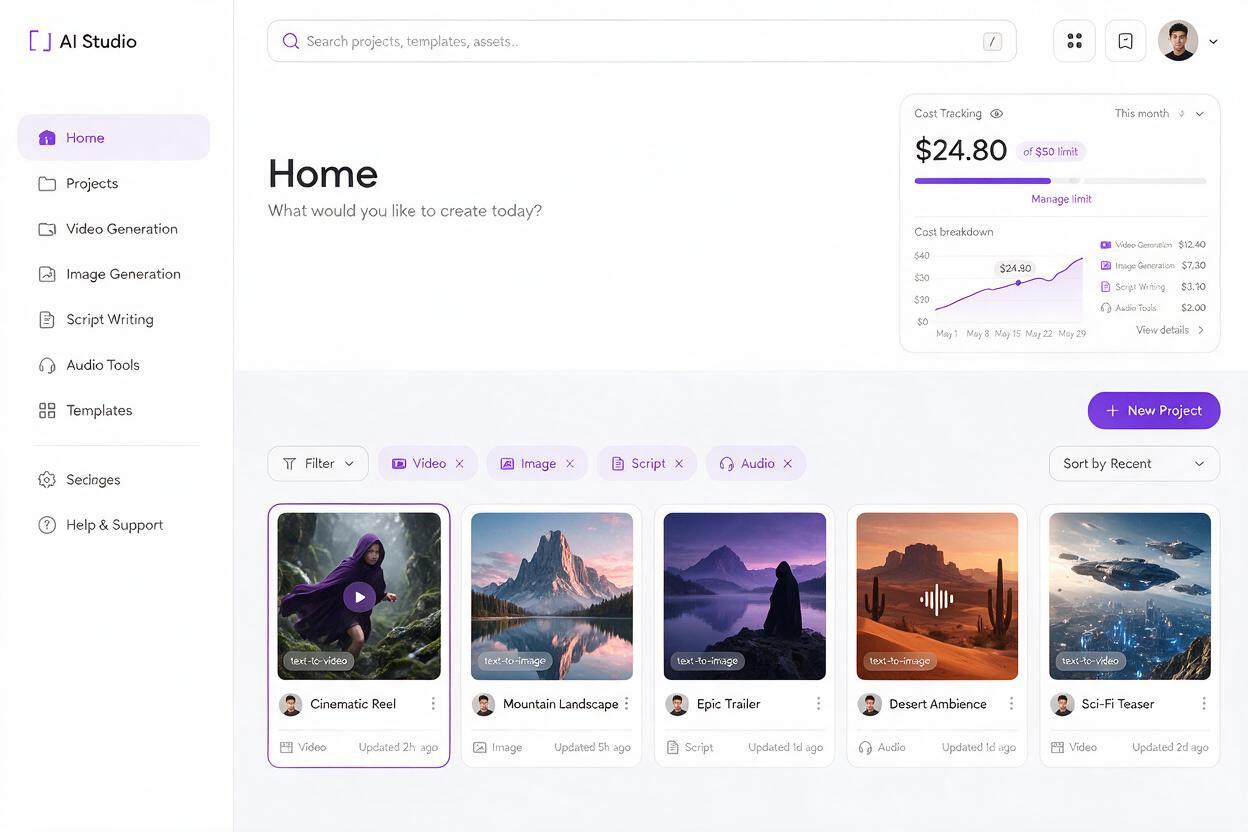
- Use a unified AI platform: Working with a platform that gives you access to multiple models and tools under one billing account simplifies cost tracking and makes it easy to test alternatives without signing up for dozens of separate services.
Key Takeaways
- The Senate’s October 2026 “Power and Profits” report alleges AI data center operators are not paying full grid costs, abusing NDAs, and seeking excessive tax breaks.
- These infrastructure practices could lead to higher AI tool costs and less transparency for content creators relying on cloud-based AI services.
- Compute-intensive work like AI video and image generation is most exposed to potential price shifts driven by data center cost changes.
- Building flexible, multi-tool workflows via unified platforms helps creators mitigate cost and availability risks from infrastructure market shifts.
- You can try these models for free on MagicBoat to build a more resilient, cost-stable AI content workflow.
Keywords
ai data center costs, ai workflow, ai video workflow, power and profits report, warren ai report, ai compute costs, ai infrastructure