Wild Horse Nine Opens to $6M as Martin McDonagh’s Best Debut
Searchlight’s Wild Horse Nine, directed by Martin McDonagh and starring John Malkovich and Sam Rockwell, opened to $6 million across 1,100 North American theaters — the best debut of McDonagh’s career — with a Venice Film Festival launch positioning it as an Oscar frontrunner. The release, paired with strong per-screen averages for limited titles Club Kid and I Play Rocky, highlights how platform release strategies build indie film buzz, a framework that translates directly to AI content creators validating original projects.
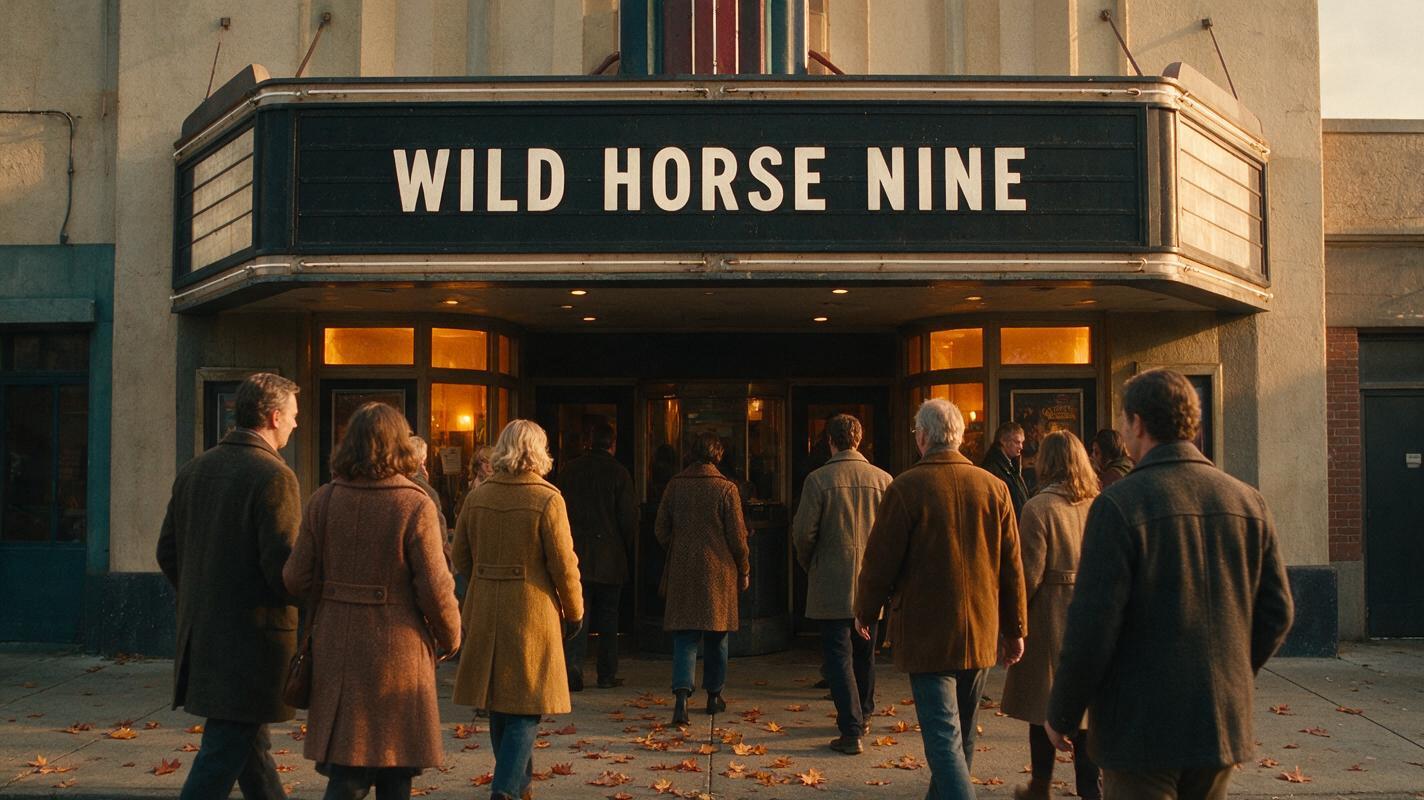
Table of contents
Wild Horse Nine’s Breakout Opening
Searchlight’s Wild Horse Nine, the latest darkly comedic drama from three-time Oscar-nominated director Martin McDonagh, has delivered the strongest opening of the filmmaker’s career, grossing $6 million across 1,100 North American theaters in its debut weekend. The film, starring John Malkovich and Sam Rockwell, launched out of the Venice Film Festival where it earned strong critical reviews, positioning it as an early Oscar frontrunner ahead of the 2027 awards season.
The opening theater count is roughly double what Searchlight initially planned for the film’s second weekend, a sign of strong early demand and positive word of mouth from preview screenings. Wild Horse Nine is set to expand further in the coming weeks as awards buzz builds.
The debut weekend also saw strong performance from two limited-release awards contenders. A24’s Club Kid grossed $390,600 across just 6 theaters, for a per-screen average of $65,100 — one of the highest per-screen openings of the year for an indie film. Amazon MGM’s I Play Rocky followed closely with $345,000 from 7 theaters, averaging $49,200 per screen. Both films are scheduled to expand to wider theatrical runs around the Thanksgiving holiday.
Distributors routinely use per-screen average metrics during awards season as a quality signal: strong per-screen numbers in limited release indicate core audience enthusiasm, which translates to better word of mouth and stronger ticket sales when the film expands to more markets.
Why the Platform Release Strategy Works
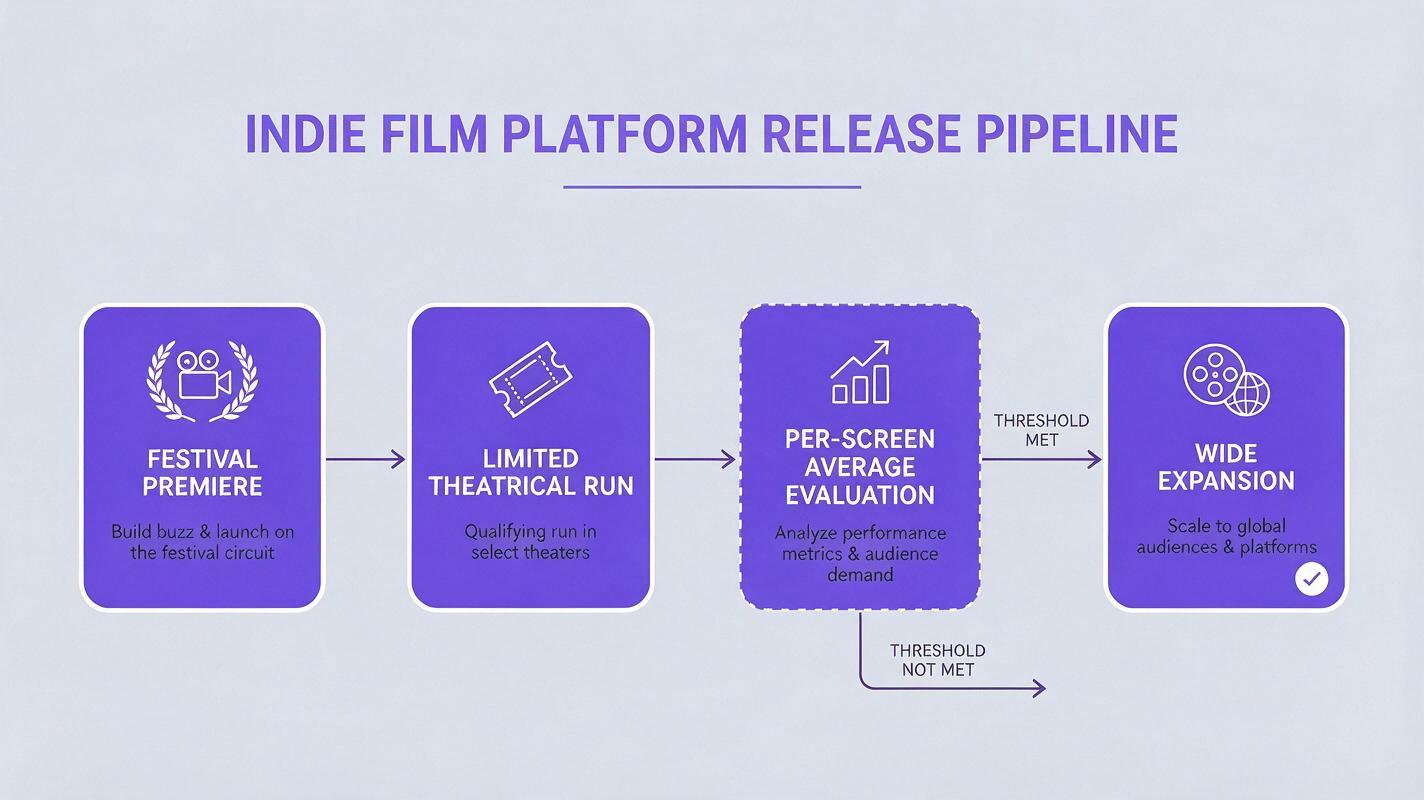
The platform release model — starting with a small, targeted theatrical run before expanding to wider markets — has long been a staple of indie and awards-focused film distribution. Unlike wide releases that rely on massive opening weekend marketing spends to drive immediate ticket sales, platform releases build momentum gradually, leaning on critical acclaim, festival buzz, and audience word of mouth to carry the film to larger audiences.
For Wild Horse Nine, the Venice premiere served as the first buzz-building step, earning early positive reviews that put the film on the radar of awards voters and dedicated film fans. The initial 1,100-theater run lets Searchlight test demand in mid-sized markets while keeping marketing costs relatively low, and the stronger-than-expected opening gives the studio confidence to invest in wider expansion and awards campaign spending.
The per-screen average metric is especially critical for limited releases because it strips out theater count as a variable. A $6 million opening from 1,100 theaters signals a different level of audience interest than the same gross from 3,000 theaters, and distributors use that data to decide how much to invest in further marketing and expansion.
What This Means for Independent AI Content Creators
The same platform release playbook that’s driving Wild Horse Nine’s success translates directly to independent creators working with AI film and short-form content. Just as indie studios test demand with limited theatrical runs before scaling, AI creators can use phased rollouts to validate their concepts and build buzz before investing in full-scale production.
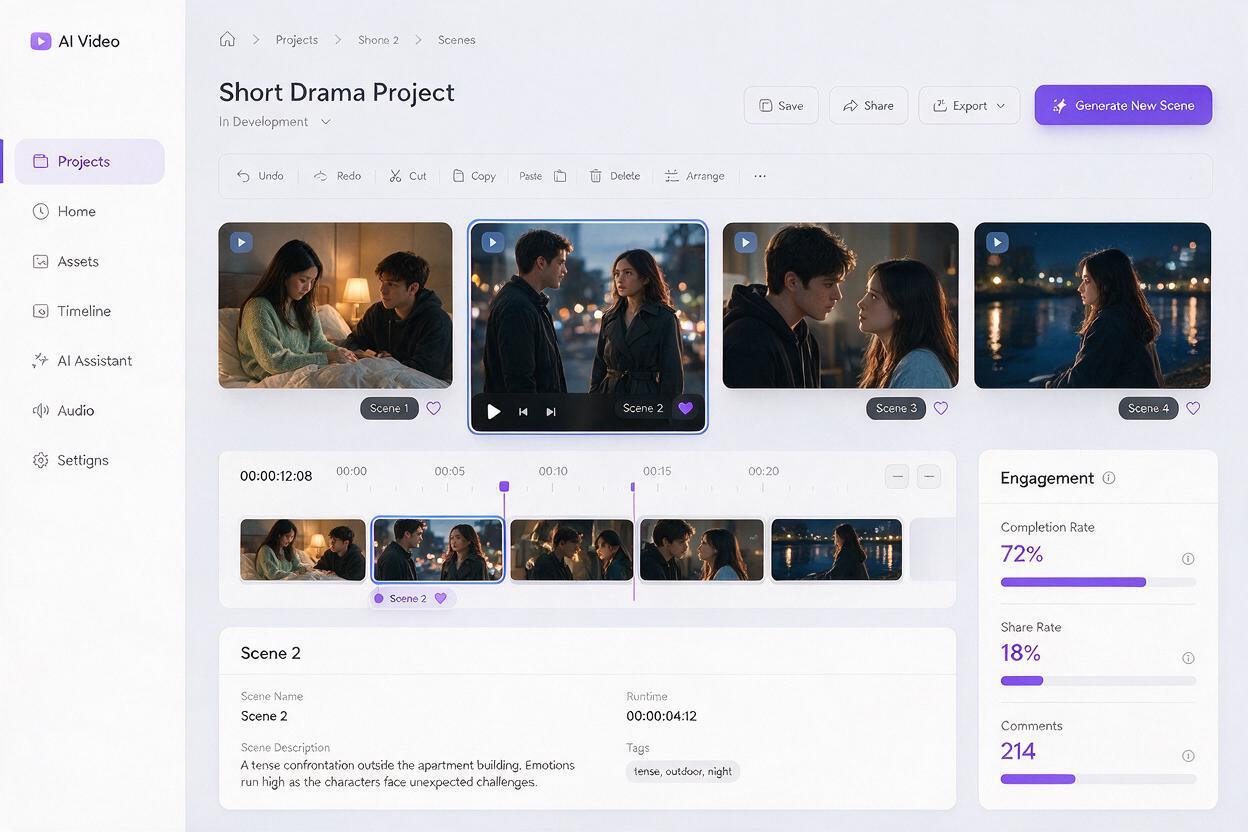
For creators looking to test a concept quickly, text to video tools let you produce a proof-of-concept short in hours instead of months, so you can validate audience demand before investing in a full series. A 2-3 minute pilot episode or scene clip released to a targeted niche audience serves the same purpose as a limited theatrical run: it lets you measure core audience engagement (completion rate, share rate, comment sentiment) as your digital "per-screen average" to gauge if the concept resonates.
This approach reduces risk significantly: instead of spending weeks or months producing a full 10-episode series that might not connect with viewers, you can test your core premise with a small release, iterate based on feedback, and only scale up if you see the kind of engagement numbers that justify further investment.
Applying Indie Film Buzz Tactics to Your AI Workflow
You don’t need a studio marketing budget to use platform release strategies for your AI content. These actionable tactics mirror the playbook Searchlight is using for Wild Horse Nine, adapted for independent creators:
- Start small to validate: Release a short proof-of-concept or first episode to a targeted niche community — think Reddit groups, TikTok niche hashtags, or AI film showcases — instead of dropping all your content at once to a broad audience. Track completion rate and share rate as your core success metrics, just as distributors track per-screen averages.
- Leverage community and festival buzz: Submit your short AI work to indie film festivals, AI art showcases, or niche online competitions to build social proof before a wider rollout. A festival selection or award serves the same purpose as Wild Horse Nine’s Venice premiere: it signals quality to potential viewers and gives you a hook for promotional content.
- Scale based on signal, not schedule: Just as Searchlight doubled the planned theater count early due to strong demand, expand your content output (more episodes, longer runtimes, wider distribution) only when you have clear engagement data backing it up. Don’t stick to a rigid pre-planned release schedule if your initial numbers show your concept isn’t resonating — iterate first, then scale.
- Lean into your creator track record: If you have a prior hit project, highlight it in your promotional materials. McDonagh’s name drove initial ticket sales for Wild Horse Nine, and your existing audience will show up for new work from a creator they trust.
For creators building a full serialized project, ai short drama tools streamline everything from script drafting to scene generation, so you can move from validated concept to full episode in a fraction of the time of traditional production.

Key Takeaways
- Martin McDonagh’s Wild Horse Nine opened to $6 million across 1,100 North American theaters, marking the director’s best box office debut to date.
- Limited release titles Club Kid and I Play Rocky posted strong per-screen averages, a key awards-season quality signal for distributors planning wider expansions.
- Platform release strategies — small targeted launches, buzz building, and data-driven expansion — work as well for AI content creators as they do for indie film studios.
- Phased rollouts let you validate audience demand early, reducing risk before investing in full-scale production of a series or feature.
Ready to test your own film concept with AI-powered tools? try these models for free to build a proof-of-concept short in minutes, and use the same platform release tactics that made Wild Horse Nine a breakout hit.
Keywords
wild horse nine, martin mcdonagh, box office debut, oscar frontrunner, ai film, ai content creation, platform release strategy