Willow Quantum Chip Revives Bitcoin Crack Debate
The reported emergence of the Willow quantum chip has reignited longstanding debate over whether quantum computing could eventually compromise Bitcoin's cryptographic security. While key details about the chip remain unconfirmed in initial October 2026 reports, the discussion highlights broader security implications for digital assets, content provenance, and creative workflows that rely on blockchain technology.
Table of contents
Background of the Willow Quantum Chip Debate
On October 17, 2026, new reports emerged that the Willow quantum chip has reignited longstanding public debate over whether quantum computing could eventually crack Bitcoin's underlying cryptographic security. The initial headline-only report did not include core details about the chip, including its developer, qubit count, performance benchmarks, release timeline, or current stage of development.
The debate around quantum computing and Bitcoin centers on the cryptographic algorithms that secure the Bitcoin network. Bitcoin relies on SHA-256 hashing for block mining and the Elliptic Curve Digital Signature Algorithm (ECDSA) to verify transaction signatures and control wallet access. While current quantum computers lack the scale and fault tolerance required to break these algorithms, theoretical research has long suggested that a sufficiently advanced quantum computer could potentially compromise ECDSA, putting unspent Bitcoin at risk. The Willow chip report has brought this long-discussed scenario back into mainstream tech discourse, even amid limited confirmed details about the hardware itself.
Why This Matters for Digital Asset Security
While the immediate practical implications of the Willow chip report remain unclear, the debate it has sparked extends far beyond Bitcoin alone. Nearly all modern digital security systems — from encrypted messaging and cloud storage to blockchain networks and digital identity tools — rely on public-key cryptography algorithms that could be vulnerable to future advances in quantum computing.
For digital asset holders and creators, this raises questions about the long-term security of blockchain-based tools used for content provenance, NFT ownership, royalty distribution, and copyright registration. Many of these systems use the same or similar cryptographic algorithms as Bitcoin, meaning they would face similar risks if large-scale fault-tolerant quantum computing becomes a reality.
What This Means for AI Content Creators
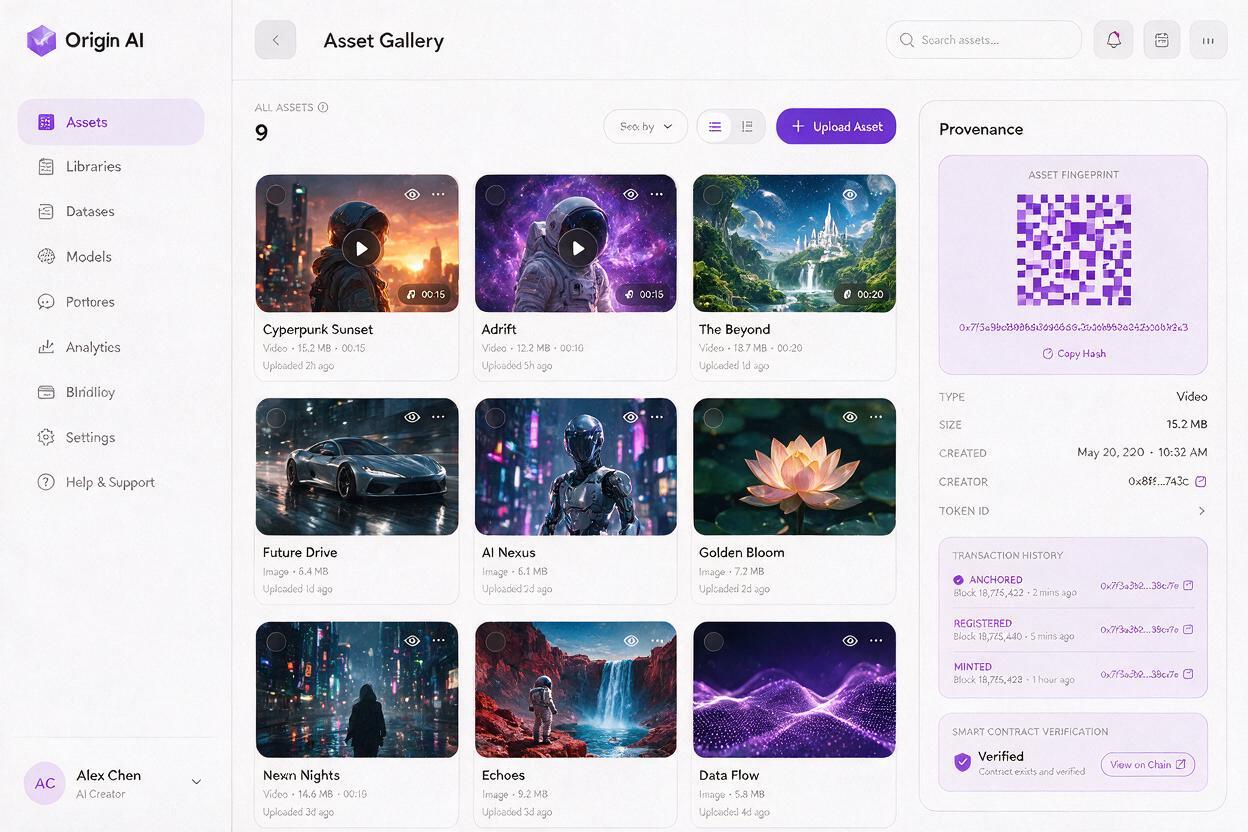
AI content creators are increasingly integrating blockchain technology into their workflows, making the quantum security debate relevant to how they protect and monetize their work. Common use cases include registering AI-generated assets on blockchain for provenance tracking, selling AI art and video clips as NFTs, and using smart contracts to automate royalty payments for content used across platforms.
It is important to note that current quantum computing capabilities are not believed to pose an immediate threat to these systems. Even so, the Willow chip debate serves as a reminder of the importance of building flexible, adaptable creative workflows that prioritize asset ownership and portability. Creators can also leverage AI tools to create educational content about quantum computing, cryptocurrency security, and the evolving intersection of technology and digital rights. For example, an ai video generator can turn complex technical explainers into engaging short-form videos, while image to video tools can animate static concept art of quantum hardware and blockchain networks to bring educational content to life.
Building Resilient Creative Workflows
As both AI and quantum computing continue to evolve, creators benefit from working with platforms that offer flexibility, control, and access to a diverse set of tools. A multi-model AI platform eliminates reliance on a single provider, making it easier to adapt to changing industry trends, security standards, and tool availability.
MagicBoat provides a full suite of AI content creation tools under one account, from image and video generation to scriptwriting, music production, and lip-syncing. All content created on the platform belongs to the creator, with full export capabilities to ensure assets remain portable and manageable across different storage and distribution systems. Whether you're creating educational content about emerging tech or building a portfolio of original AI-generated assets, you can try these models for free to build a workflow that fits your needs.
Key Takeaways
- The Willow quantum chip report, first reported on October 17, 2026, has revived longstanding debate about quantum computing's potential to crack Bitcoin's cryptographic security, though core details about the chip remain unconfirmed.
- The discussion has broader implications for all digital security systems relying on public-key cryptography, including blockchain tools used by creators for content provenance, NFT ownership, and royalty management.
- AI creators can use multi-model platforms to build flexible, secure workflows and to create educational content about emerging technology trends like quantum computing.
Keywords
willow quantum chip, bitcoin crack debate, quantum computing, ai news, ai tools, content provenance, digital asset security