News
Discover the latest from MagicBoat
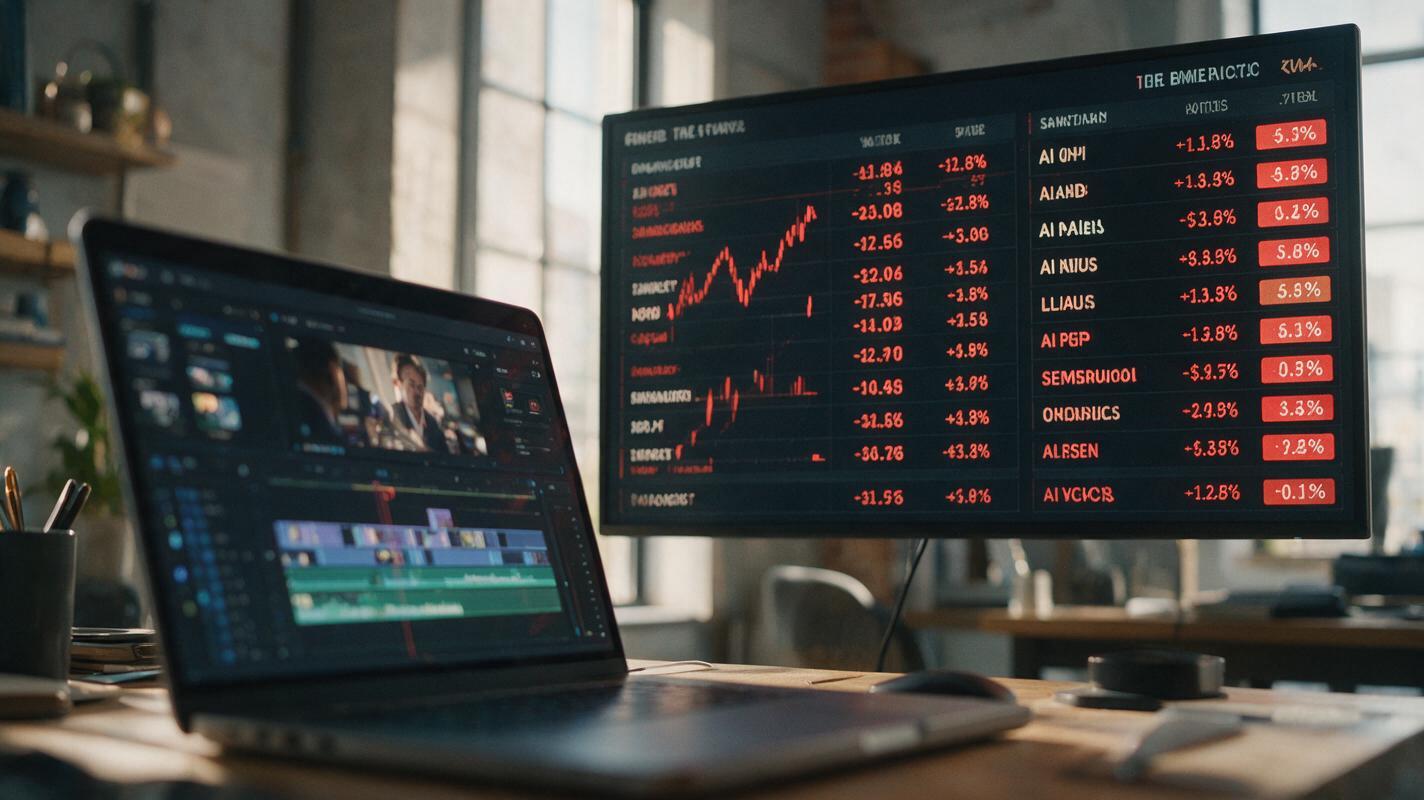
US AI Stocks Enter Correction After Sharp Nov 16 Selloff
On November 16, 2026, U.S. AI stocks sold off sharply, pushing the Nasdaq Composite into correction territory more than 10% below its October 6 high, with semiconductor stocks leading declines across the sector. The pullback was driven by three key catalysts: a new BIS chip export rule, lingering fallout from Nvidia CEO Jensen Huang's resignation, and de-risking ahead of Nvidia's November 17 earnings report. For AI content creators, the volatility underscores the value of diversified, multi-model creative workflows that reduce reliance on any single provider.
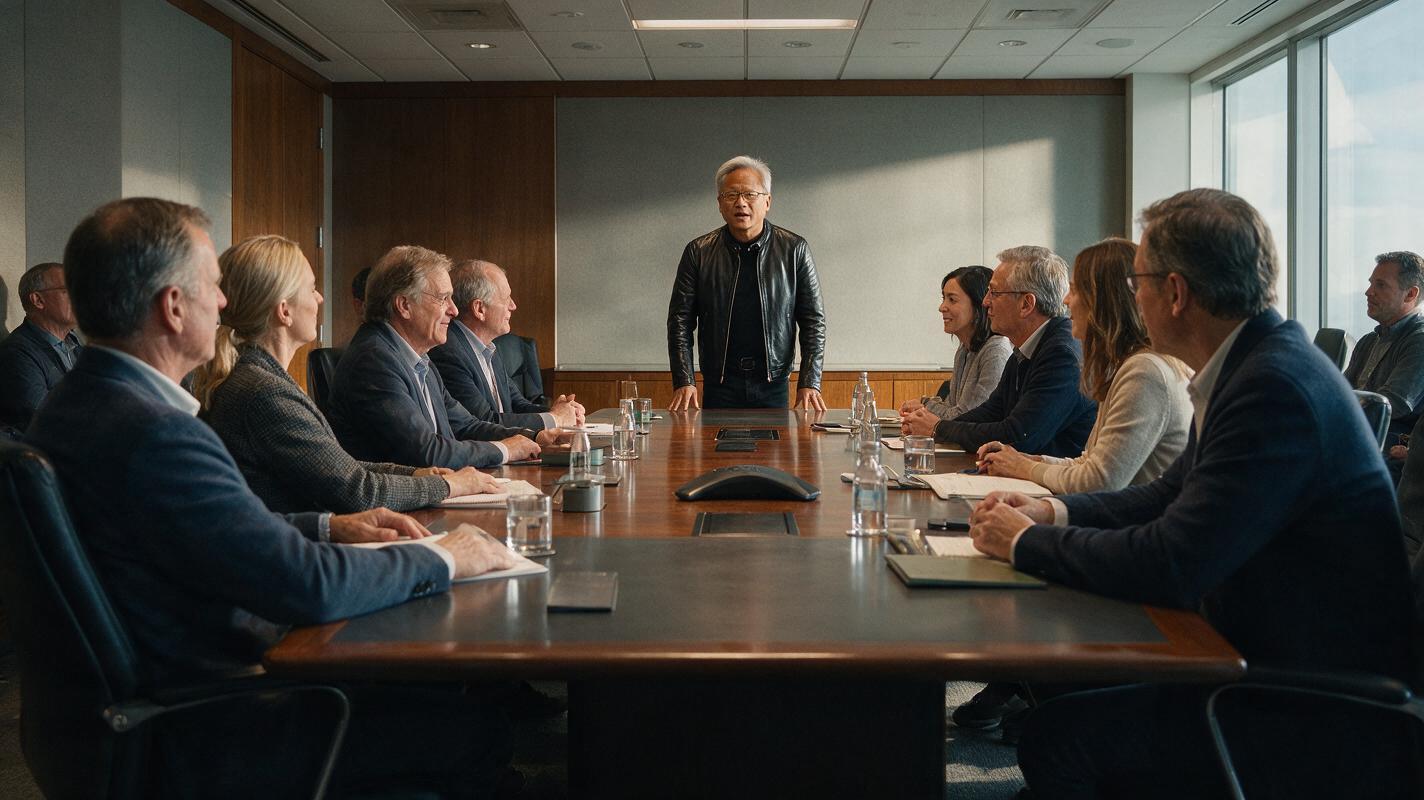
Nvidia Board Prepared to Remove Jensen Huang Before His Resignation
Reports said Nvidia’s board was preparing to remove Jensen Huang before his resignation, raising questions about governance, leadership continuity and AI infrastructure risk.
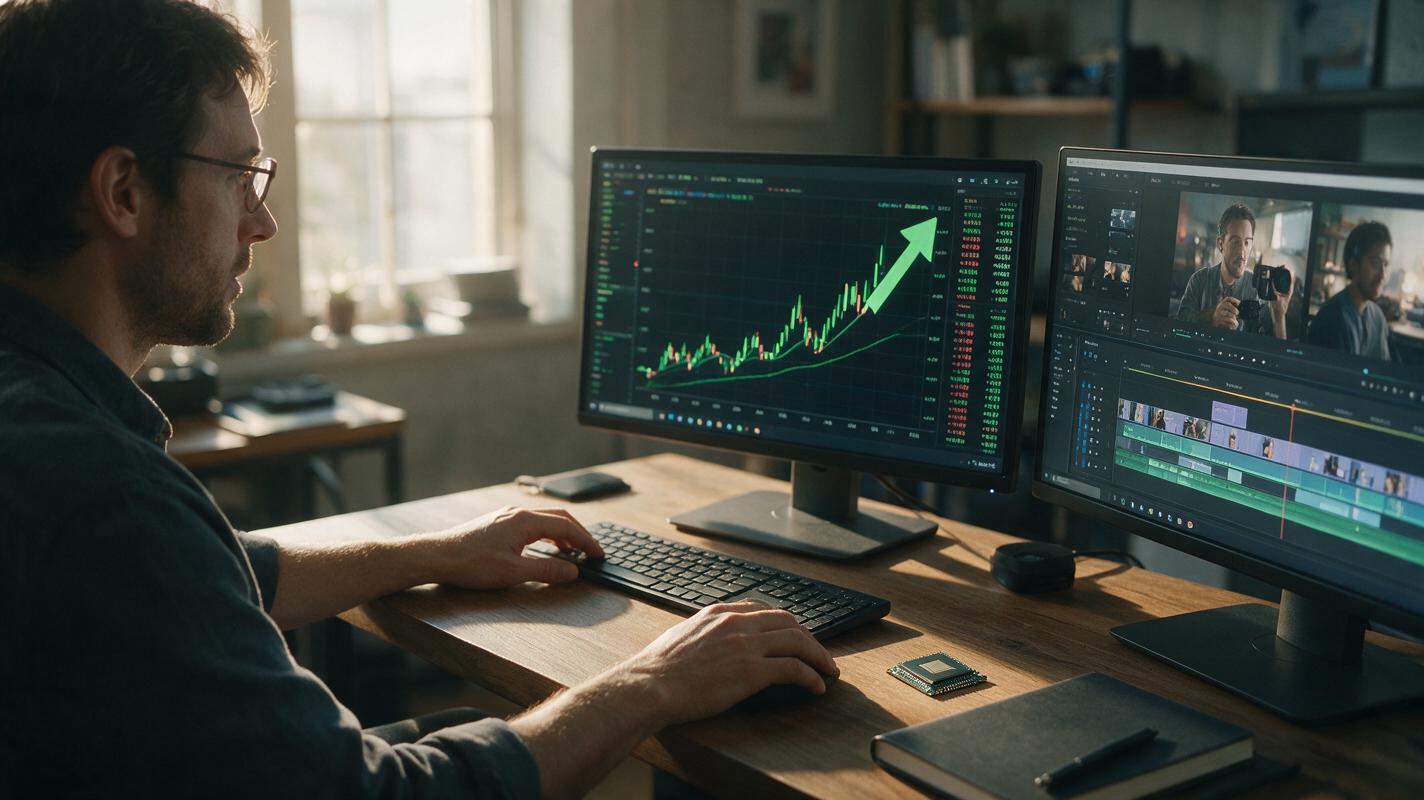
US Stocks Rebound Nov 11: Semis Lead AI Earnings-Driven Rally
U.S. stocks closed higher on November 11, 2026, with the Philadelphia Semiconductor Index surging 5.66% and AI infrastructure names like CoreWeave and Nebius posting double-digit gains, even as Microsoft and Meta fell. The rebound was driven by strong corporate earnings and AI IPO demand rather than rate expectations, with October CPI data still pricing in a December rate hike. The rally signals ongoing investment in AI infrastructure that underpins the tools creators use daily.
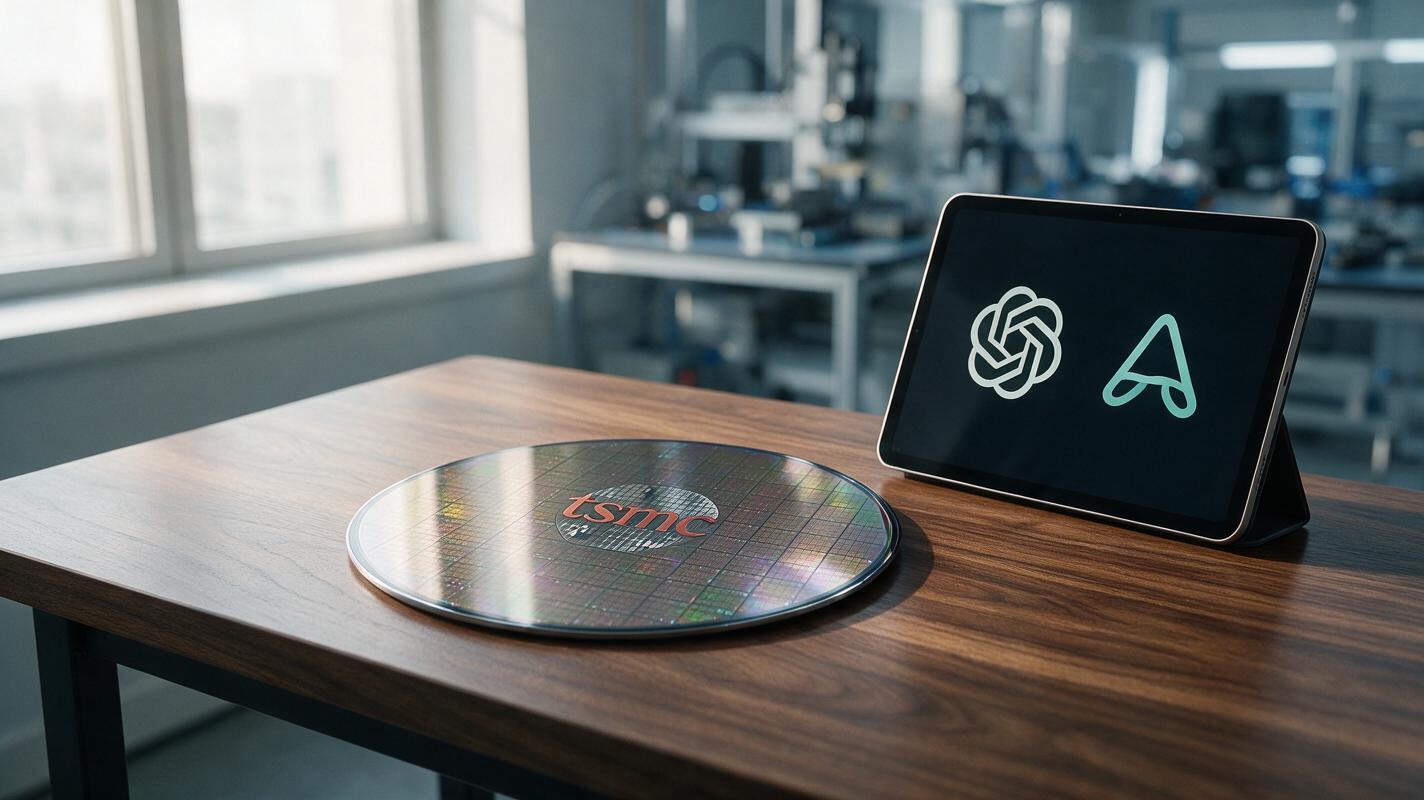
TSMC Approves $1B OpenAI, Anthropic Investment Amid AI Chip Boom
TSMC’s board has approved up to $1 billion in combined investments in leading AI labs OpenAI and Anthropic, split evenly between OpenAI preferred stock and Anthropic IPO shares. The move comes as the chip foundry reports six consecutive record-profit quarters driven by AI chip demand, and highlights growing circular ties between semiconductor suppliers and AI model developers. For AI video and image creators, the investment signals long-term compute supply stability but also underscores the value of multi-model platforms to navigate shifting industry dynamics.
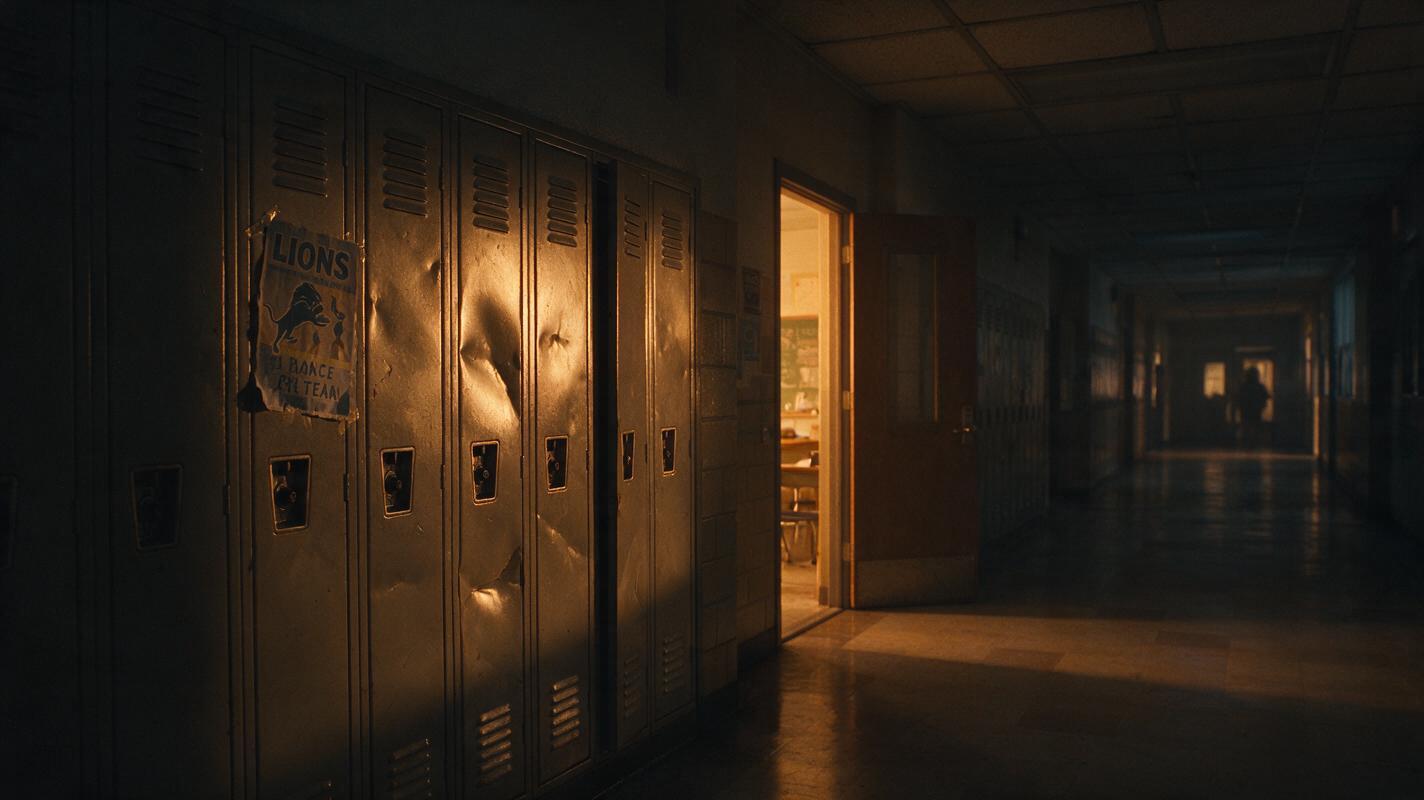
Netflix’s The Body Launches: Quinn Shephard’s Catholic School Horror Series
Netflix launched the eight-episode horror mystery series The Body on November 11, created by Under the Bridge showrunner Quinn Shephard and set at a 2004 Catholic girls’ high school. The series follows a dance team’s unraveling after a Halloween prank gone wrong, with The Hollywood Reporter judging its eight-hour ambition greater than its results. This article breaks down the series’ premise, critical takeaways, and actionable lessons for independent AI content creators building character-driven horror and short drama projects.
SGLang Consortium Forms As llama.cpp Hits 1.0.0 Milestone
On November 16, 2026, the SGLang Consortium was announced alongside the official 1.0.0 release of the llama.cpp inference framework, marking a key milestone for open-source AI inference. This roundup explores what the announcement means for AI content creators, including potential benefits like lower tool costs, broader model support, and reduced vendor lock-in. It also explains how unified multi-model platforms like MagicBoat help creators build resilient, flexible creative workflows.
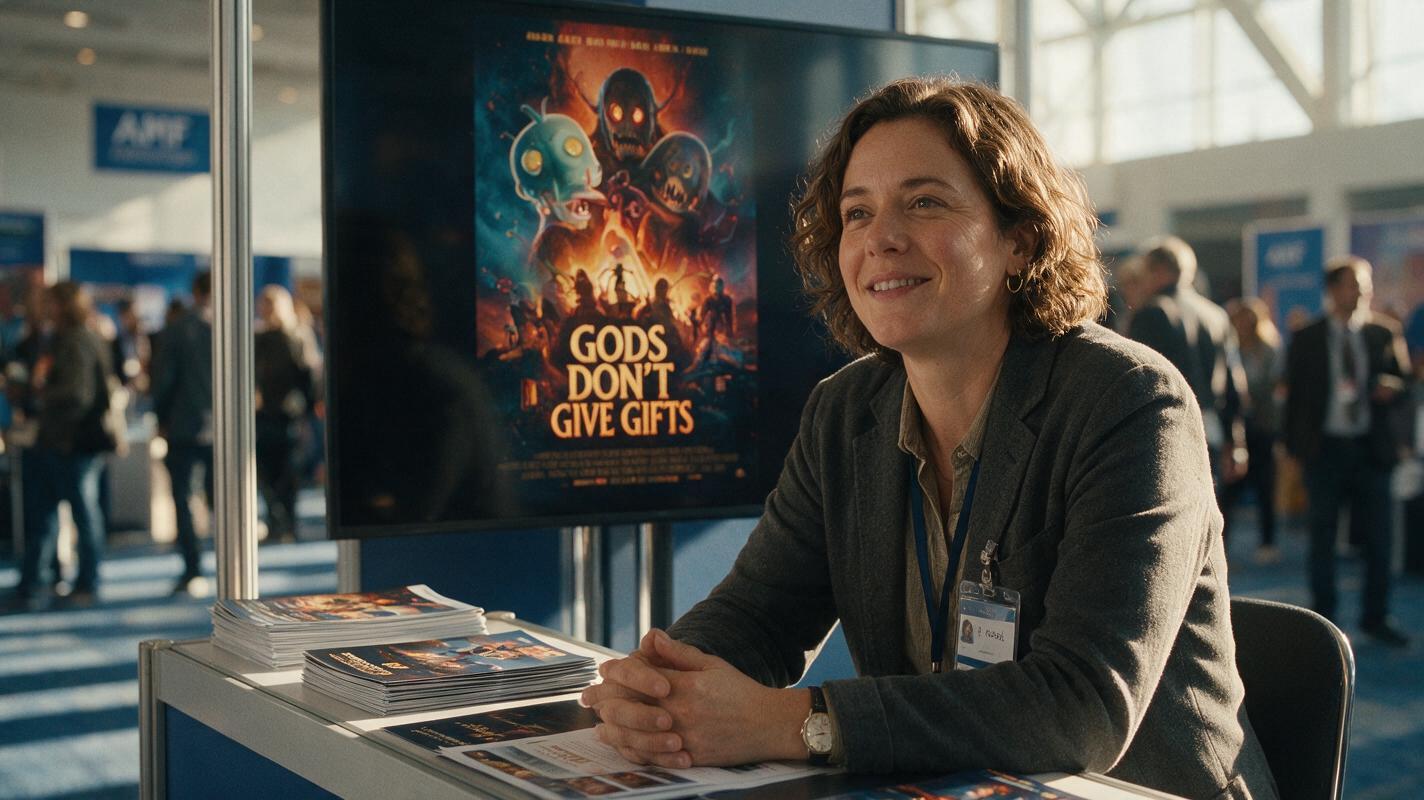
Gods Don’t Give Gifts: First AI Feature on AFM Sales Slate
The 2026 American Film Market’s sales slate includes “Gods Don’t Give Gifts,” the first AI-generated animated feature to be offered for international sale by a mainstream sales outfit, AGC International. Helmed by YouTube creator Zack London (Gossip Goblin), the sci-fi horror epic appears alongside big-budget game IP adaptations like A24’s $175M–$200M Elden Ring. The milestone signals growing acceptance of AI-made film projects in traditional distribution pipelines, with key lessons for independent AI content creators.
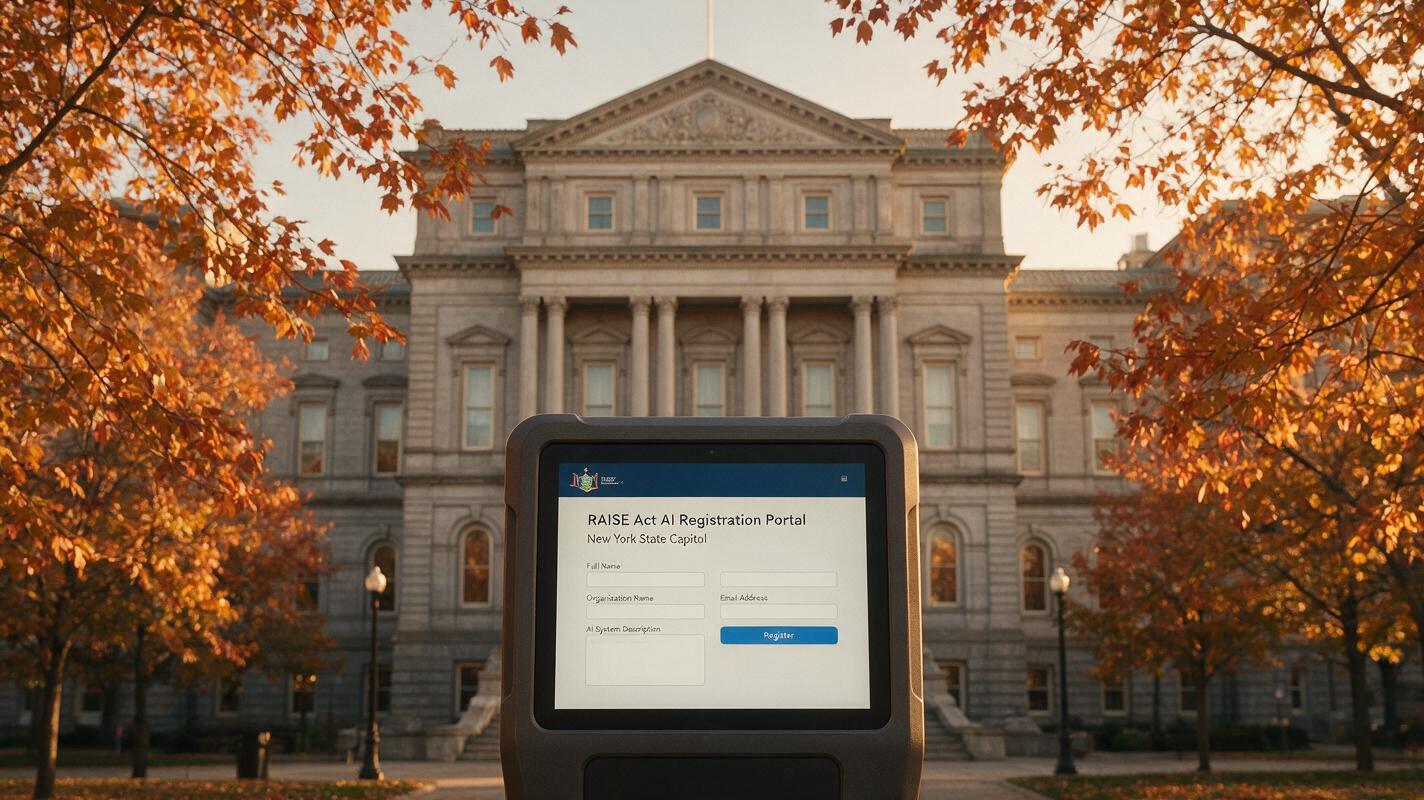
New York Opens RAISE Act Registration for Frontier AI Developers
New York has opened registration for the Responsible AI Safety and Education Act (RAISE Act), requiring frontier AI developers with over $500 million in annual revenue to register before the law takes effect on January 1, 2027. The mandate applies to major platforms including OpenAI, Anthropic, Google, Meta and Microsoft, with requirements for public safety frameworks, 72-hour incident reporting and transparency reports. The new regulation creates clearer guardrails for AI development while adding operational obligations for platforms serving content creators and businesses.
Sierra and Meta Launch Poppy v1.0 Personal-Agent Protocol
On November 16, 2026, Sierra and Meta jointly launched Poppy v1.0, a personal-agent protocol, marking a new entrant in the fast-growing AI agent standardization space. While specific technical details and feature sets have not yet been disclosed, the launch signals growing industry investment in interoperable agent infrastructure. For AI content creators, the protocol could eventually streamline multi-tool workflows, though unified platforms like MagicBoat provide immediate workflow benefits today.

Netflix Top 10: Taken: Natalee Holloway Leads With 12.9M Views
Netflix’s Nov. 2–8 chart placed Taken: Natalee Holloway at No. 1 among English-language series with 12.9 million views, while A Dog’s Perfect Christmas led English-language films with 8.6 million. The results highlight simultaneous audience demand for true crime, returning scripted series and early holiday programming.
Microsoft 365 Outage Ends After 36+ Hours and 7.4M Reports
The Microsoft 365 outage ended after more than 36 hours and generated 7.4 million Downdetector reports, highlighting the importance of service resilience for AI-assisted content production.

Fireworks AI Cyberattack Confirmed: Notion Breached, United Blocks AI Agents
Inference provider Fireworks AI confirmed a November 2026 cyberattack that exposed billing data, model weights, and customer datasets, marking its second major breach in two months. Notion was among the affected customers, with fewer than 1% of workspaces impacted by stolen AI Insights chat transcripts, while United Airlines separately announced it is blocking unauthorized third-party AI agents from its booking systems. The incidents highlight growing security risks in the AI industry and the value of secure, multi-model platforms for content creators.