Blog
Discover the latest from MagicBoat
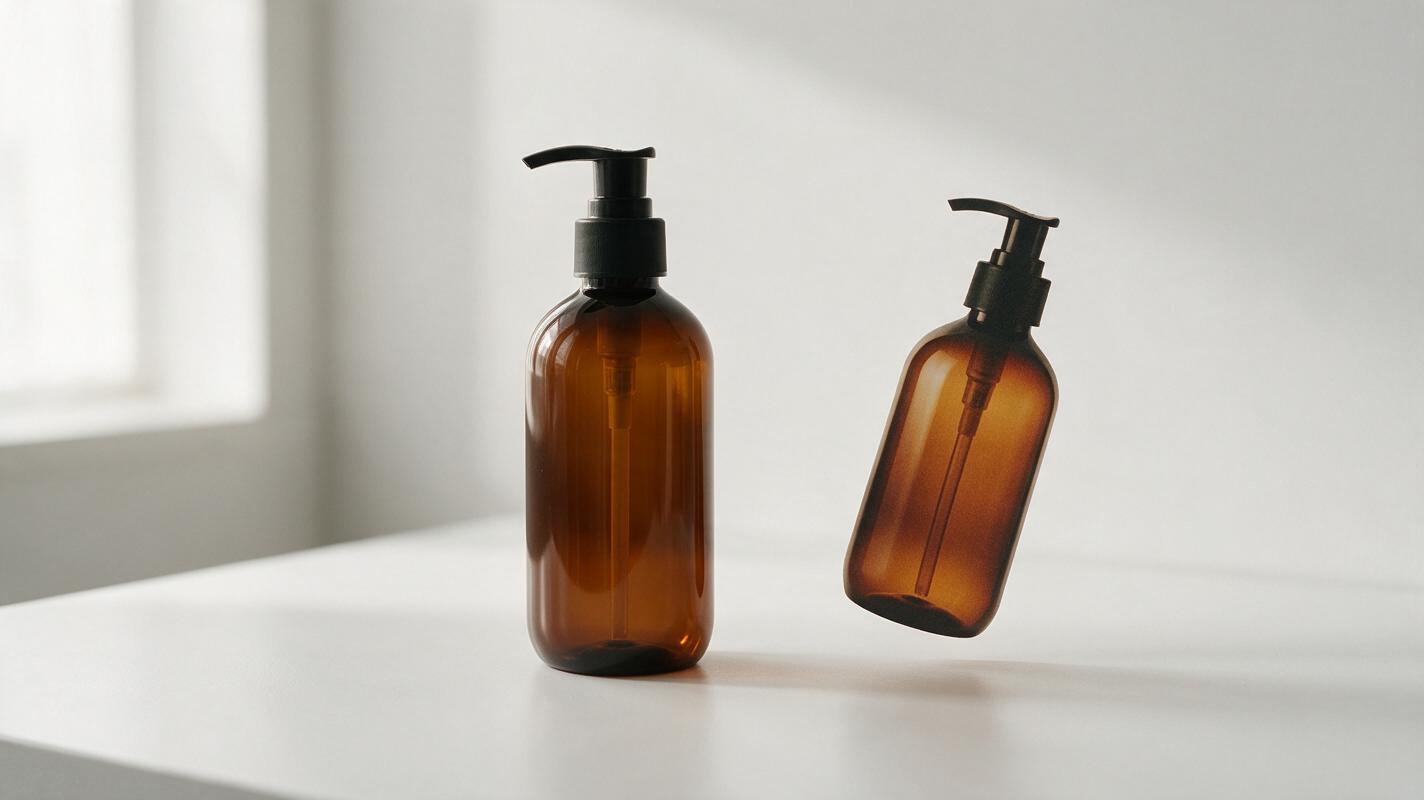
Why Your Amazon Product Photo Looks Like It’s Floating—and How to Fix It
A product can be cleanly cut out and still look wrong on a white listing image if its contact shadow disappears. This guide shows Amazon sellers how to restore a believable shadow while keeping the photographed product intact and the background suitable for the listing.
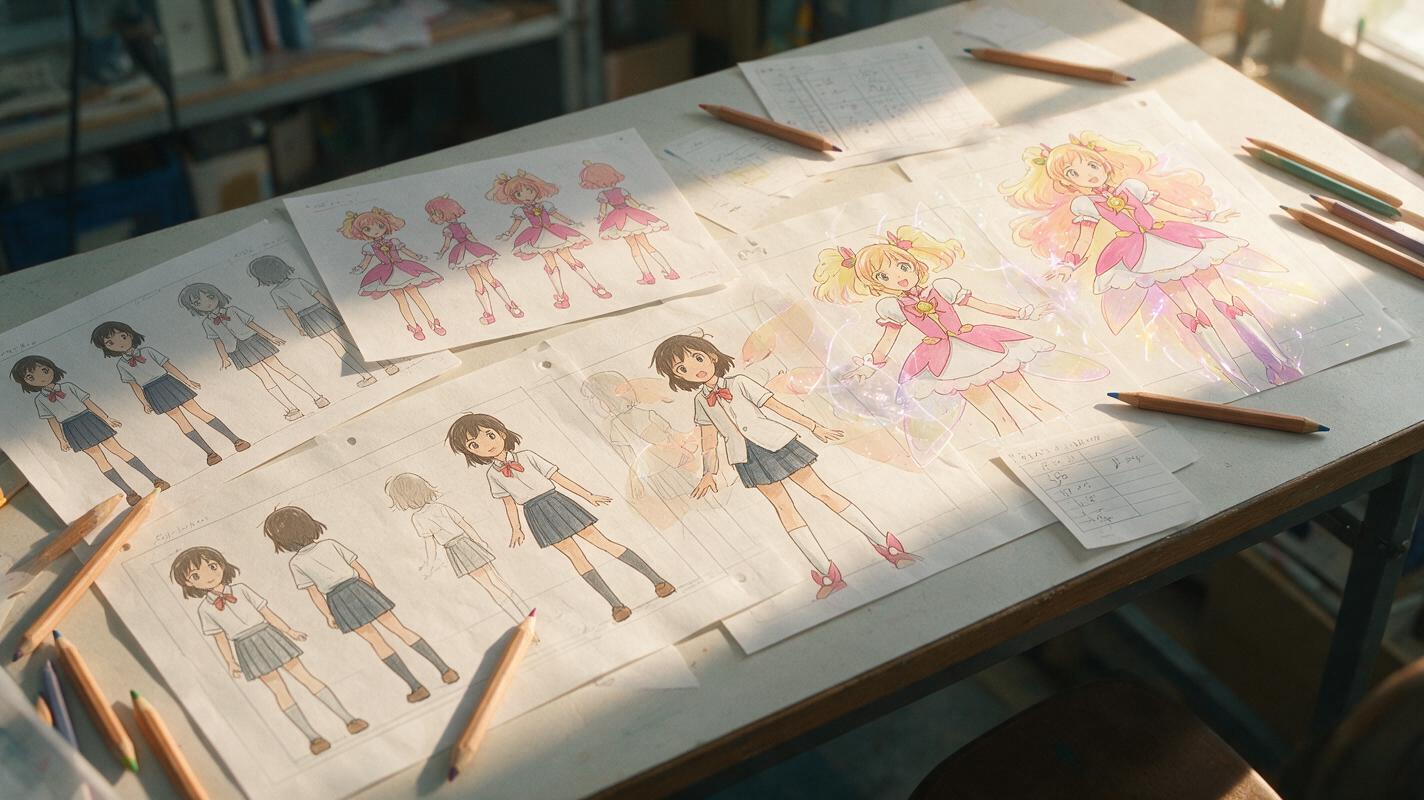
PixVerse Prompts for Stable Anime Transformation Sequences
Create anime transformation clips without losing the character’s face, costume logic, or silhouette. These PixVerse prompt patterns divide the change into readable visual beats and show how to diagnose identity drift, premature costume changes, and chaotic effects.
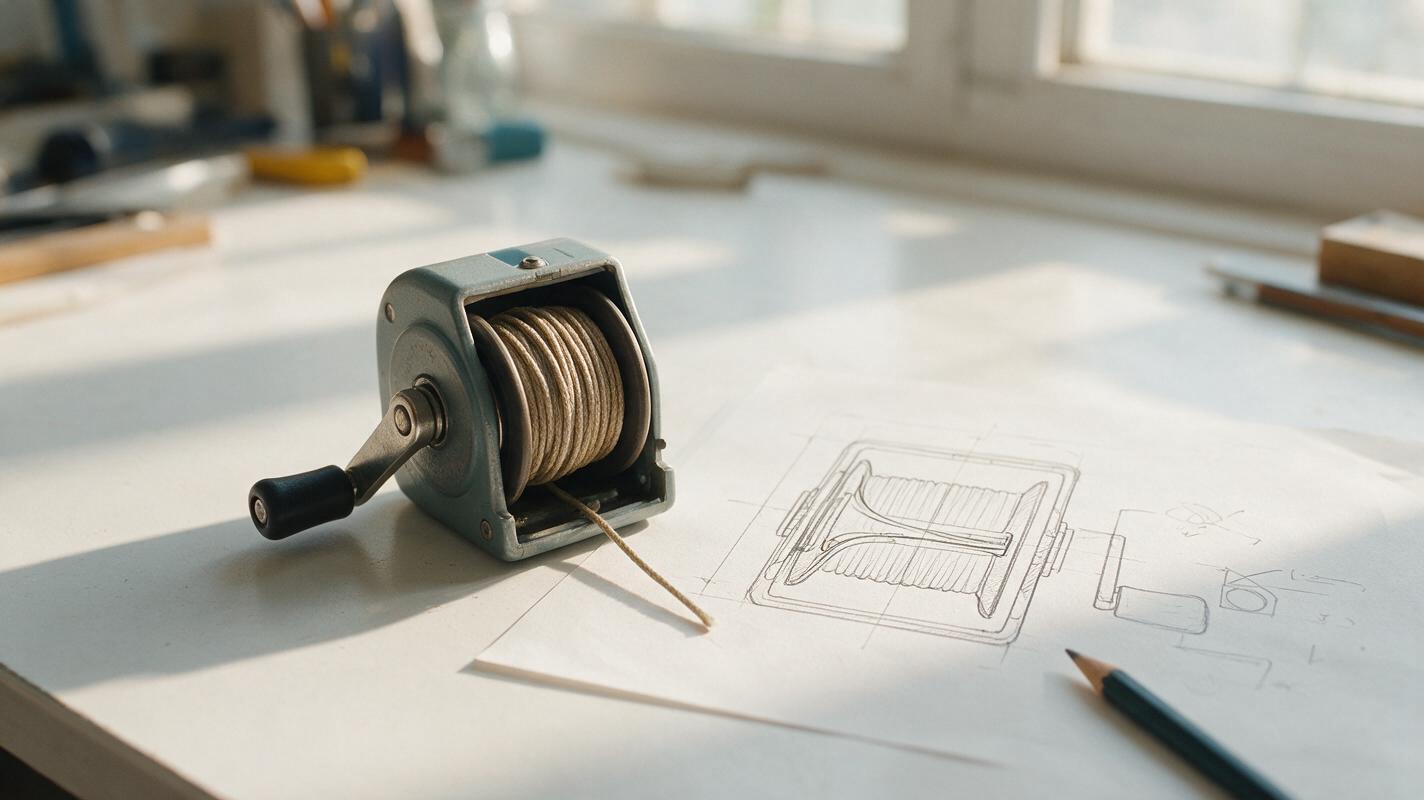
Seedream 4.5 Prompts for Cutaway Diagrams in YouTube Explainers
Create cutaway visuals that help viewers understand what is happening inside an object or process. These Seedream 4.5 prompts focus on clear shapes, controlled revisions, and editor-added labels rather than decorative detail.
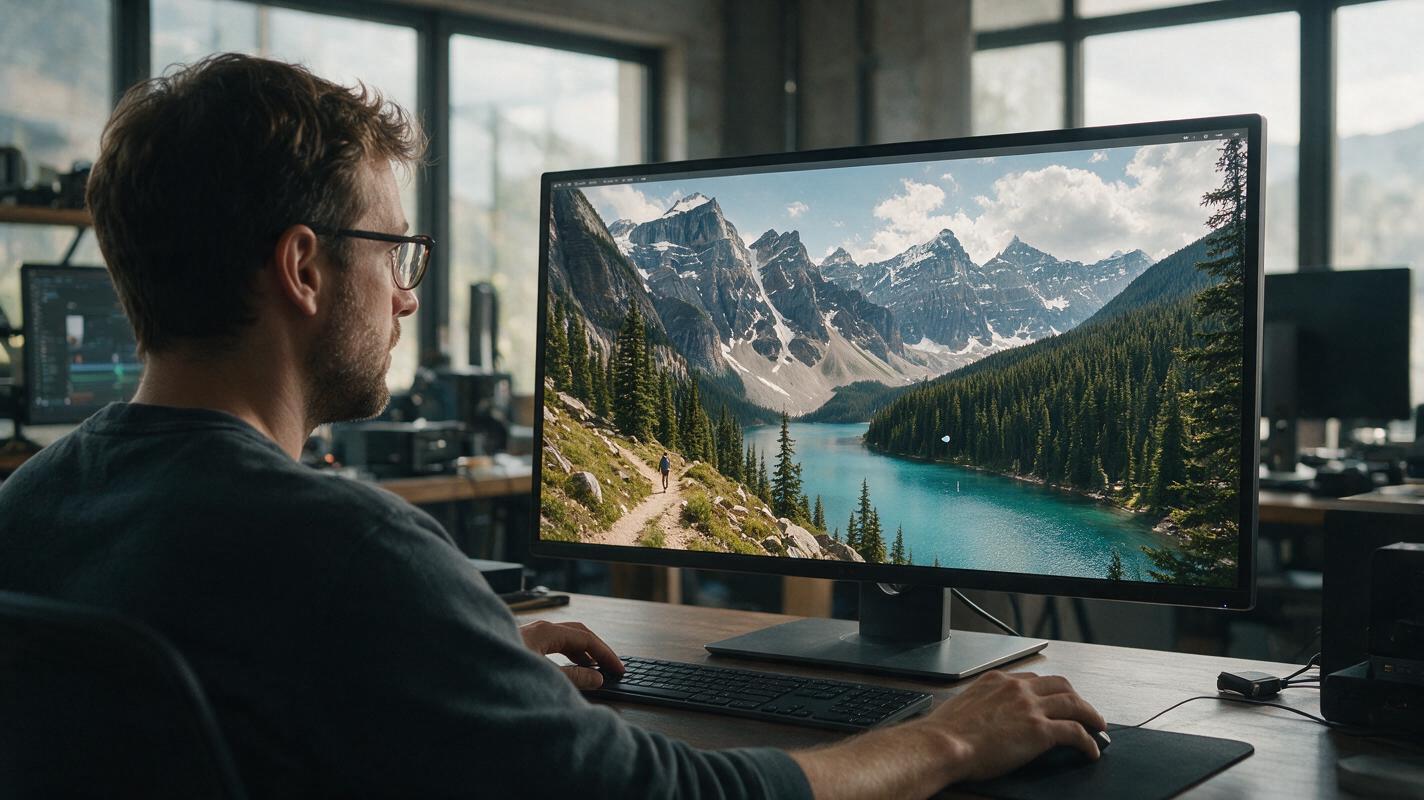
How to Remove Objects From Video Using AI (Clean Travel Footage Guide)
Learn how to remove unwanted objects like stray tourists, power lines, and trash from travel videos using AI inpainting tools. This practical guide covers footage prep, masking techniques, artifact fixing, and polishing for seamless, professional-looking results.
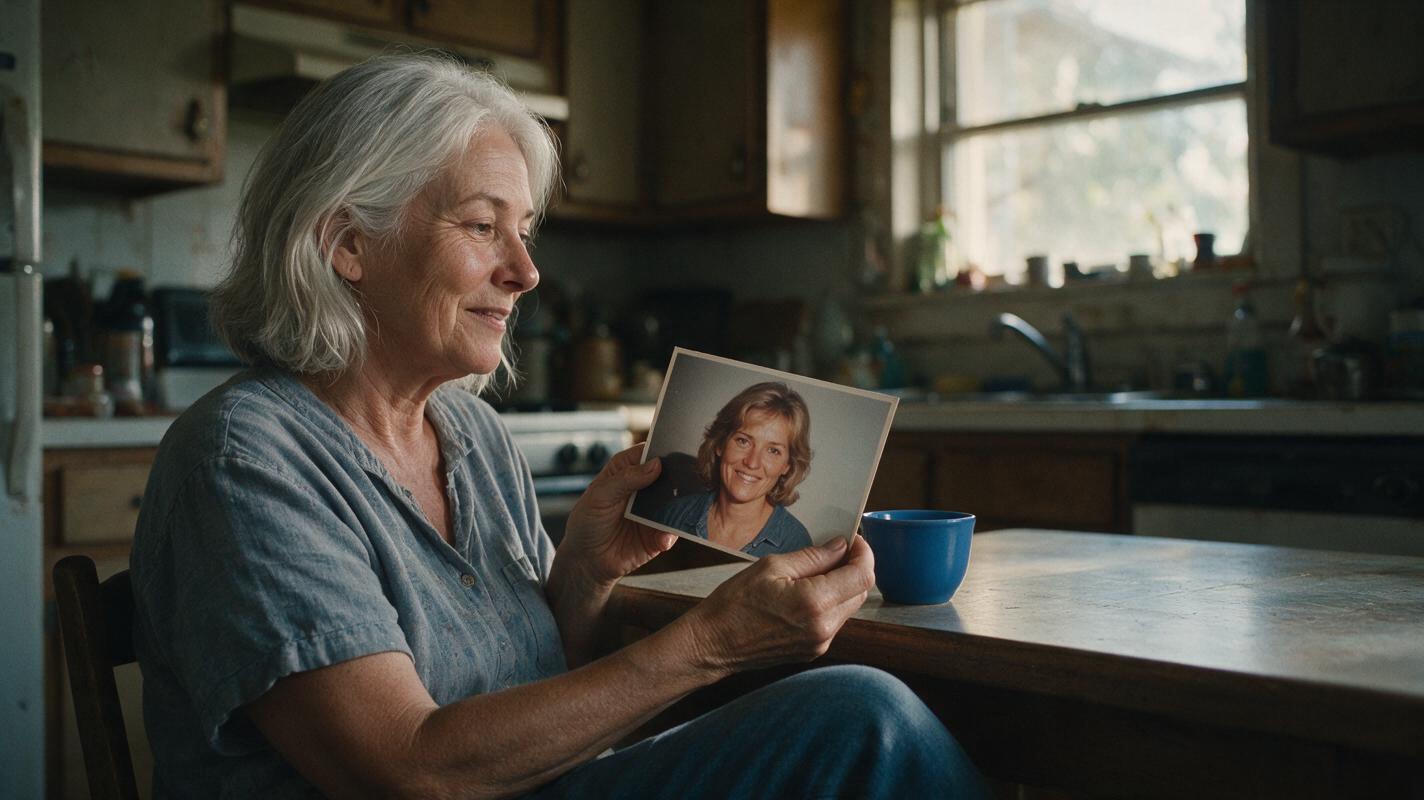
How to Keep the Same AI Video Character Across a 35-Year Time Jump
An AI video time jump should make a character look older, not like a different person. This guide uses paired age-specific character sheets, matched scene references, and a cut-point review to preserve facial identity from a flashback to the present day.
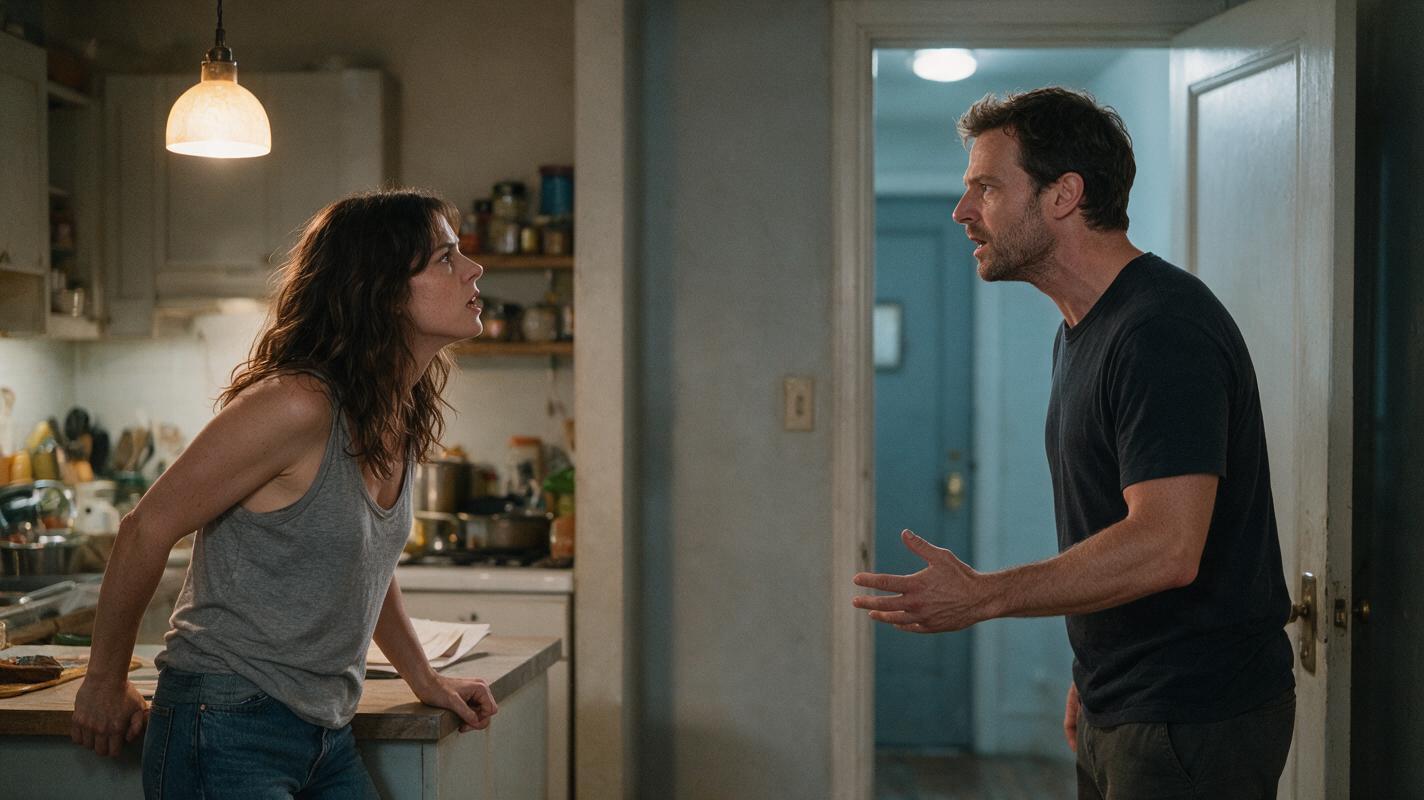
How to Block Two Characters in an AI Short Drama Without Face Blending
Two-character AI scenes often fail when bodies overlap, faces occupy similar screen space, or both performers move at once. This tutorial presents a reference-first blocking workflow that separates identity, movement, and screen direction before video generation begins.
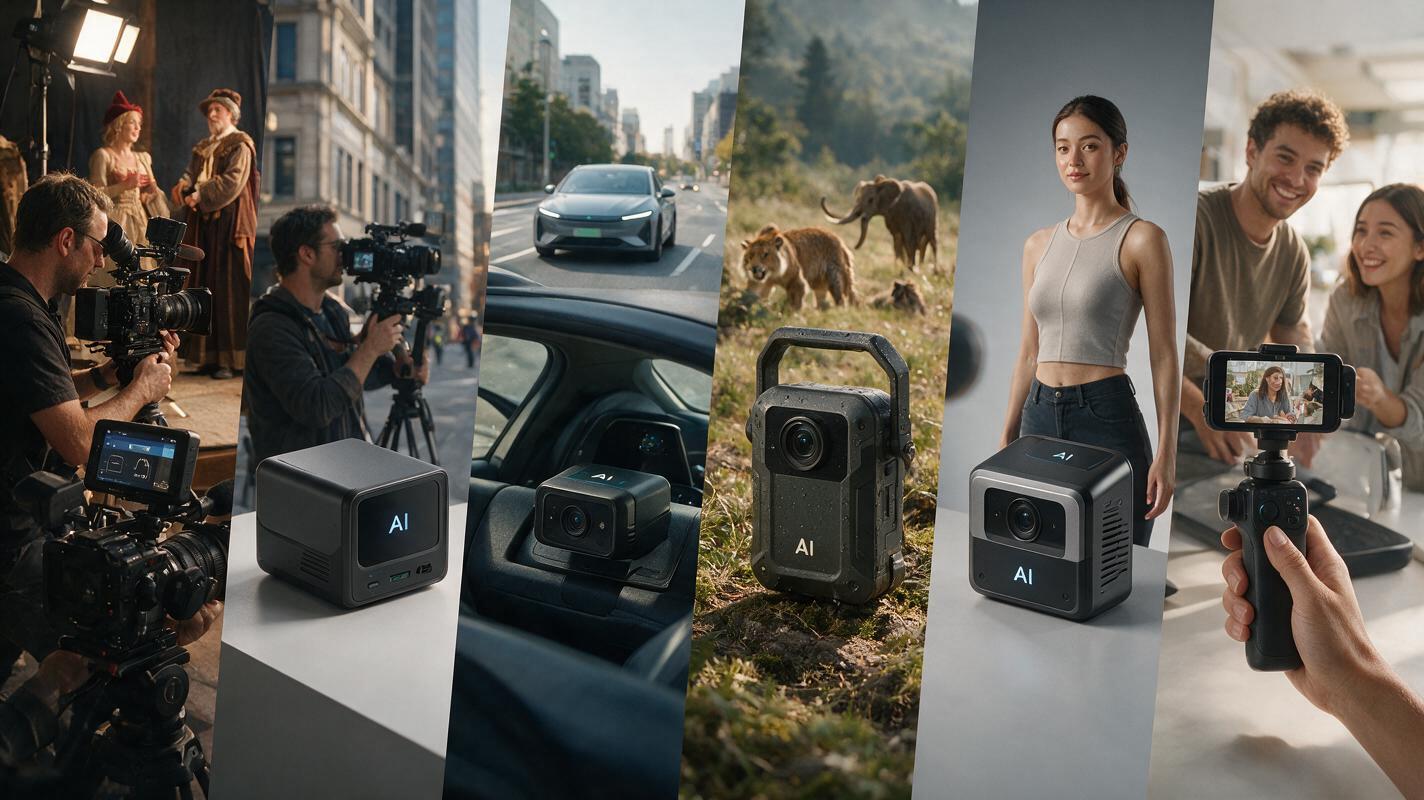
Sora Alternatives: 6 Best Royalty-Free AI Video Tools for Commercial Use (2026)
OpenAI’s Sora remains in limited private beta with restricted access and unclear commercial use rights for most creators, making it difficult for businesses, agencies, and independent creators to use its output for client work, ads, or monetized public content. This guide compares 6 verified Sora alternatives with explicit royalty-free commercial licensing terms, evaluating each tool’s pricing, capabilities, and ideal use cases to help you pick the right fit for your project. We also highlight how MagicBoat simplifies cross-model testing while keeping licensing information accessible in one unified workflow.
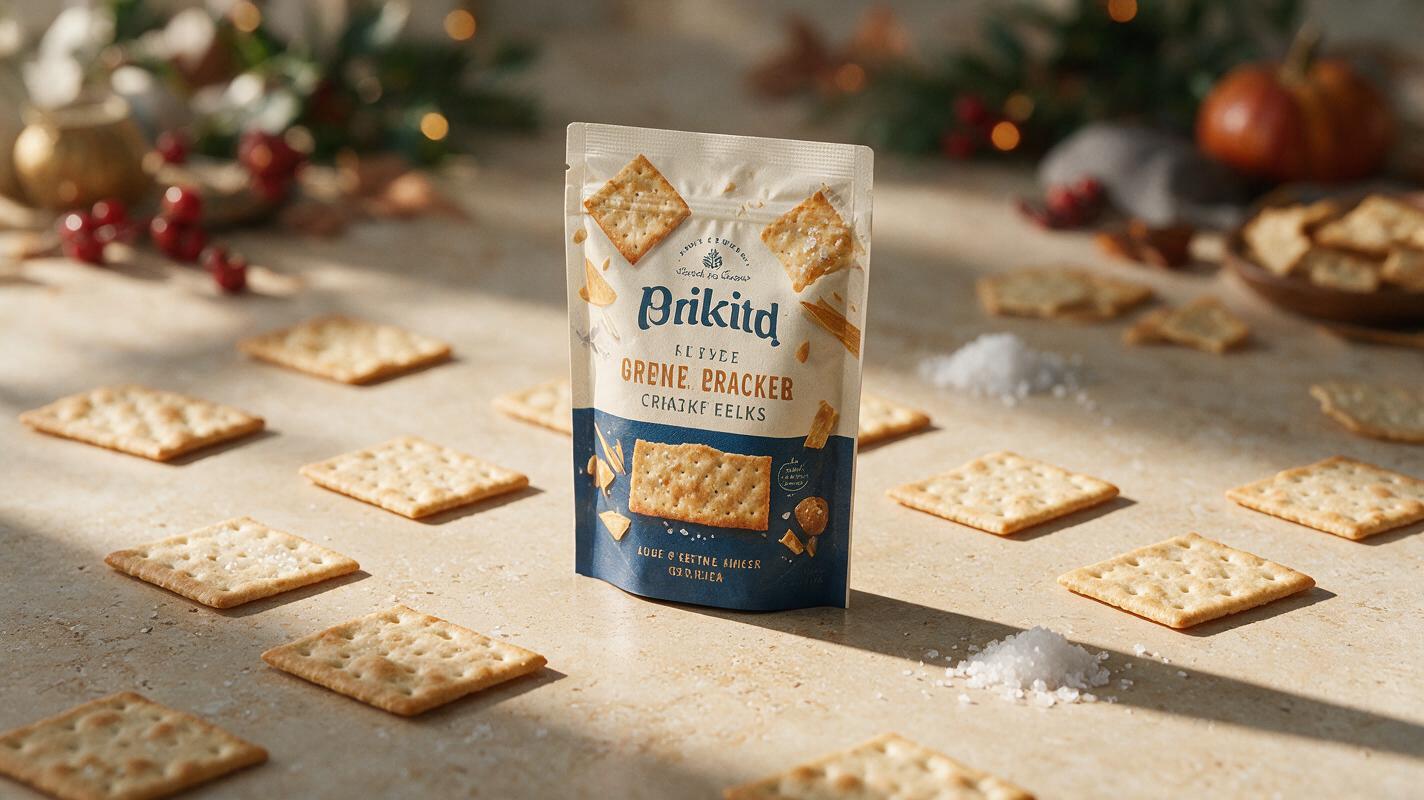
AI Food Packaging Ads Without Warped Labels or Fake Ingredients
Create polished AI food packaging ads without allowing the model to redraw your logo, product name, nutrition claims or package geometry. This preservation-first workflow keeps the real pack intact while using Seedream 4.5 to build seasonal backgrounds, ingredient staging and campaign variations around it.
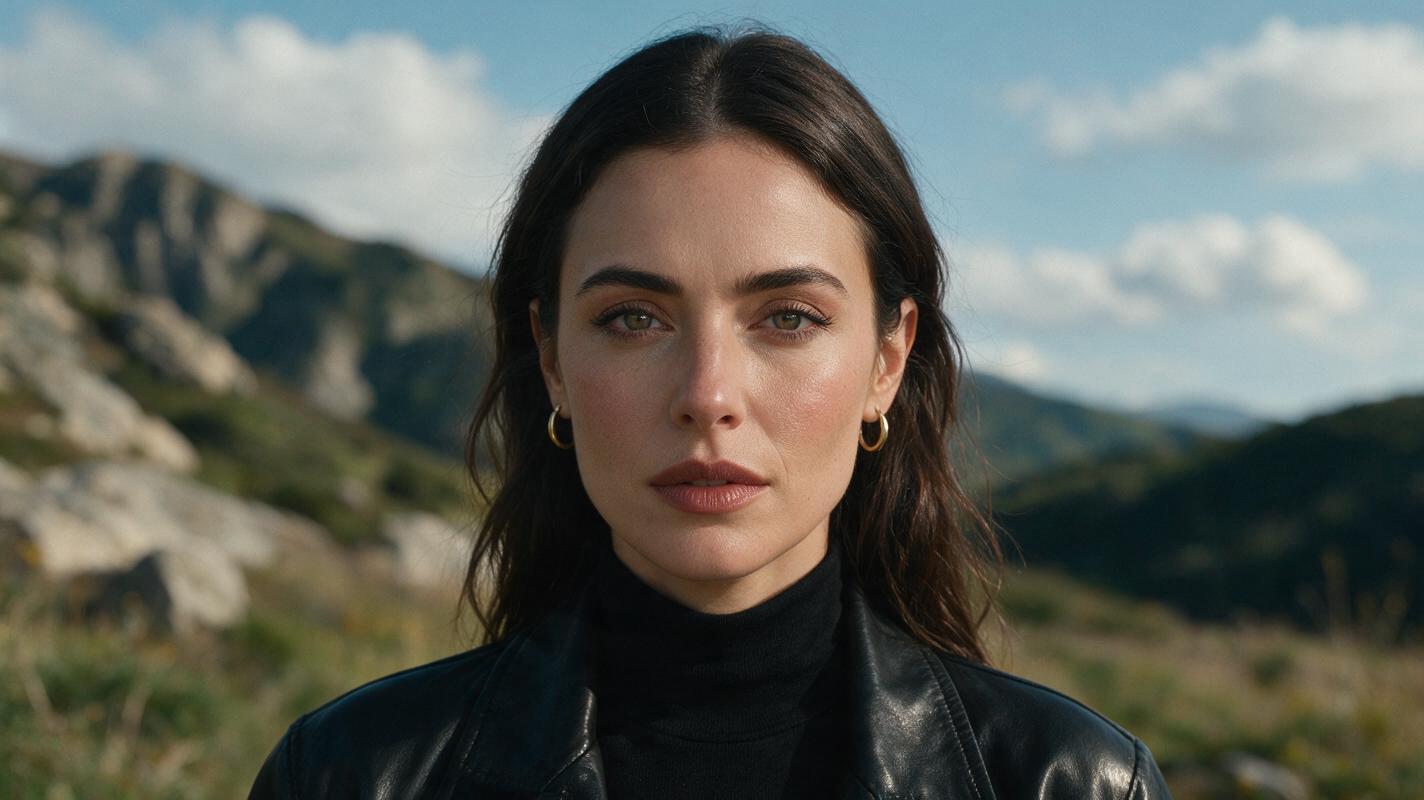
Nano Banana Pro Prompts for Consistent Makeup Looks (No Face Drift)
Tired of AI-generated makeup looks that change your model’s face shape, skin tone, or features with every new prompt? This guide shares Nano Banana Pro prompt templates, reference photo prep tips, and troubleshooting fixes to create consistent full-face makeup variations while preserving model identity. Perfect for beauty brands, makeup artists, and content creators building cohesive lookbooks or campaign assets.
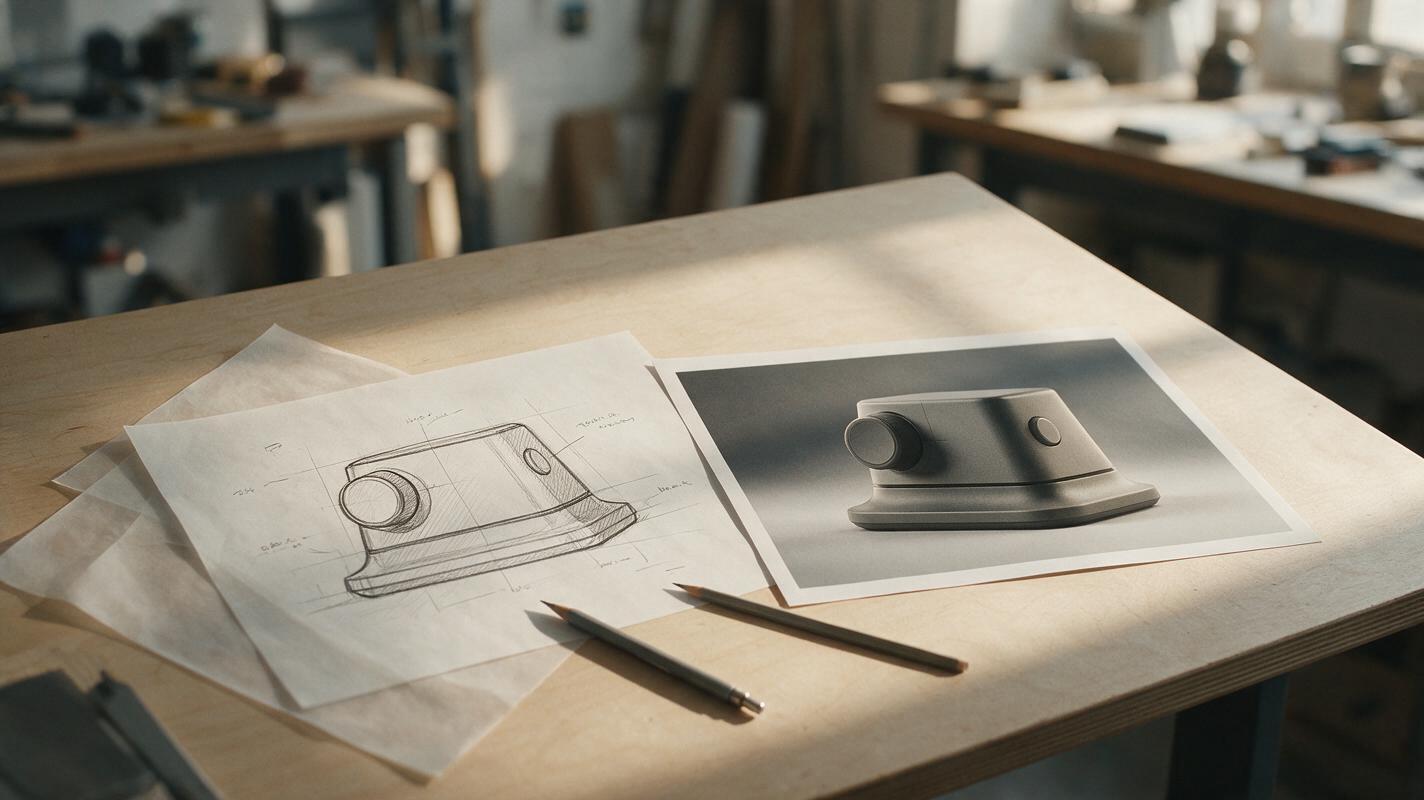
Sketch to Product Render Without Losing Your Design Details
A polished AI render is useful only if it still shows the product you sketched. This guide shows industrial designers how to prepare a reference, write a constraint-led Nano Banana Pro prompt, and check the result for design drift before presenting it.
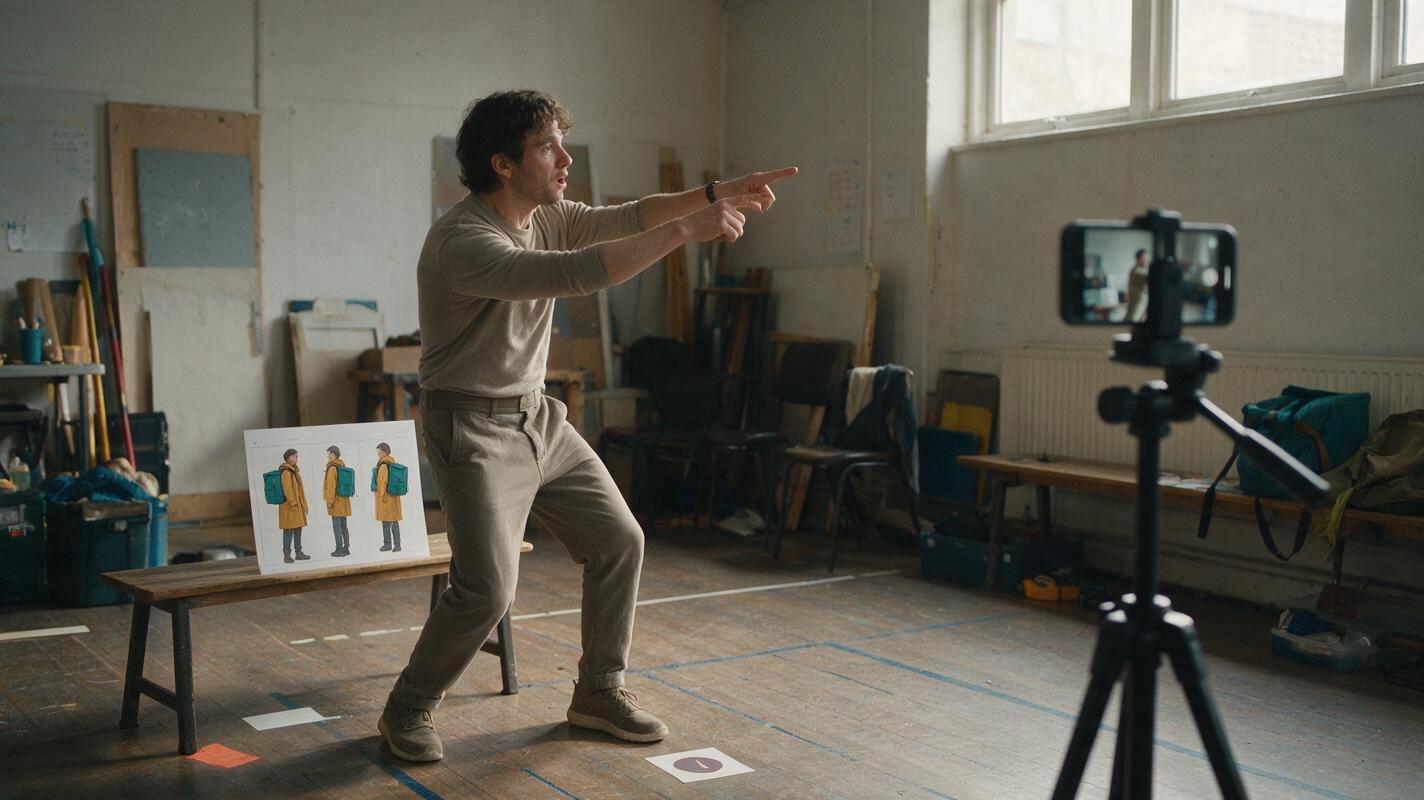
How to Turn a Phone Clip Into an AI Character With Motion Transfer
Use a clean full-body phone recording as the motion source, create a reference image with unmistakable identity anchors, and transfer the performance before adding cinematic styling. This workflow preserves timing and body language more reliably than asking a text-to-video model to invent the entire performance.
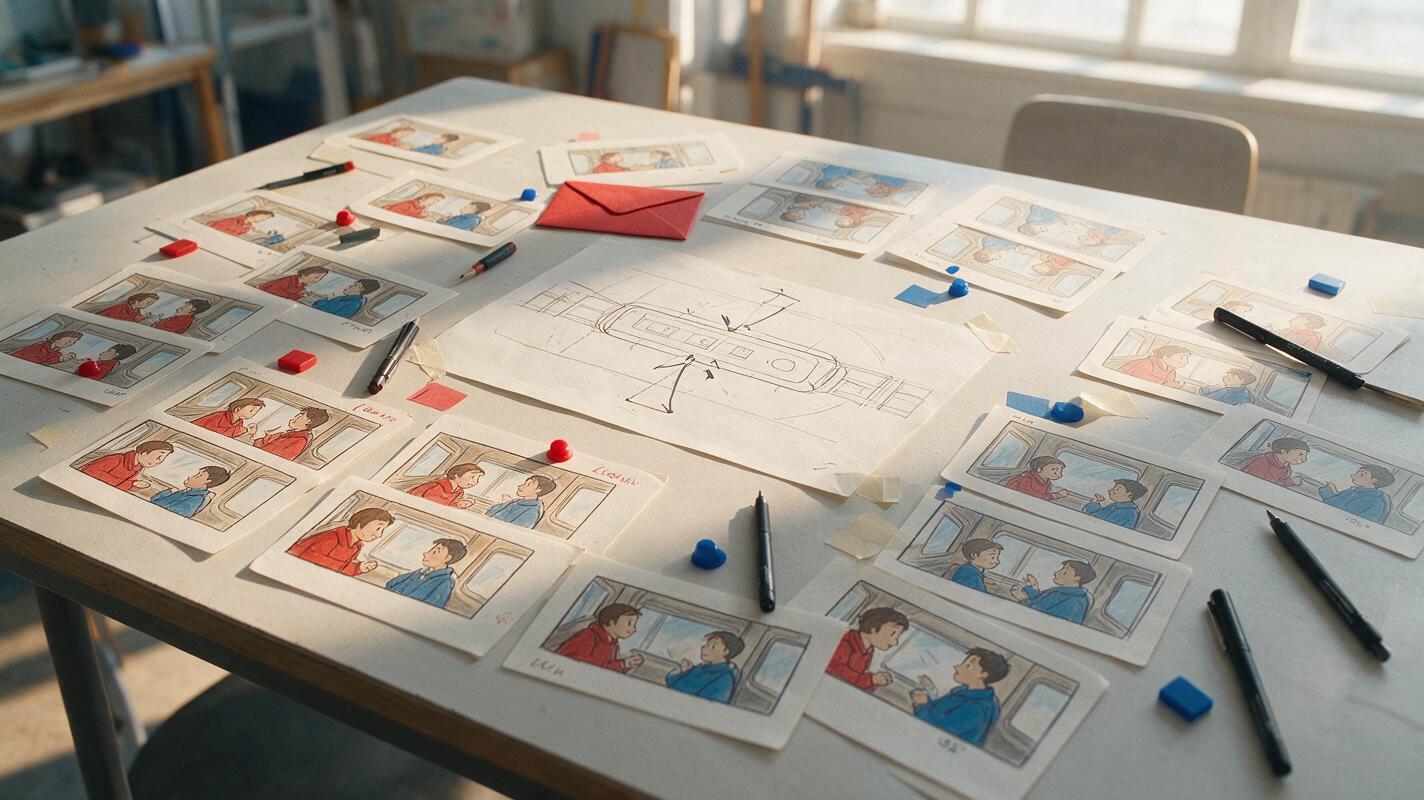
Why AI Storyboards Flip Characters—and the Continuity Map That Fixes It
AI-generated storyboard panels often reverse character positions, eyelines, props, and movement direction between shots. This practical continuity-map method helps comic artists and visual storytellers generate readable shot sequences with Nano Banana Pro while retaining control over screen geography.