Blog
Discover the latest from MagicBoat
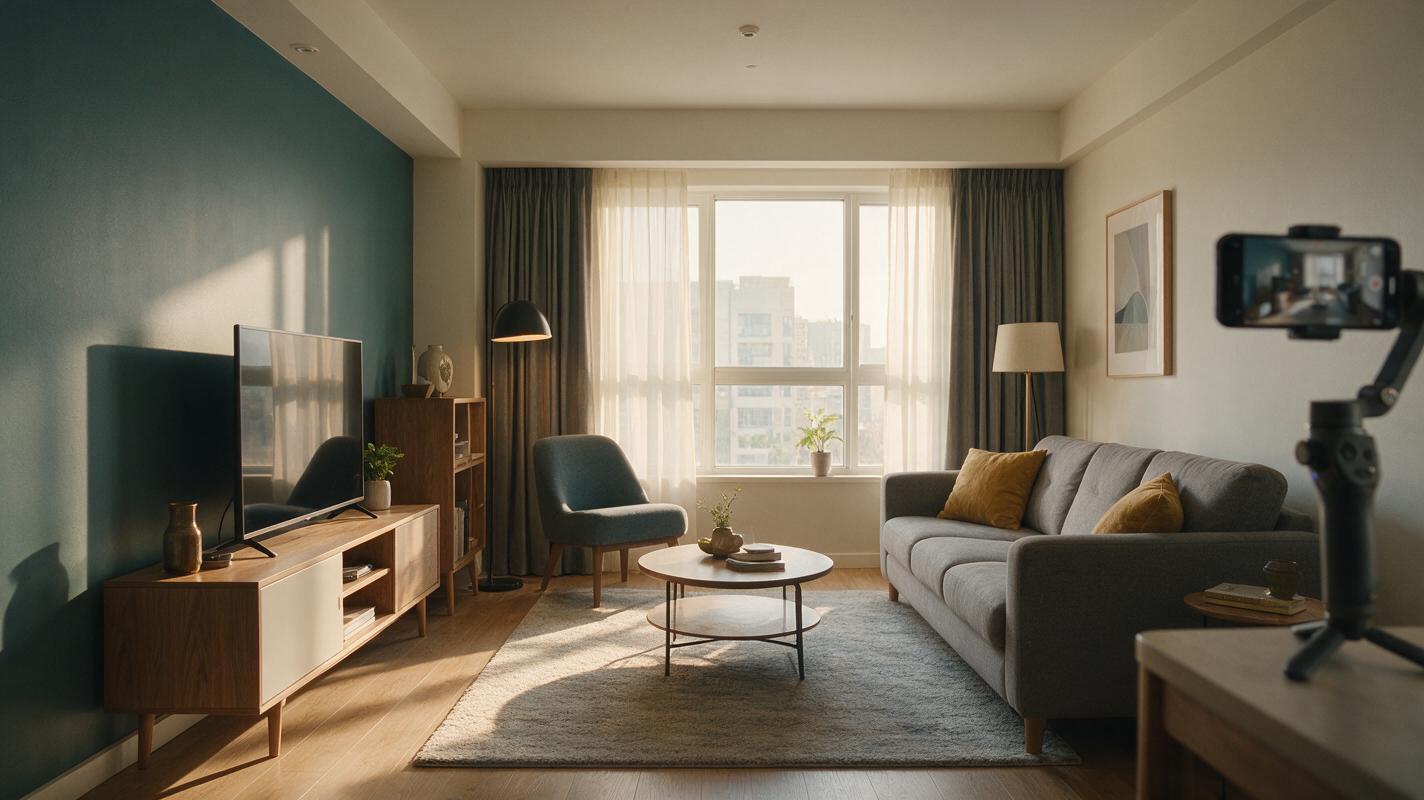
Video-to-Video AI: Restyle Property Walkthroughs Without Layout Drift
Learn how to restyle a smartphone property walkthrough with video-to-video AI while protecting room geometry, fixtures, windows, and camera motion. This practical workflow combines conservative generation, locked reference frames, shot-level prompting, and real before-and-after checks.
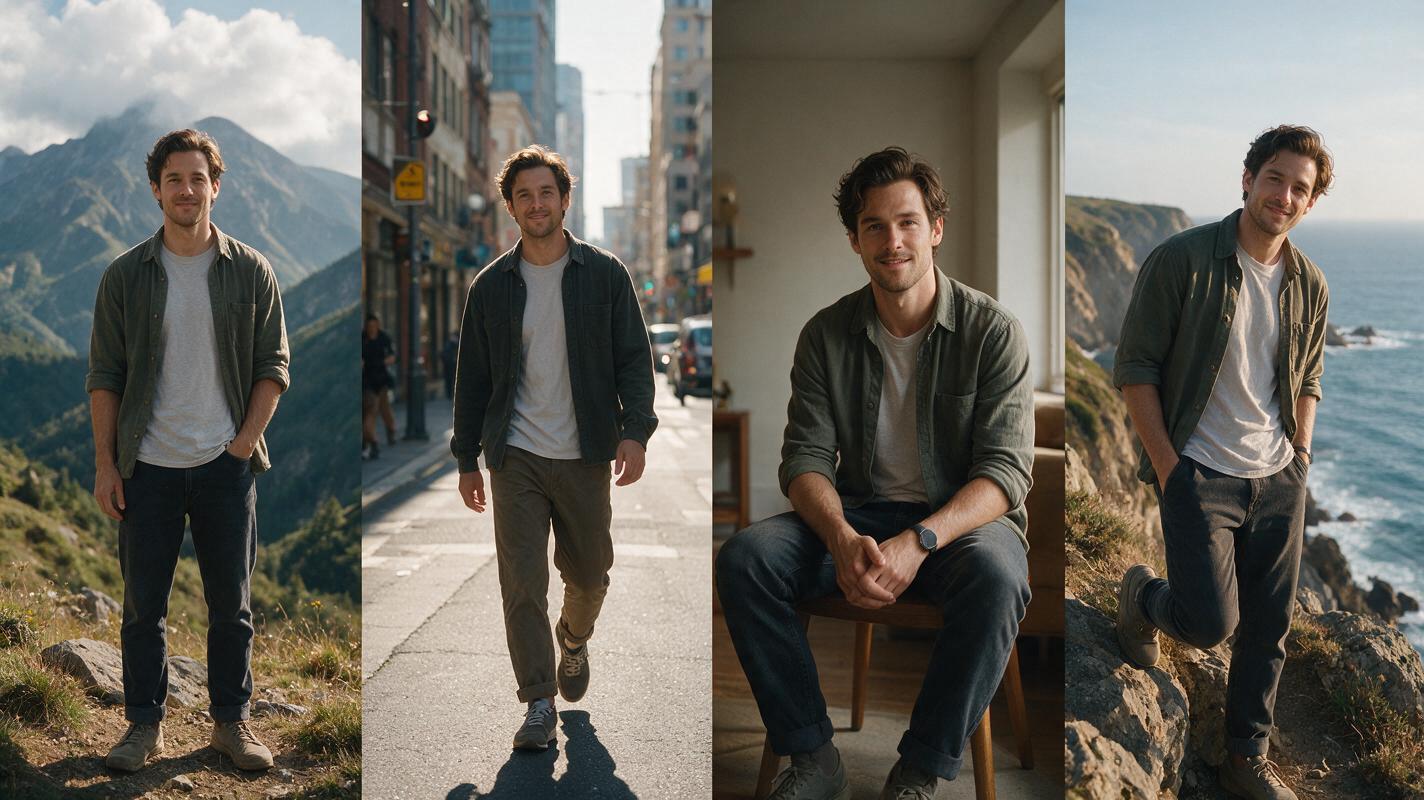
How to Maintain Character Consistency Across AI Video Generation Modes
Learn to keep a single AI character consistent across text to video, image to video, and motion transfer workflows with a repeatable, model-agnostic framework. This guide uses a shared master reference portrait, standardized prompt templates, and locked generation settings to eliminate facial drift and style mismatches when switching between generation modes on MagicBoat. You’ll also get model-specific tips for Seedance and Kling to fine-tune results.

Sora Alternatives: 6 Fast AI Video Tools for Quick Drafts in 2026
OpenAI’s Sora remains in limited private beta with variable generation times, making it a poor fit for creators who need quick video drafts for pitches, social media, or storyboarding. This guide compares 6 verified Sora alternatives optimized for fast turnaround, evaluating generation speed, workflow efficiency, pricing, and ideal use cases. It also includes a side-by-side comparison table and a reusable test prompt to help you find the fastest tool for your workflow.
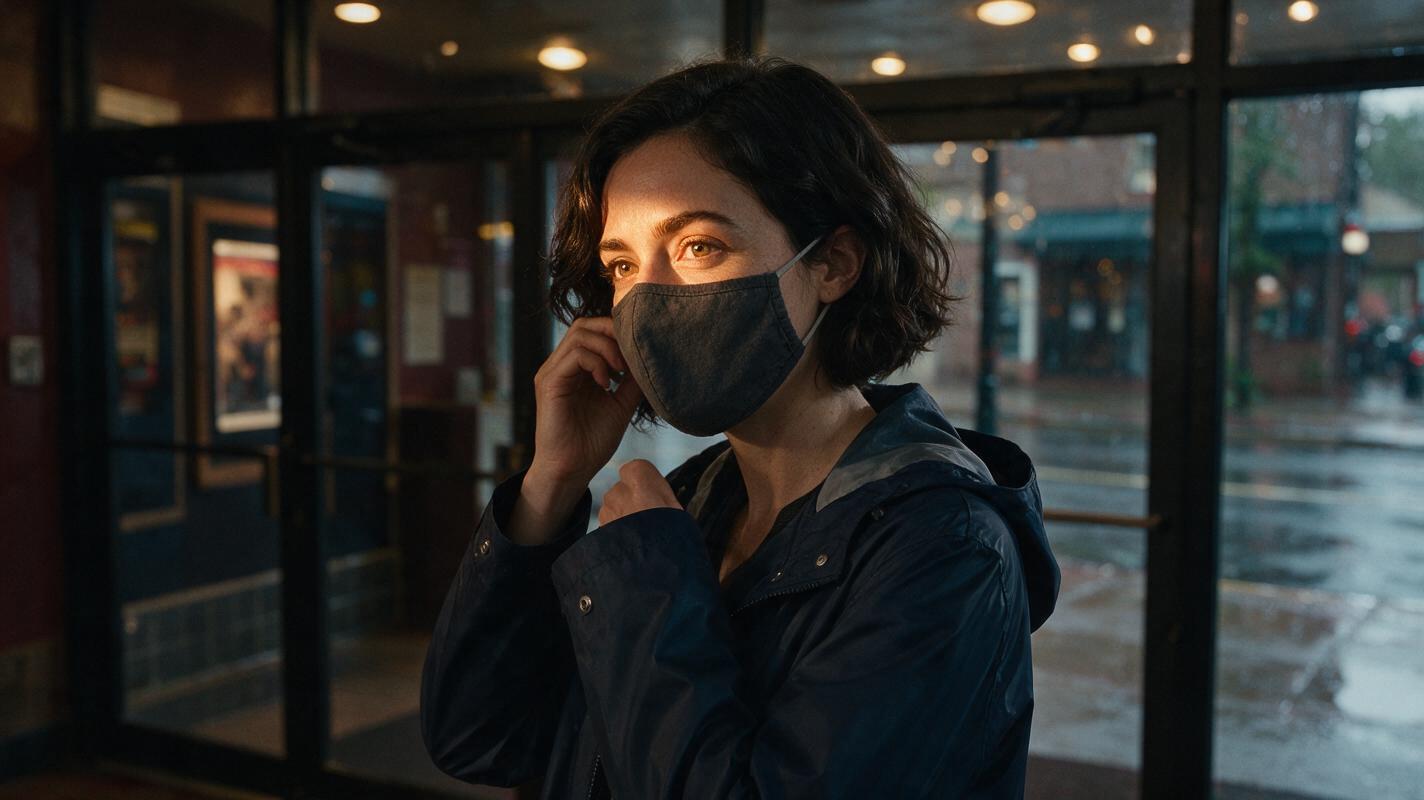
How to Keep the Same Face in AI Video After Removing a Mask
A mask-removal reveal can make an AI video character look like a different person because the model must invent facial features it could not see. This tutorial uses an unmasked character sheet, matched shot references and a reveal-point review to preserve identity through the transition.
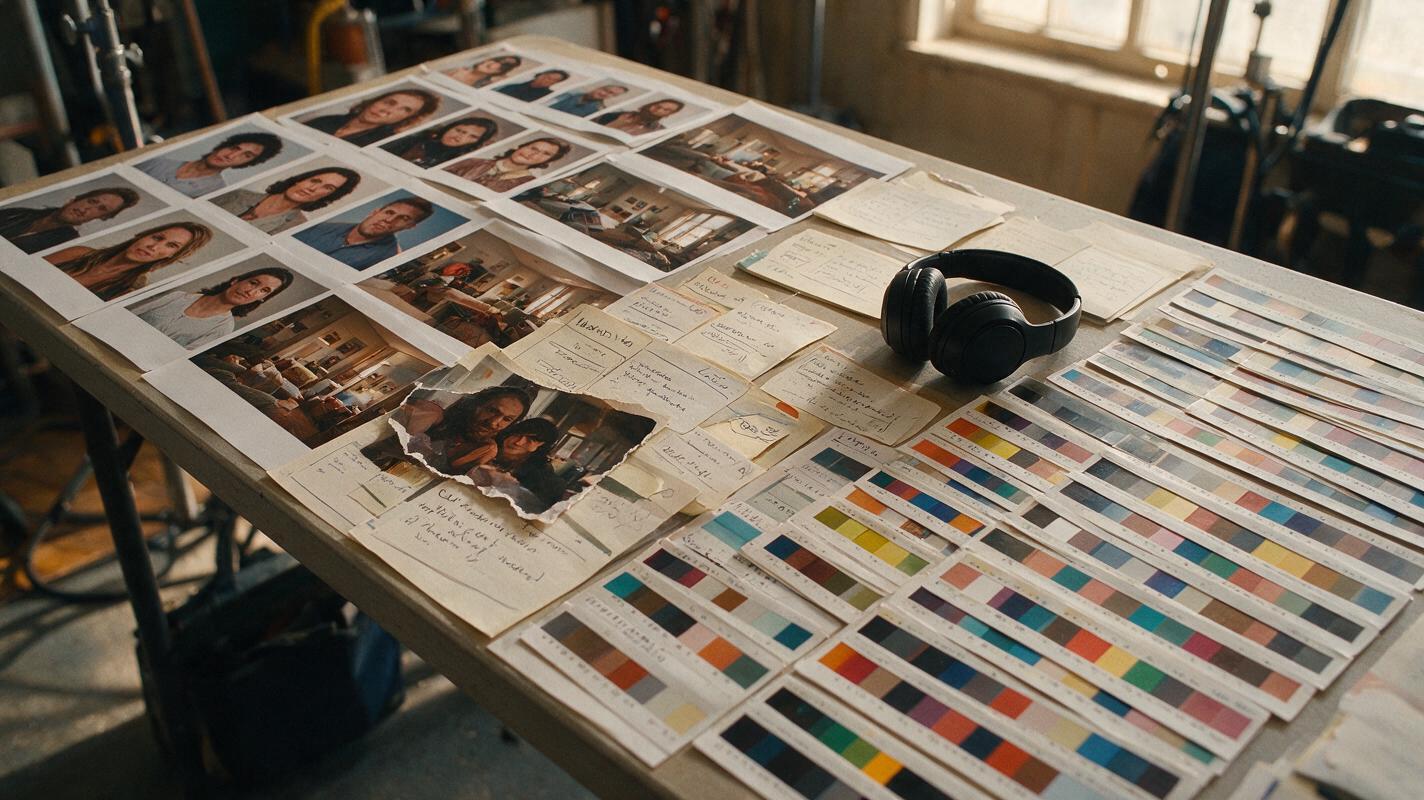
How to Batch-Produce an AI Short Drama Without Continuity Drift
Batch short drama production works best when episodes share locked references but remain divided into small, repairable shot units. This tutorial builds a practical pipeline for batching scripts, anchor frames, motion clips, audio, and continuity checks without multiplying the same mistake across an entire series.
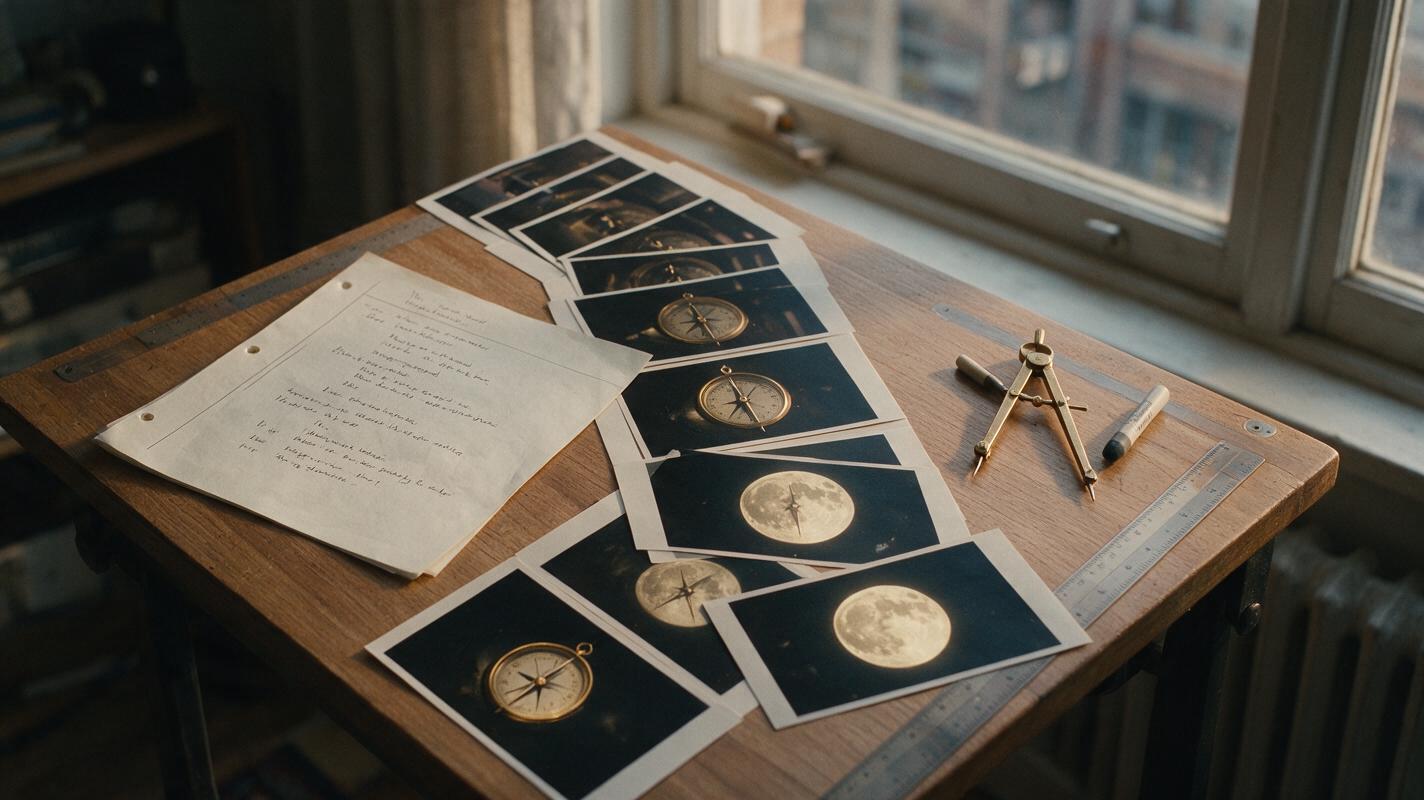
Script to Video AI: Create Seamless Match Cuts From a Screenplay
Learn how to turn scripted transitions into seamless match cuts by pairing storyboard anchors, aligning compositions, generating controlled motion, and editing on shared visual cues. The workflow includes reusable prompts for a character sheet, matched frames, and a failure-mode comparison.
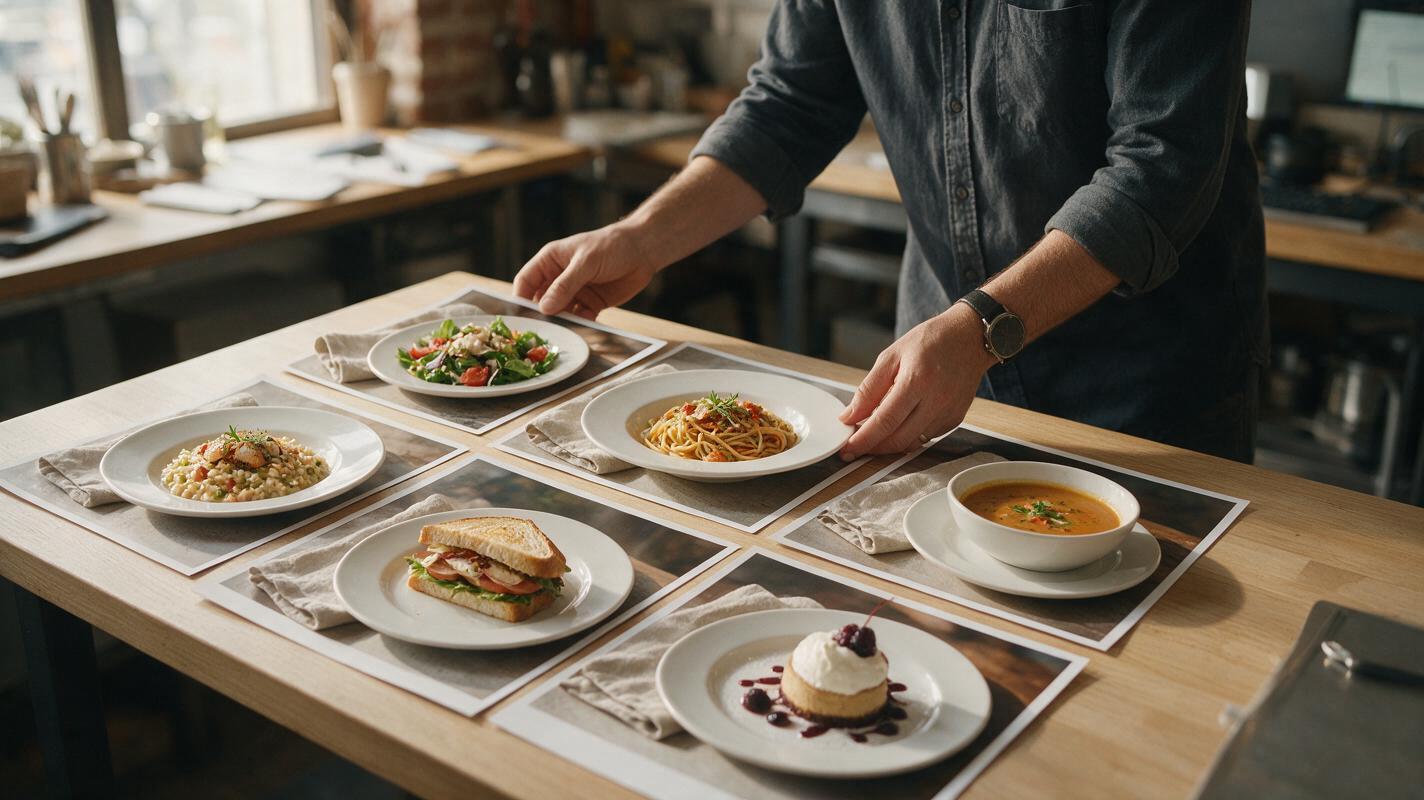
How to Create Consistent AI Food Photo Sets for New Menu Launches
Generating multiple AI food photos that look like they came from the same photoshoot is a common pain point for restaurants launching new menus. This guide breaks down a reference-driven workflow with Seedream 4.5 to create cohesive food photo sets with matching lighting, backgrounds, props, and styling across every dish. Included are reusable prompt templates, troubleshooting tips for common consistency issues, and a final quality check to ensure all assets feel aligned.
Sora Alternatives: 6 Best Tools for Consistent Characters in 2026
OpenAI’s Sora remains in limited private beta and struggles to maintain consistent character appearance across multiple clips, a critical need for creators making serialized content, short films, or branded campaigns with recurring talent. This guide compares 6 verified Sora alternatives built for better character retention across generations, including pricing, core capabilities, and ideal use cases for each tool. We also include a side-by-side testing workflow to compare character consistency across models in one place.
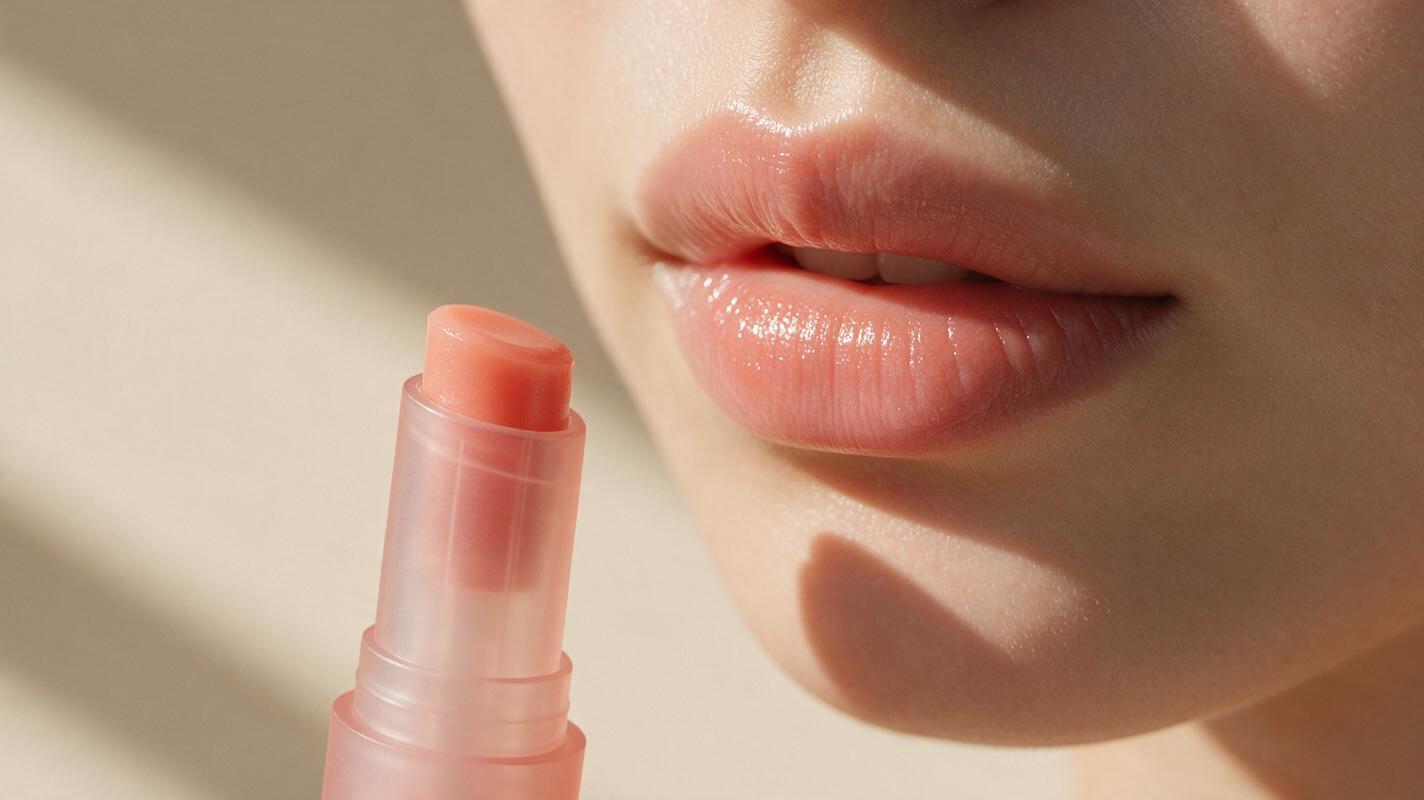
Midjourney Prompts for Sheer Tinted Lip Balm Campaigns (No Chalky Finish)
Sheer tinted lip balms rely on subtle, hydrating color to sell, but most AI image generators render them as opaque, chalky lipstick that misrepresents the product. This article shares reusable Midjourney prompt templates for four common tinted lip balm campaign formats, from e-commerce hero shots to lifestyle social visuals, plus troubleshooting fixes for common rendering issues. Each prompt is optimized for beauty brand use cases to ensure accurate shade payoff and consistent branding.
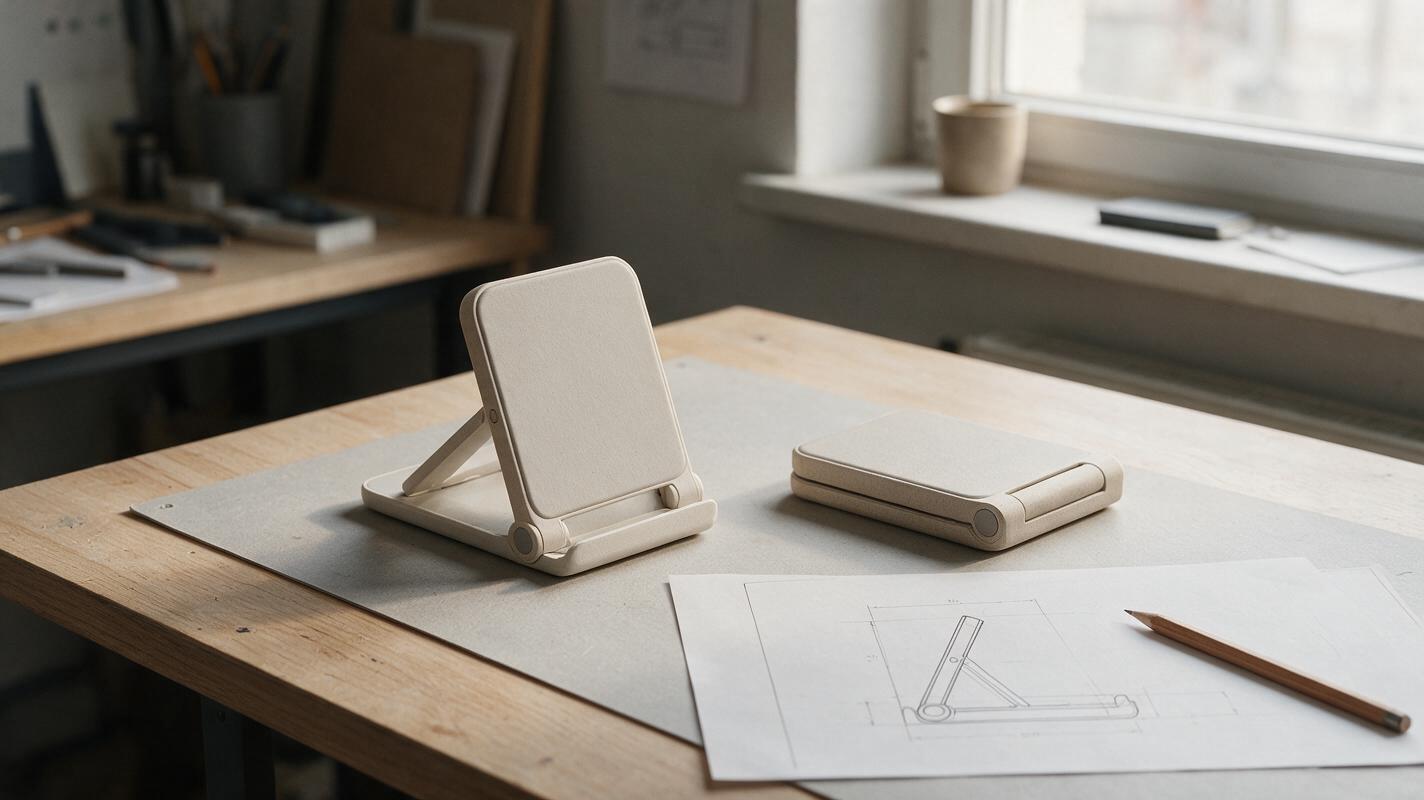
Why AI Folding Product Renders Break at the Hinge—and How to Fix Them
AI-generated open and closed product renders can look convincing separately while depicting two different hinge designs. This guide shows how to use a fixed pivot, matched reference views, and a simple geometry check to present a folding concept without implying that its mechanism has been engineered.
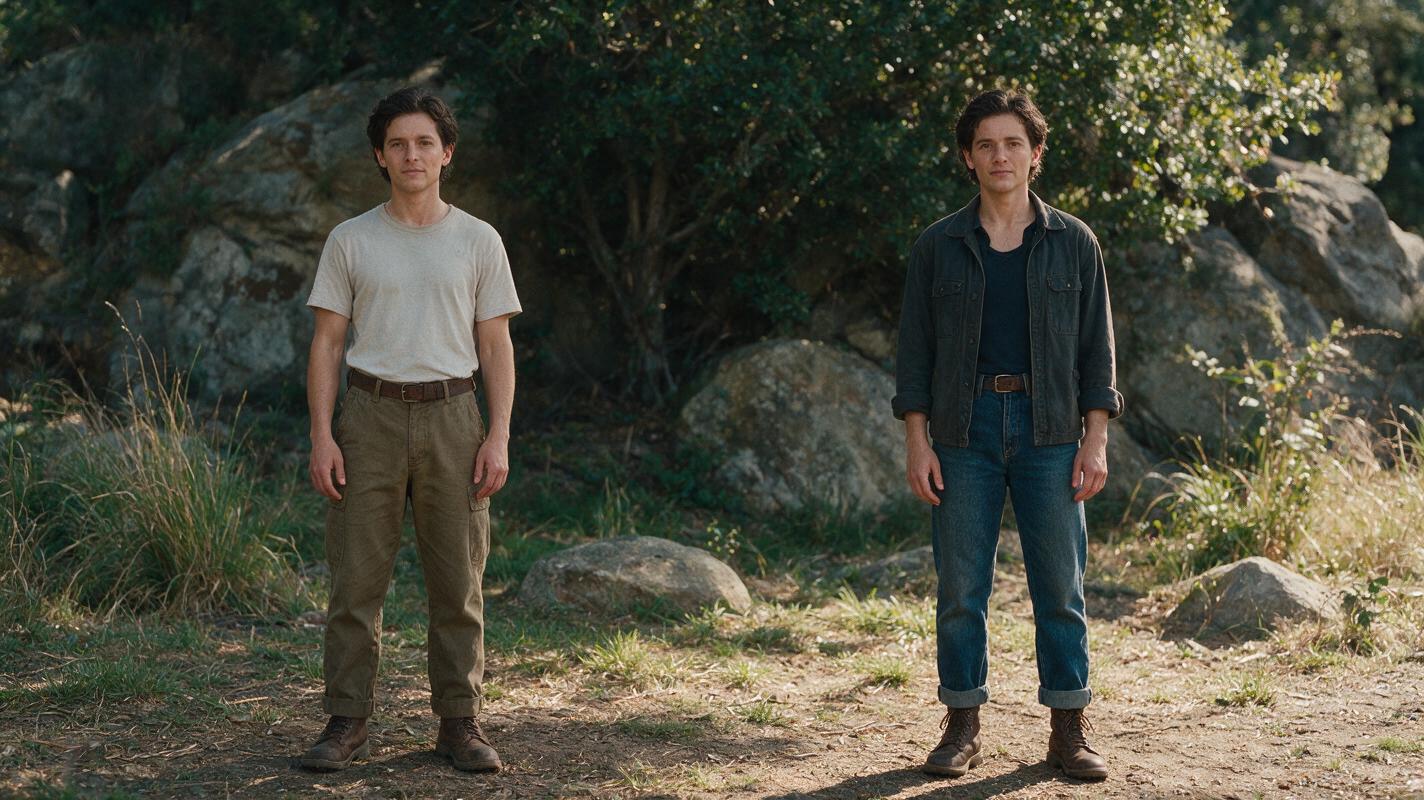
How to Maintain AI Character Consistency While Changing Outfits
You can keep a consistent AI character face and identity across outfit changes by combining a fixed facial reference image, structured prompt engineering that separates identity from clothing, and a post-generation face swap pass for residual drift. The fastest workflow uses MagicBoat's integrated text to video models to generate each outfit variant, then corrects mismatches in one click. This method works for both photorealistic and stylized characters, and lets you generate as many outfit variants as you need without rebuilding your character from scratch.

PixVerse Prompts for Manga Impact Shots Without Character Drift
Turn finished manga fight panels into short impact animations without redesigning the character or losing the original composition. These PixVerse prompt patterns separate subject motion, environmental reaction, and camera emphasis so each shot feels powerful but controlled.