Blog
Discover the latest from MagicBoat
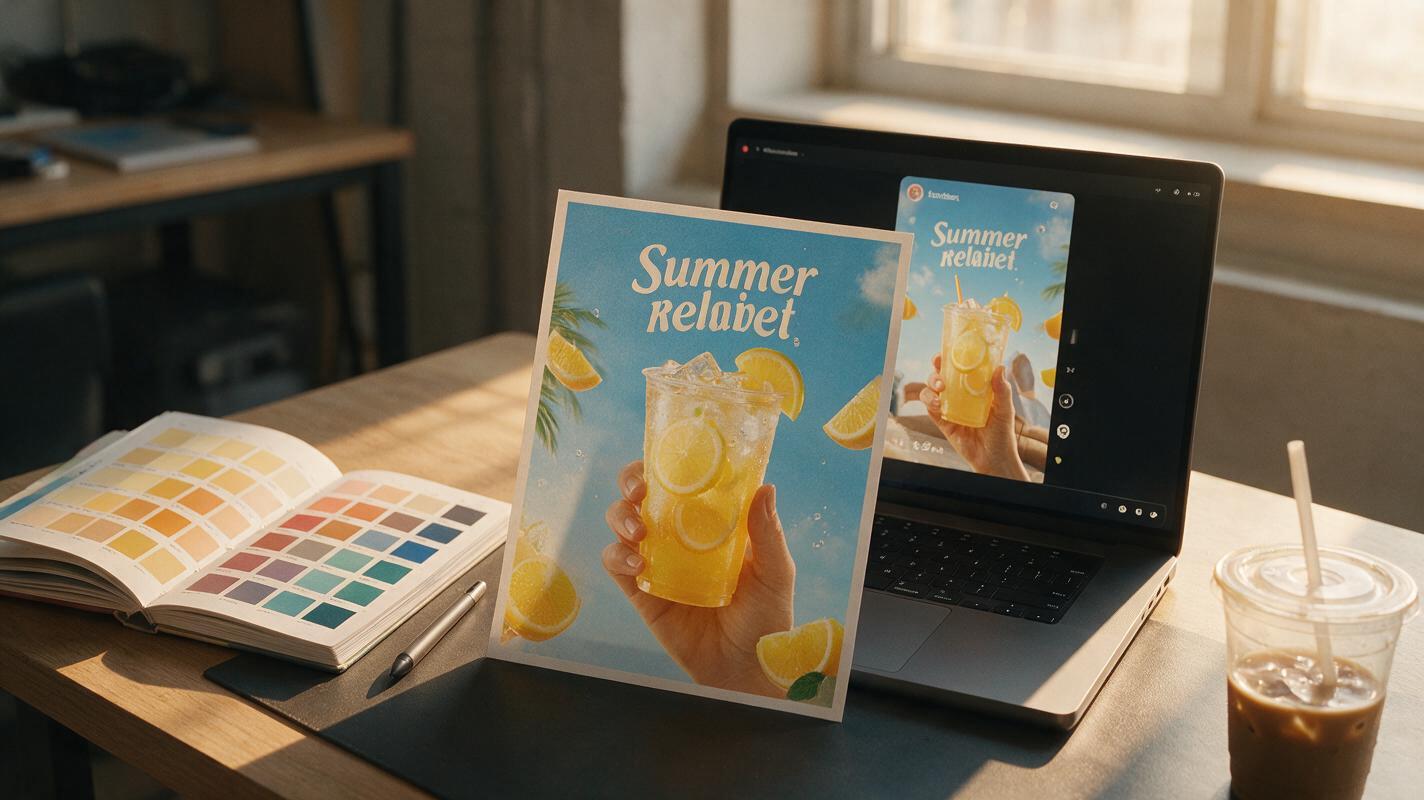
Why AI Social Ad Clips Warp Campaign Key Visuals (3 Fixes With Kling)
AI image-to-video tools make it fast to repurpose static campaign key visuals into short-form social ads, but most tools warp logos, blur text, and shift brand colors. This article breaks down three common causes of brand drift in AI-generated social ad clips and shares actionable fixes using Kling’s image-to-video mode, including reference masking, constrained camera movement, and hybrid compositing. Brand and graphic designers can use these workflows to create on-brand 10–15 second Reels and TikTok ads without hiring a motion designer.
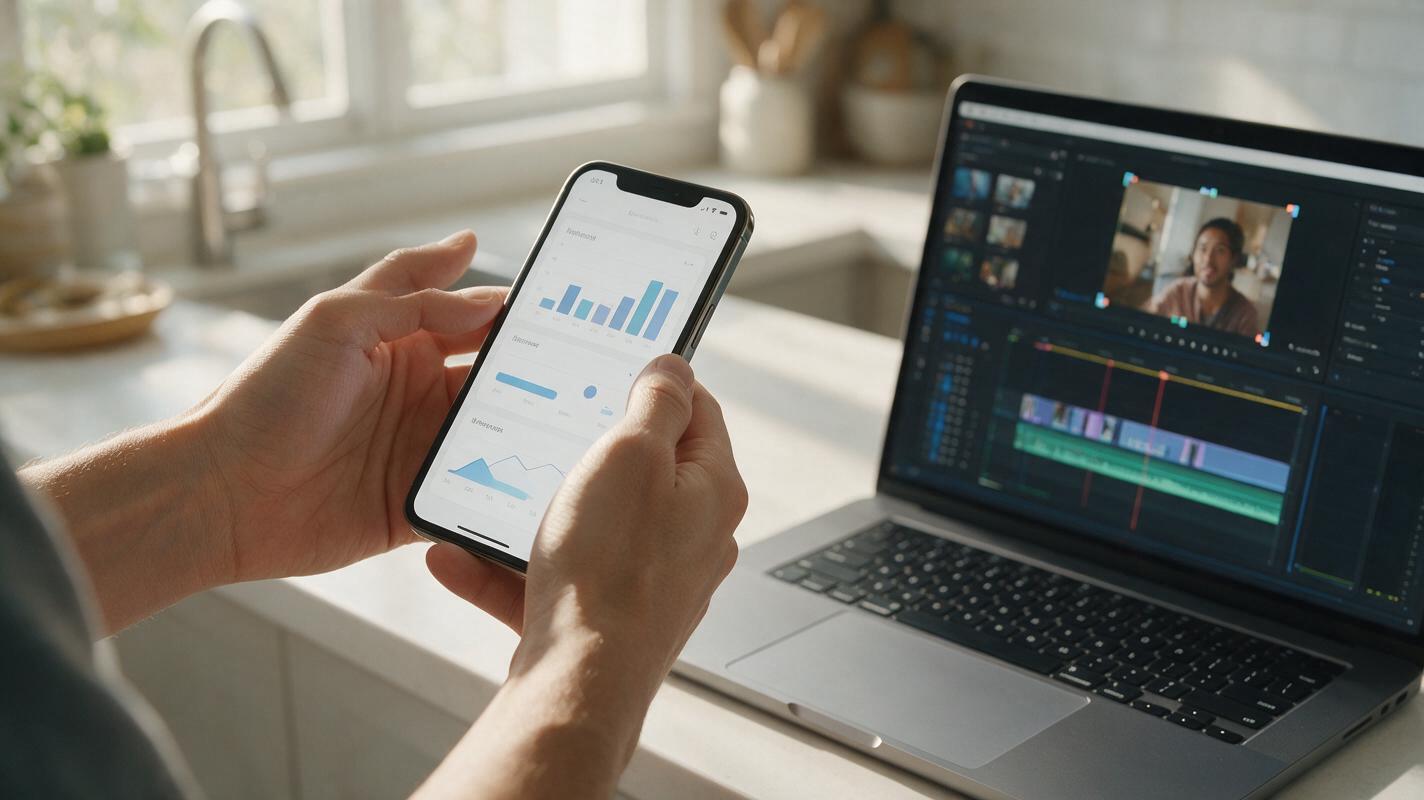
Turn App Screenshots Into 9:16 Demo Ads Without Fake UI
Learn a preservation-first workflow for turning real app screenshots into vertical demo ads without asking AI to redraw buttons, text, or product flows. Use Hailuo to generate supporting motion while retaining verified interface captures as the source of truth.
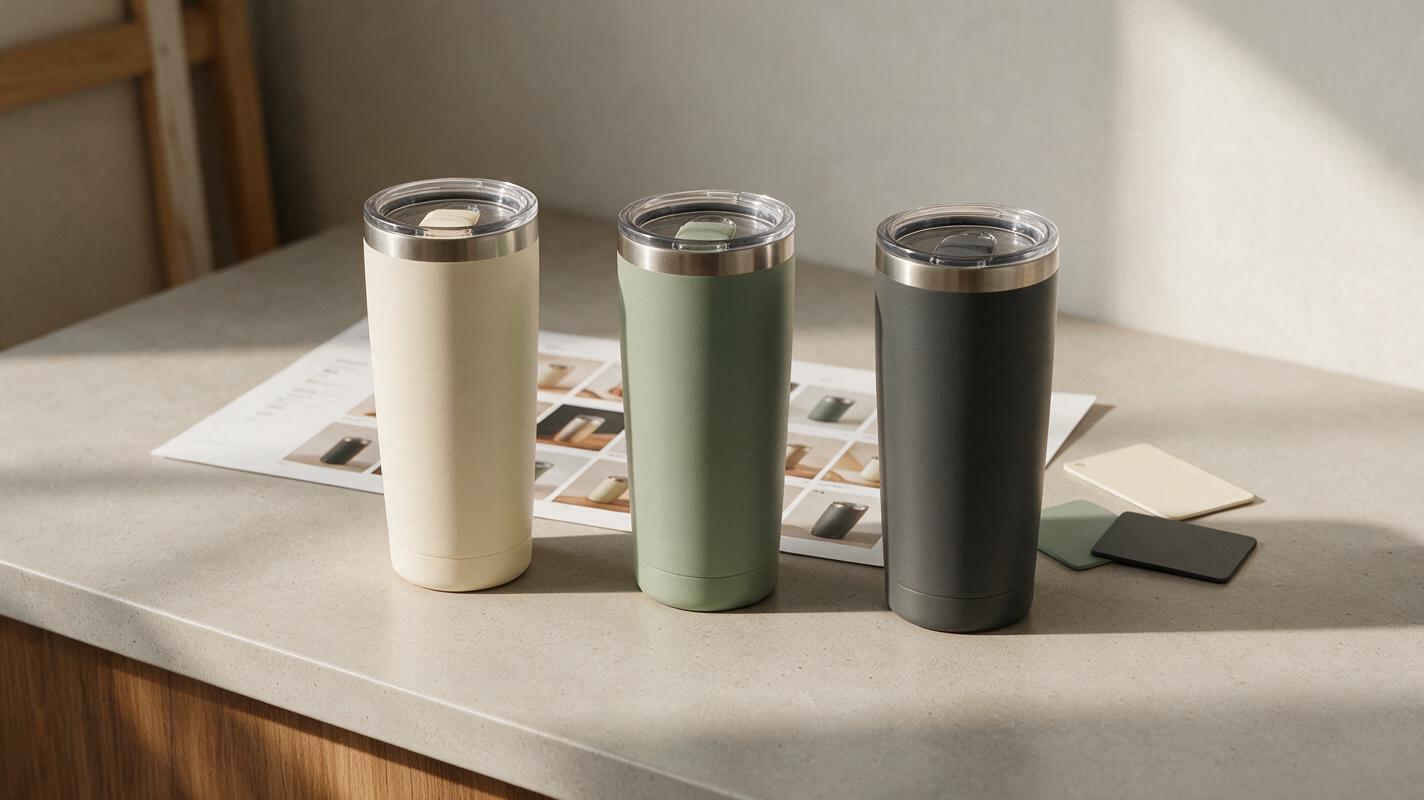
Shopify Color Variant Photos That Match the Product Buyers Select
A consistent backdrop can make Shopify color variants look like one product range, but AI recoloring can make the actual colors unreliable. This guide shows how to build a matched image set from a real photograph of every variant, use Nano Banana Pro for product-free backgrounds, and check each image against its swatch and SKU before publishing.
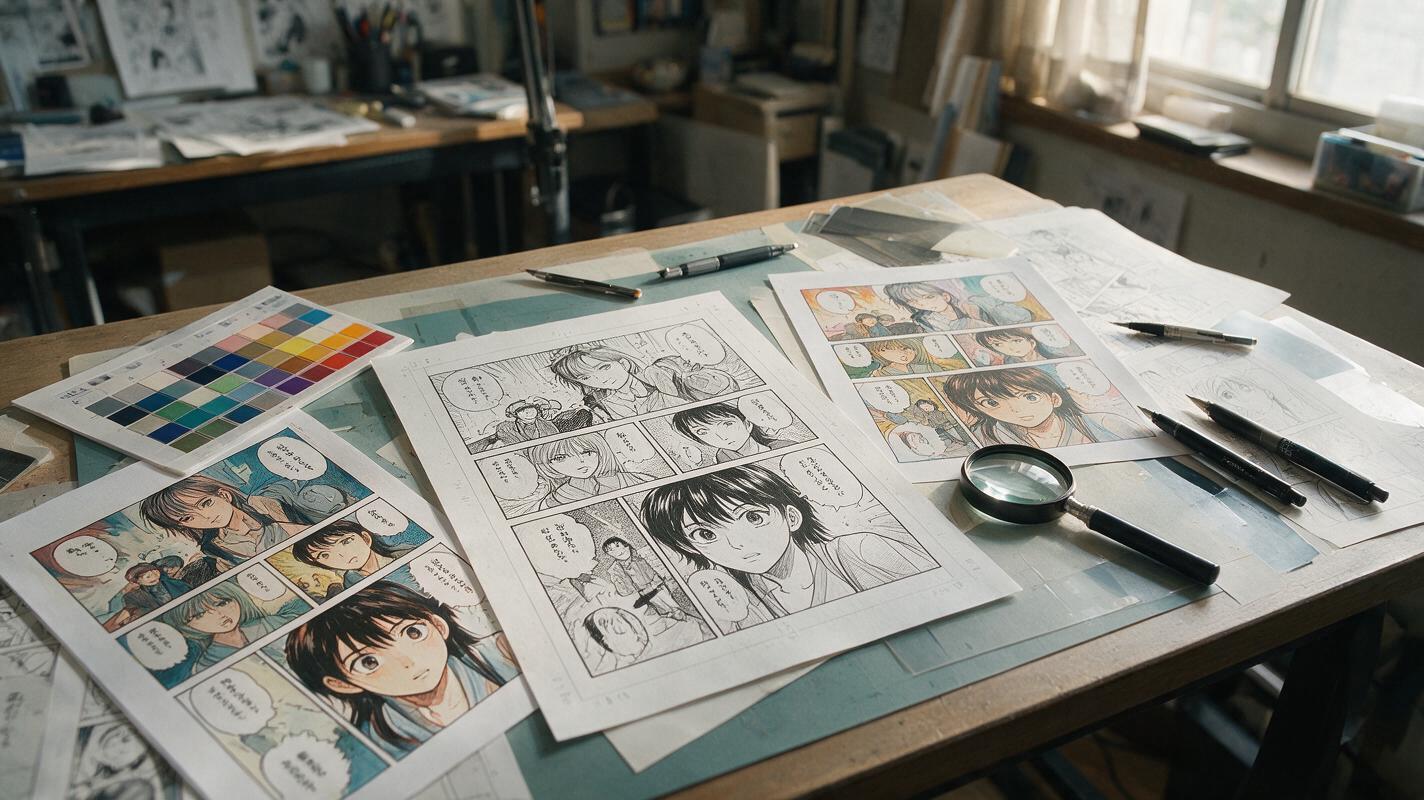
Why AI Manga Colorization Flattens Ink—and How to Preserve It
AI manga colorization often erases screentones, weakens line weight, and makes every surface look equally smooth. This guide shows manga artists how to use Imagen with structure-aware prompts, restrained color layers, and targeted repairs while preserving the original drawing.
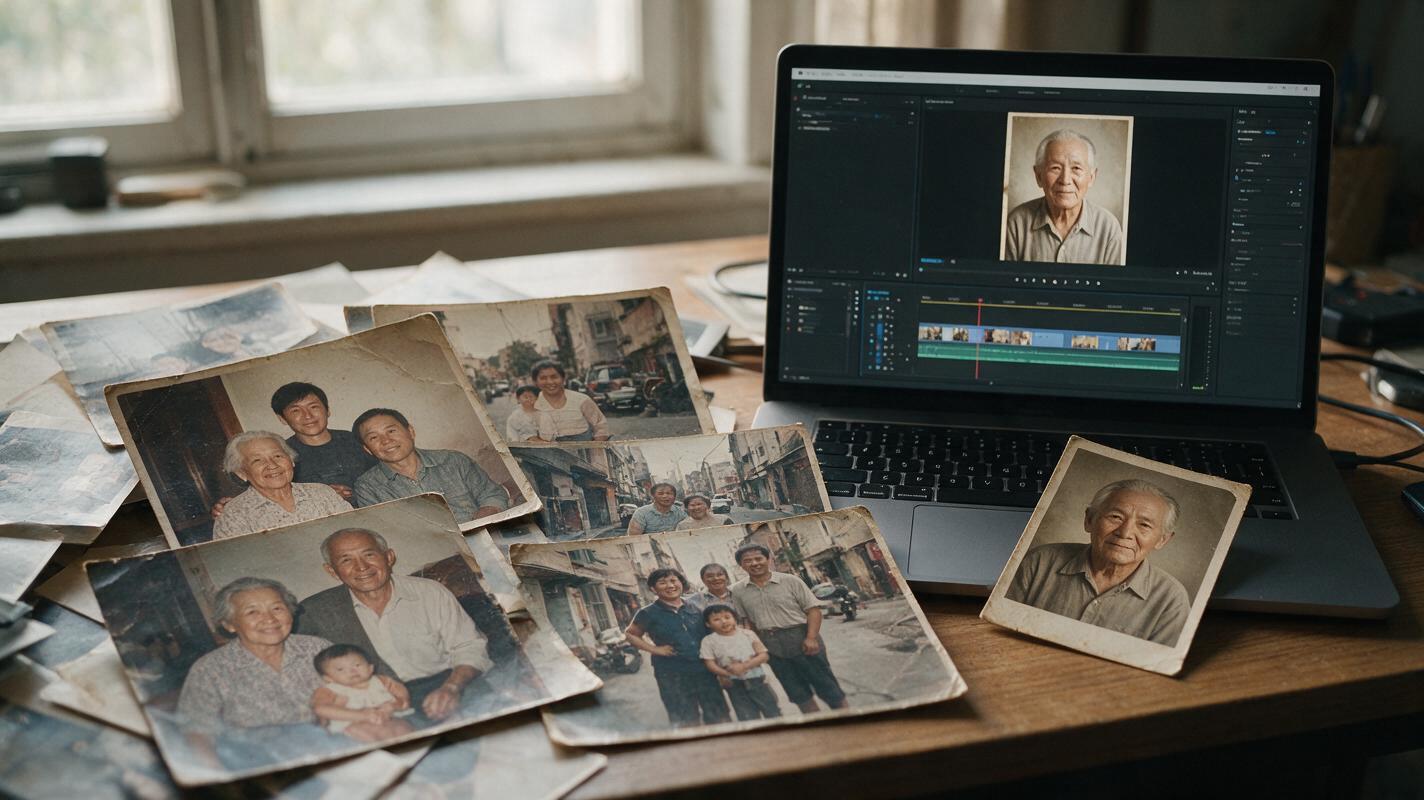
Kling Prompts to Animate Old Photos Without Warping Faces
Turn old photographs into restrained cutaways for faceless YouTube videos using Kling image animation prompts. Learn which movements are least likely to distort faces, when to keep the original photo on screen, and how to make the result clear to viewers.
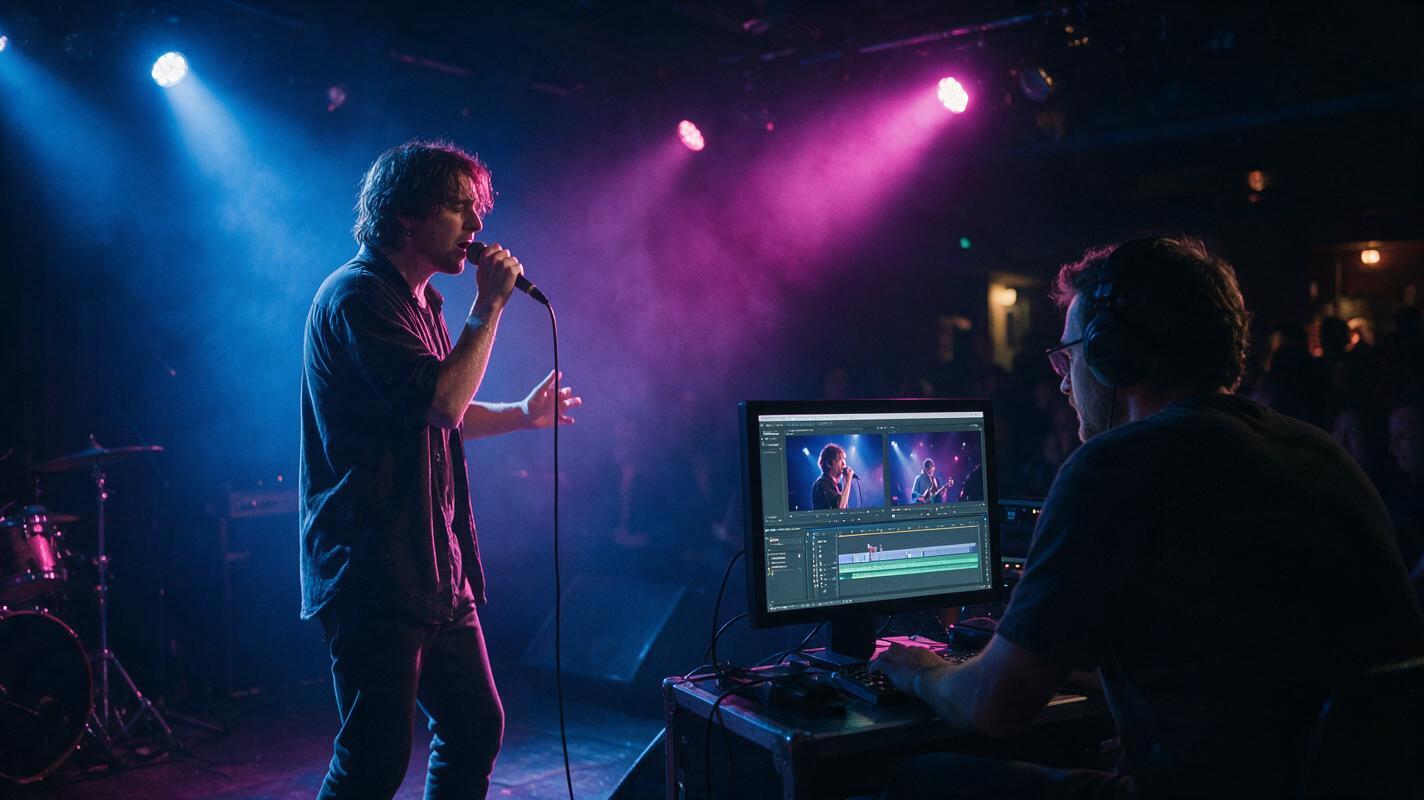
How to Denoise Low-Light Concert Video Without Waxy Faces
Low-light concert footage often combines color noise, compression artifacts, motion blur, and rapidly changing stage lights. This practical workflow shows how to denoise video conservatively, preserve facial texture, and document the improvement with matched-frame evidence.
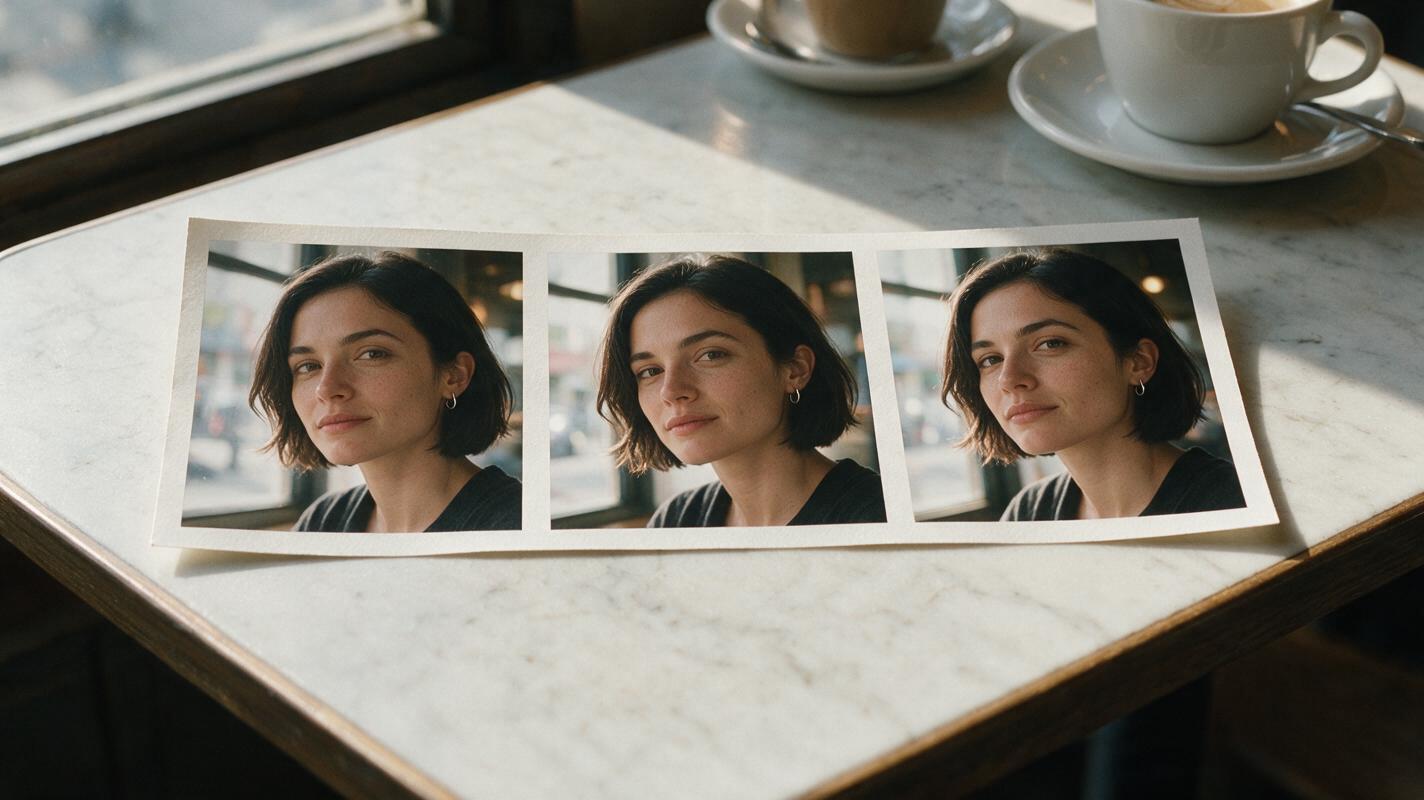
How to Keep the Same Face During an AI Video Camera Orbit
A camera orbit can change a character’s face even when the shot never cuts. This guide shows how to anchor the front, profile, and rear views of one fictional character, prepare an orbit-ready reference frame, and review the angles where identity drift becomes visible.
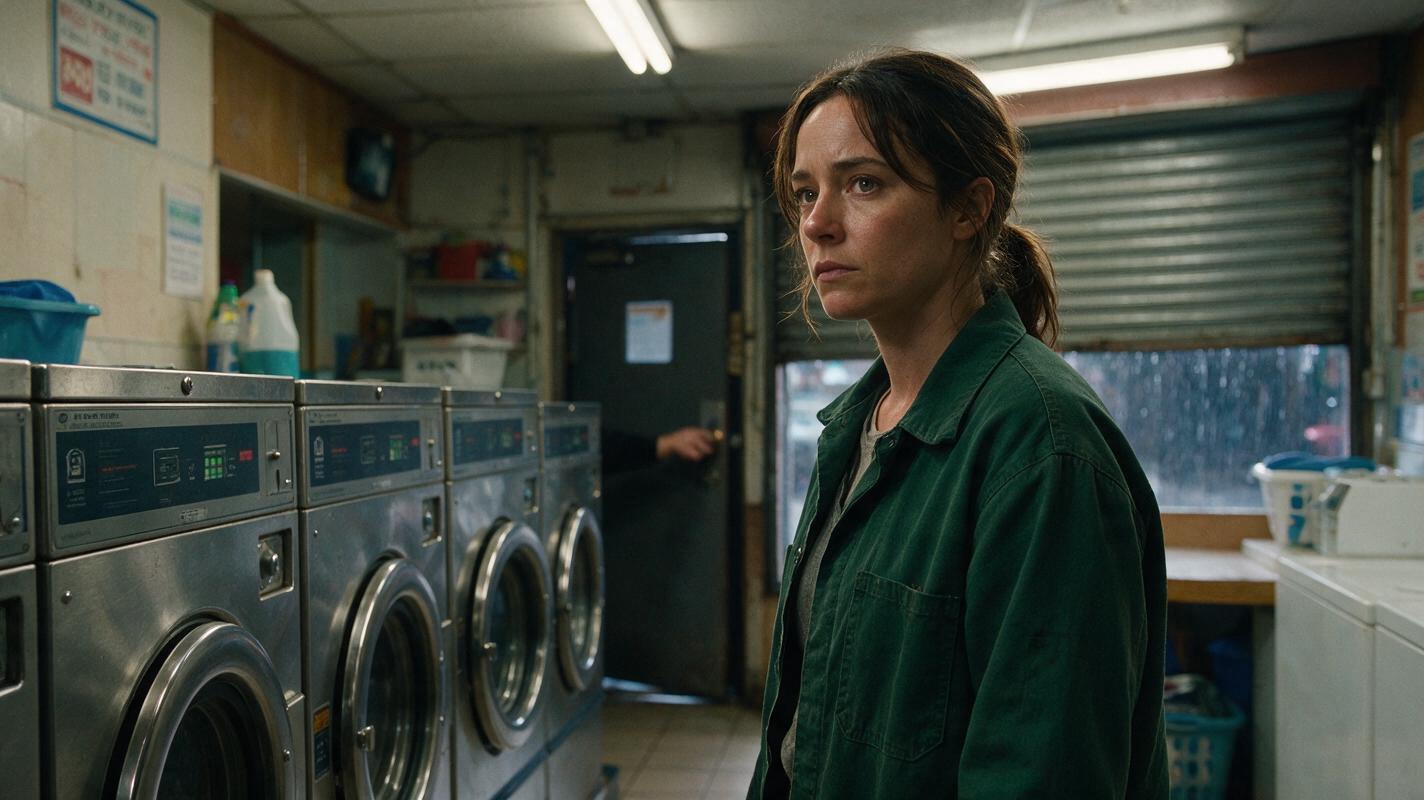
How to Stage an Unseen Threat in an AI Short Drama
An unseen threat can create suspense without forcing an AI video model to render a complicated attacker, chase, or fight. This tutorial builds the scene from visible evidence, locked geography, boundary frames, restrained motion, and sound-led editing.
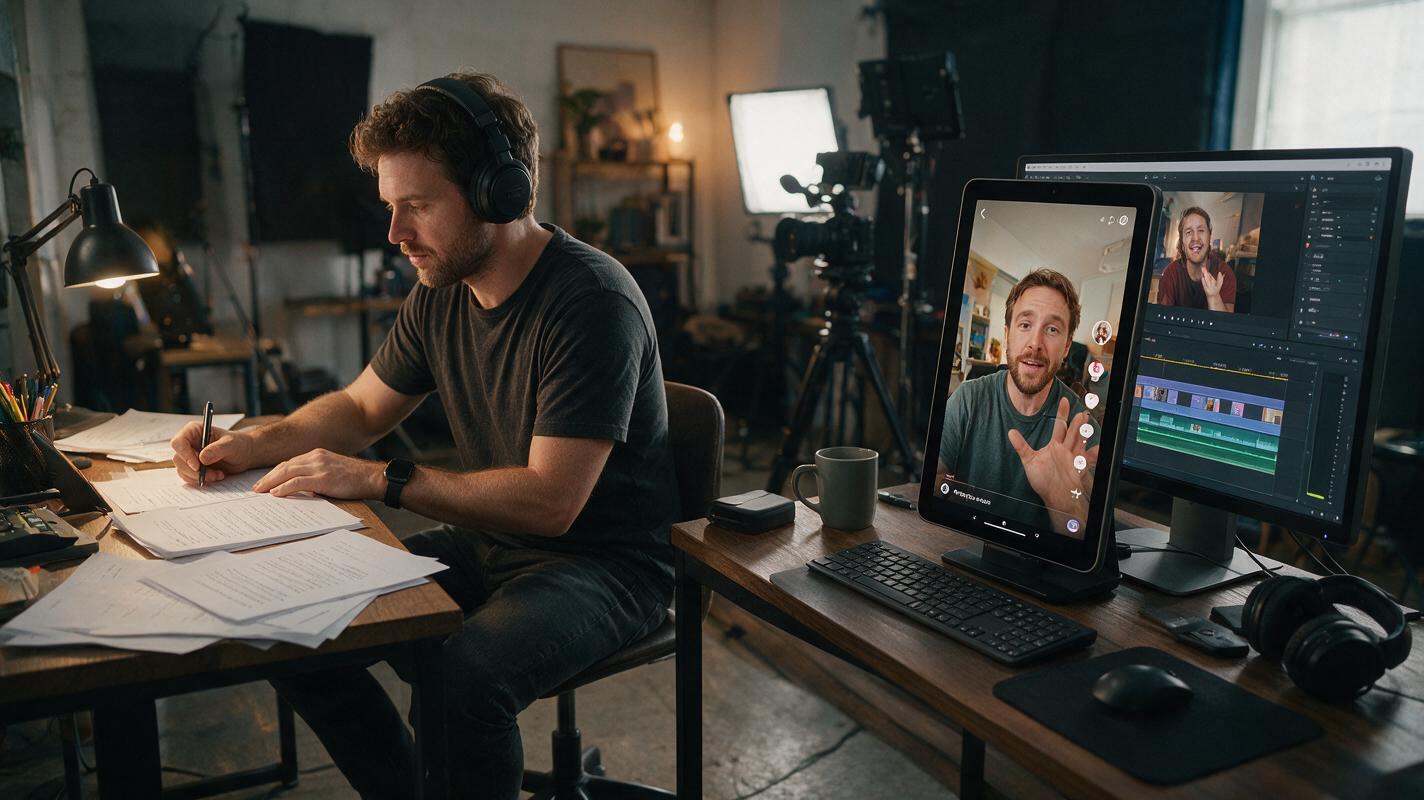
How to Make a Vertical AI Story Video From a Script for Social Media
Learn how to turn a standard script into a polished vertical AI story video optimized for TikTok, Instagram Reels, and YouTube Shorts. This step-by-step guide covers short-form script adaptation, vertical safe-zone storyboarding, pacing tweaks for social retention, and text overlay planning. No prior video editing experience is required to follow the workflow.
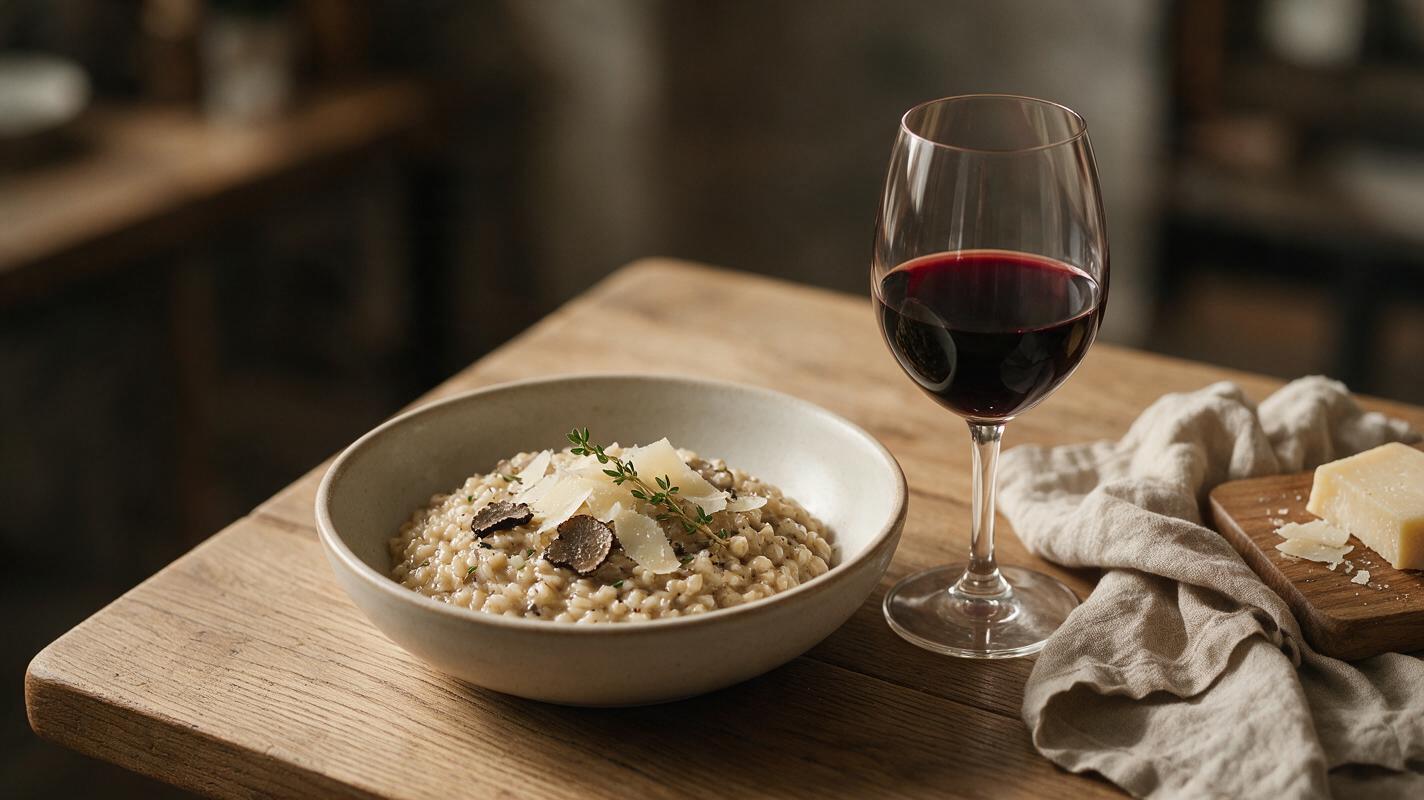
How to Generate Cohesive Food & Beverage Pairing Photos for Menus
Restaurant menus, tasting pages, and seasonal promotions rely on cohesive food and beverage pairing photos to convey value and intentionality, but AI-generated pairs often suffer from mismatched lighting, props, and styling. This guide shares a reference-locked workflow using Nano Banana Pro to create professional, consistent food and drink pairing assets for every marketing use case. It includes reusable prompt templates, fixes for common style mismatches, and repurposing tips for menus and social media.
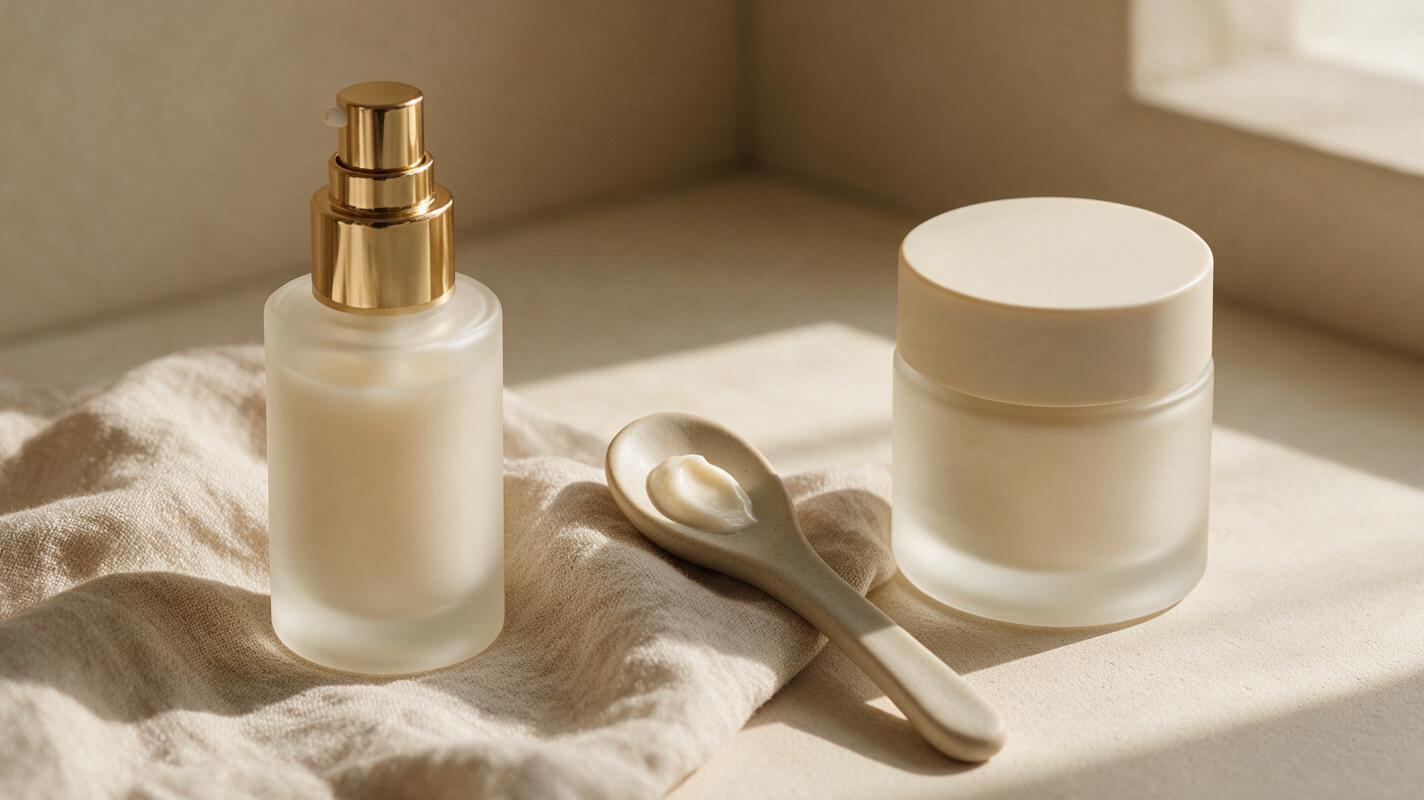
Seedream 4.5 vs Nano Banana Pro for Skincare Product Photography
Choosing the right AI image model for skincare product photography directly impacts ad performance, especially for texture accuracy and brand consistency. This head-to-head comparison of Seedream 4.5 and Nano Banana Pro evaluates both models across key beauty use cases: texture shots, packaging accuracy, campaign visuals, and ingredient hero shots. You’ll get clear tradeoffs, sample prompts, and use case recommendations for your brand.
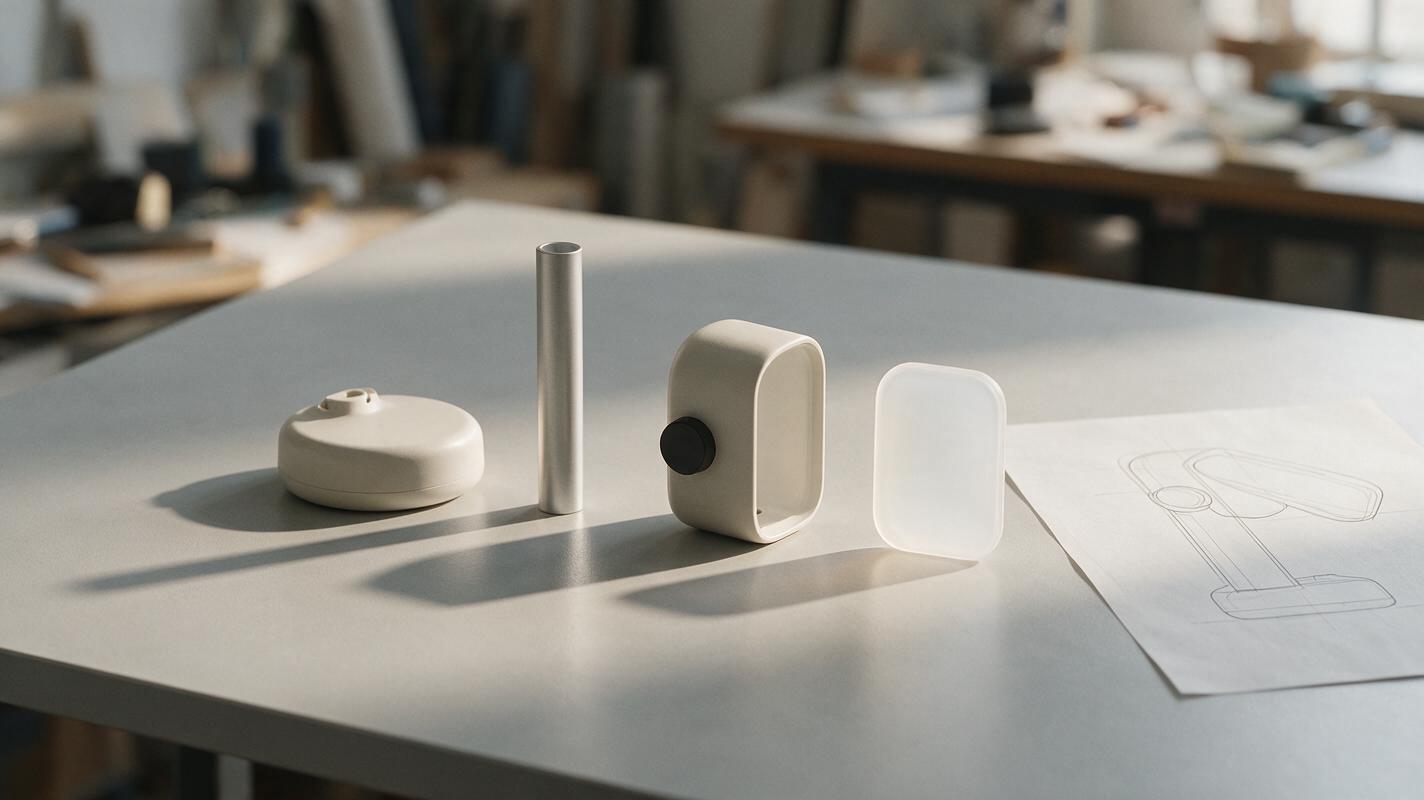
AI Exploded-View Product Renders Without Invented Parts
An AI-generated exploded view can make a product concept easier to discuss, but it can also invent fasteners, internals, and assembly relationships. This guide shows product designers how to build a presentation view from an approved parts list, control what the image implies, and review the result before sharing it.