Blog
Discover the latest from MagicBoat
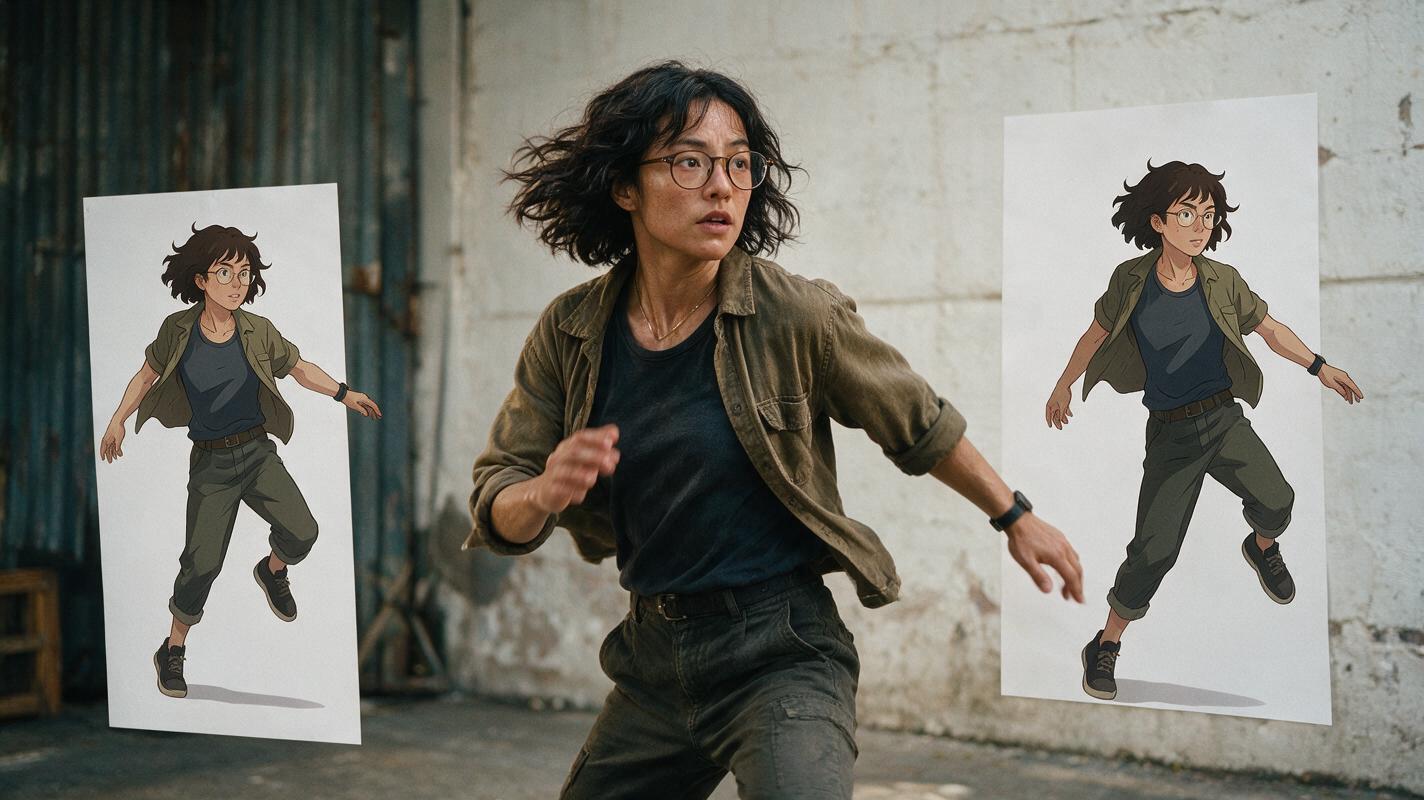
Motion Transfer AI Video: Bring Character Art to Life With Real Movement
Learn how to use motion transfer AI video to animate static character illustrations with natural human movement for short films. This practical guide covers character reference preparation, motion source selection, motion mimic generation, artifact fixing, and consistency tips across multiple scenes.

How to Keep the Same AI Video Character From Wide Shot to Close-Up
A distant establishing shot may show too little facial detail to anchor the close-up that follows. This tutorial uses a character sheet, a shared location reference, and an intermediate shot to preserve recognizable identity across the cut.
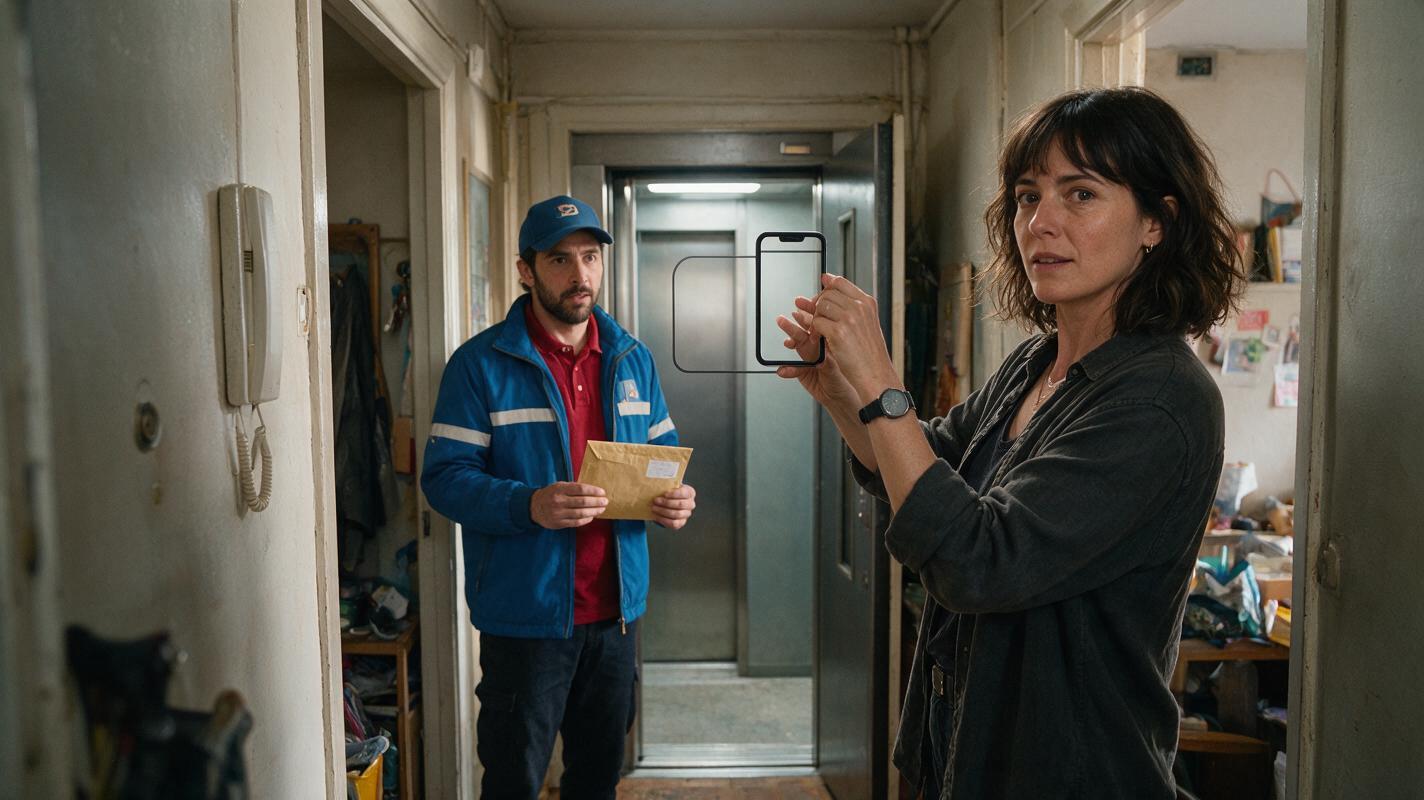
How to Make a Vertical AI Short Drama Without Awkward Cropping
A vertical AI short drama should be designed for 9:16 before frames are generated, not cropped after production. This tutorial shows how to convert a script into vertical shot cards, lock character-safe compositions, direct controlled motion, and test every cut on a phone-sized preview.

Novel to Video: Visualize Internal Monologue Without Heavy Voiceover
Learn how to adapt a novel’s internal monologue into cinematic action, visual motifs, subjective shots, and controlled sound instead of explaining every thought with narration. This practical workflow moves from prose analysis to character references, AI storyboards, generated clips, and a clarity-focused edit.
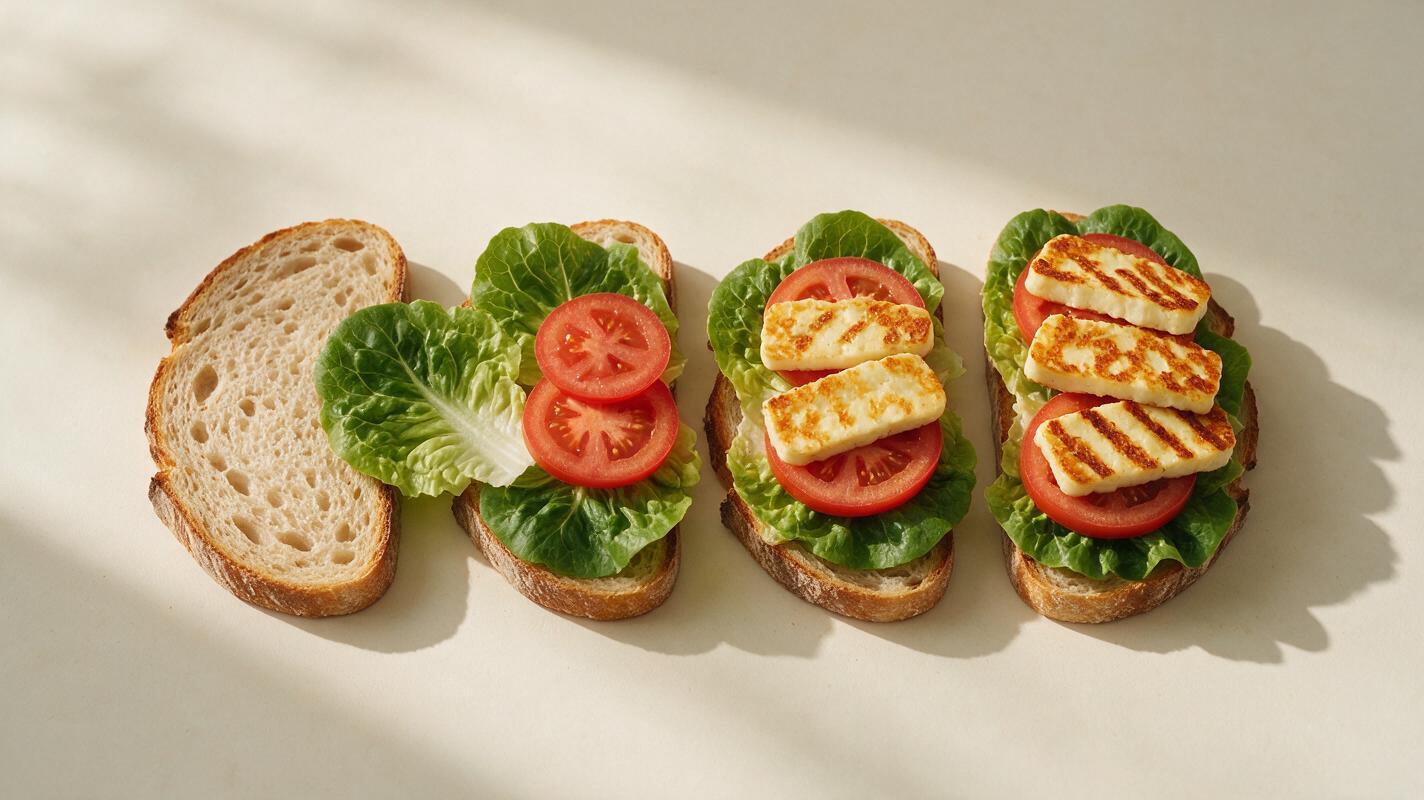
AI Stop-Motion Food Ads Without Duplicated or Drifting Ingredients
AI stop-motion food ads often fail when ingredients multiply, change shape or slide between frames. This practical Vidu workflow uses continuity boards, reference frames and controlled movement prompts to produce cleaner social videos for restaurants and food brands.
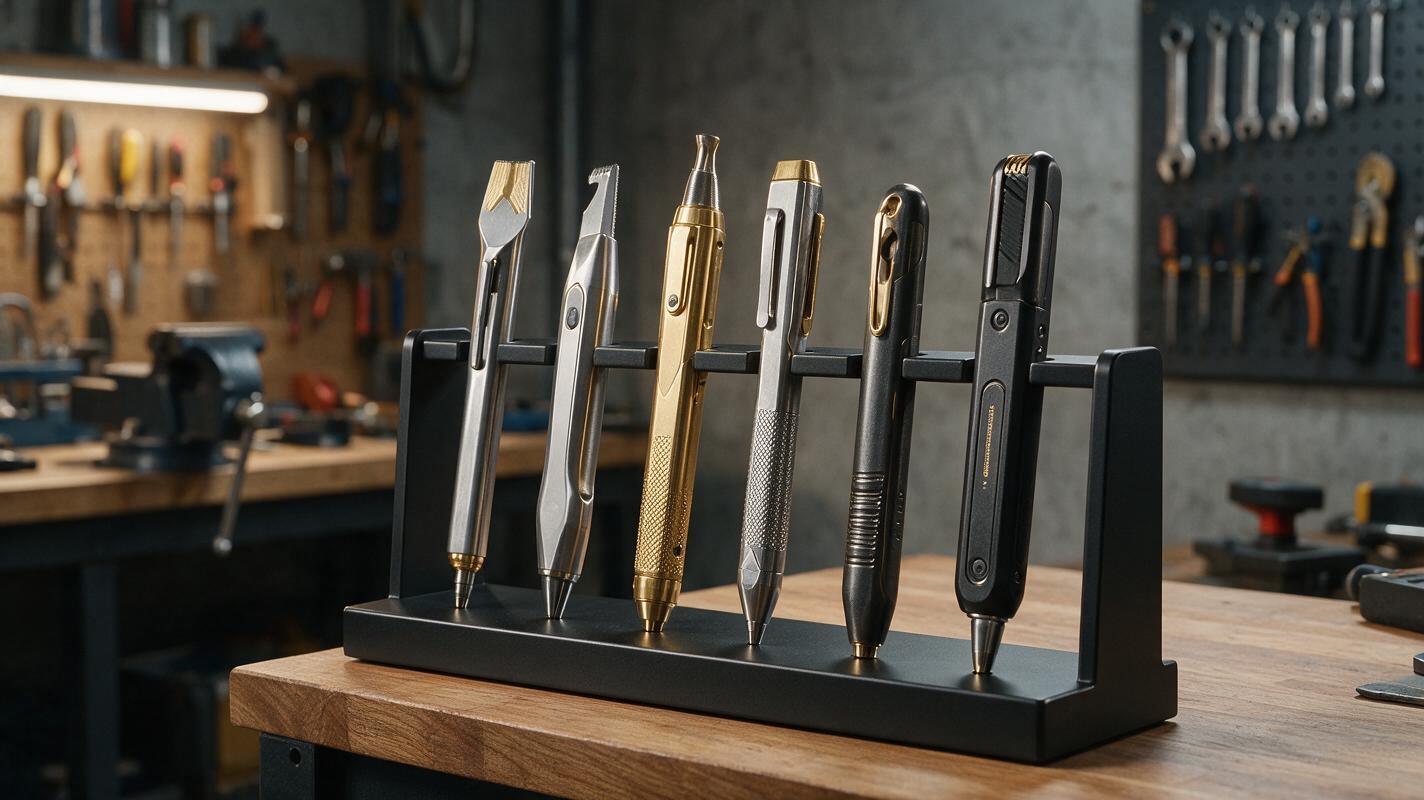
Sora Alternatives: 6 Best Tools for Consistent AI Video Characters (2026)
OpenAI’s Sora delivers impressive photorealistic AI video but lacks dedicated character consistency tools, making it hard to maintain the same protagonist across multiple clips. This roundup compares 6 verified Sora alternatives with built-in character lock or reference features, tested using a standardized reference image and three unique scene prompts. We include pricing, use cases, and a free way to test multiple models side-by-side without separate accounts.

Seedream 4.5 Prompts for Natural Makeup Looks on Mature Skin (No Cakey Lines)
AI-generated makeup visuals often render mature skin with cakey texture, over-airbrushed fine lines, and unnaturally heavy product application. This article shares reusable Seedream 4.5 prompt templates for natural, age-appropriate makeup looks on mature skin, plus troubleshooting fixes for common rendering issues. Beauty brands and content creators can use these prompts to build authentic, inclusive campaign assets that resonate with 40+ demographics.
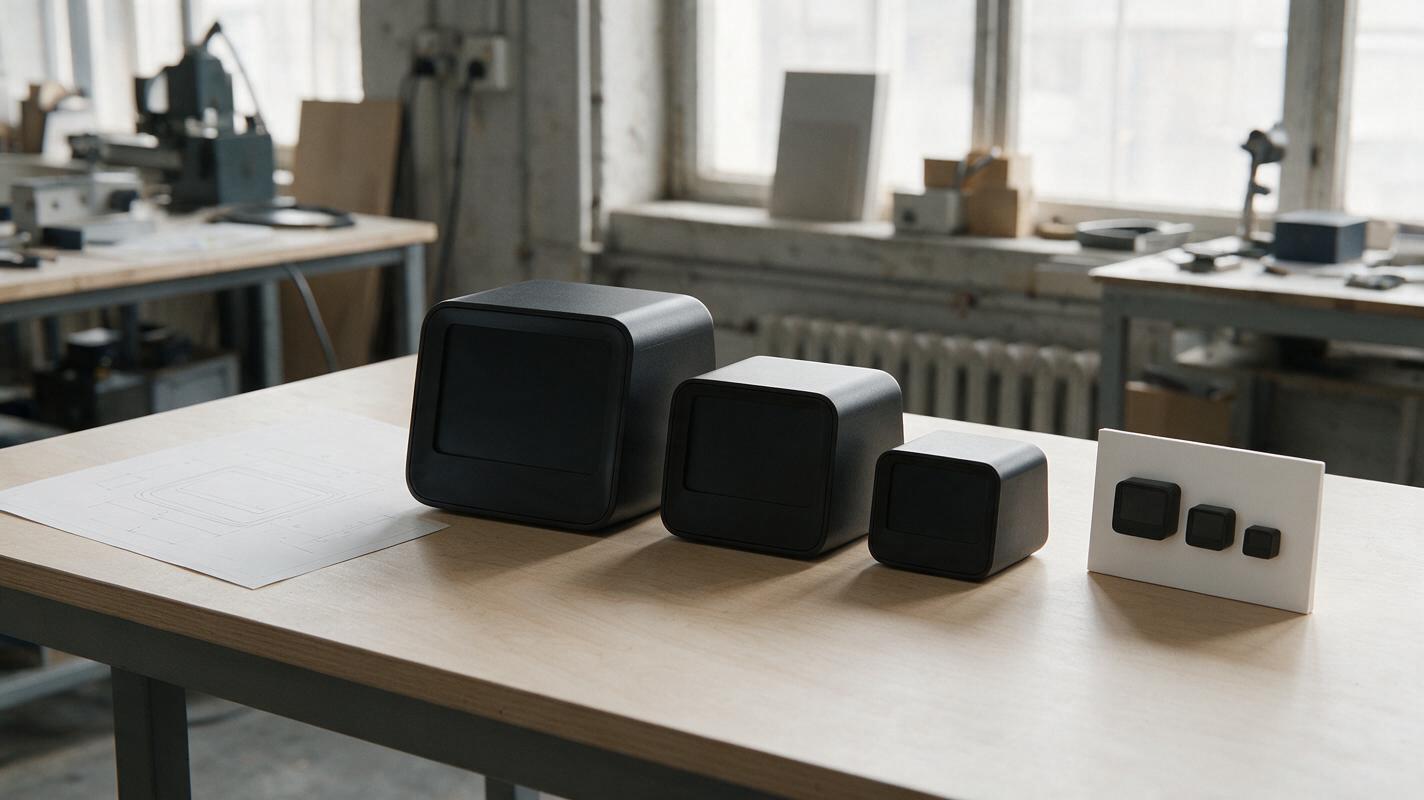
AI Product Size Comparisons That Don’t Mislead Design Reviews
A polished comparison board can make a large product look smaller than a competing concept if each render is framed independently. This guide shows industrial designers how to combine measured front-view exports with an AI-generated presentation stage while keeping every concept at a shared scale.
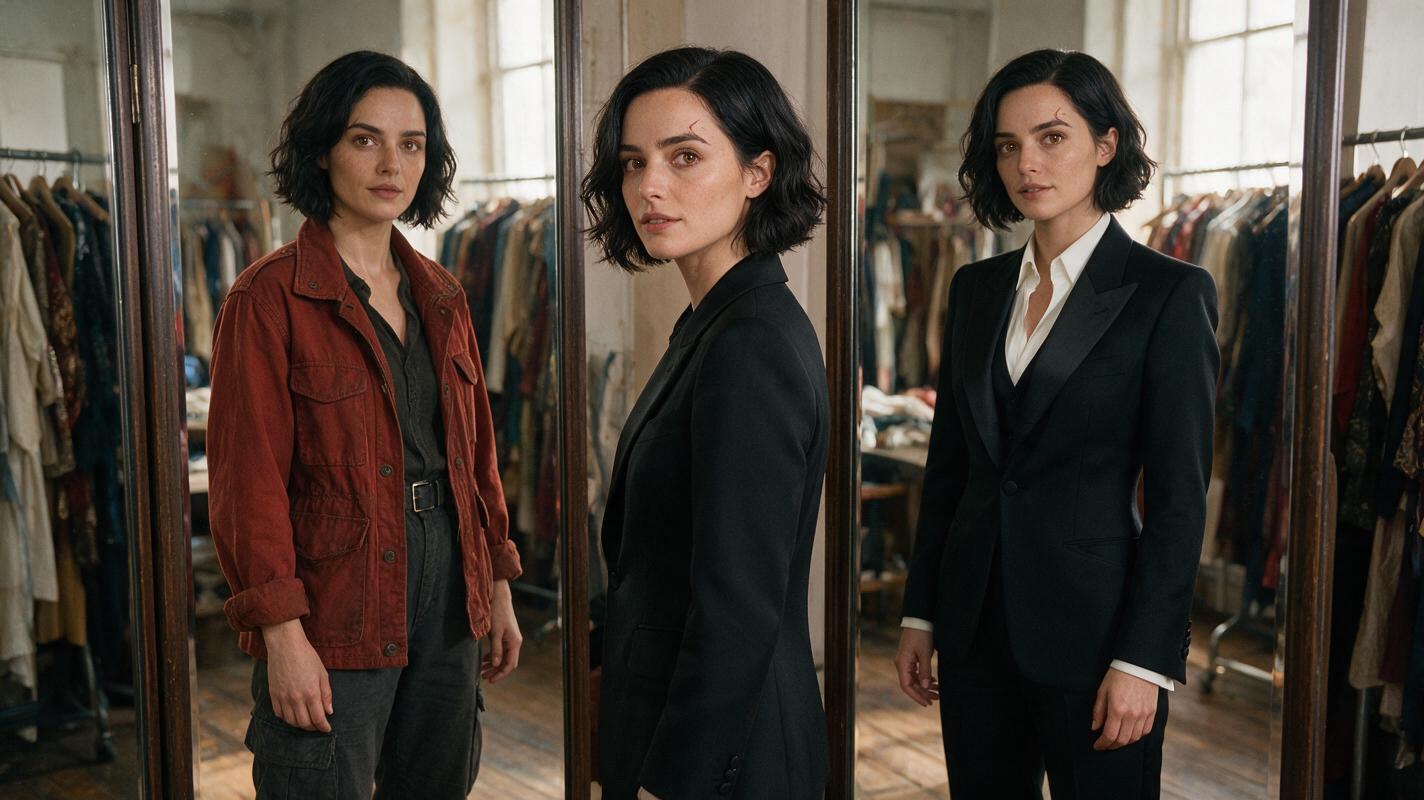
How to Change Outfits Without Losing Character Consistency
Keep the same AI character recognizable through wardrobe changes by separating permanent identity traits from editable clothing traits. The fastest workflow is to build an identity-only reference sheet, create controlled outfit keyframes, and animate those approved frames instead of asking a video model to redesign the character mid-shot.

How to Create Controlled Object Transformations with Image to Video
Create a clean AI object transformation by defining the start, bridge, and final states before generating motion. This workflow uses reference images, restrained prompts, and short image-to-video clips to prevent uncontrolled melting, background drift, and abrupt shape changes.
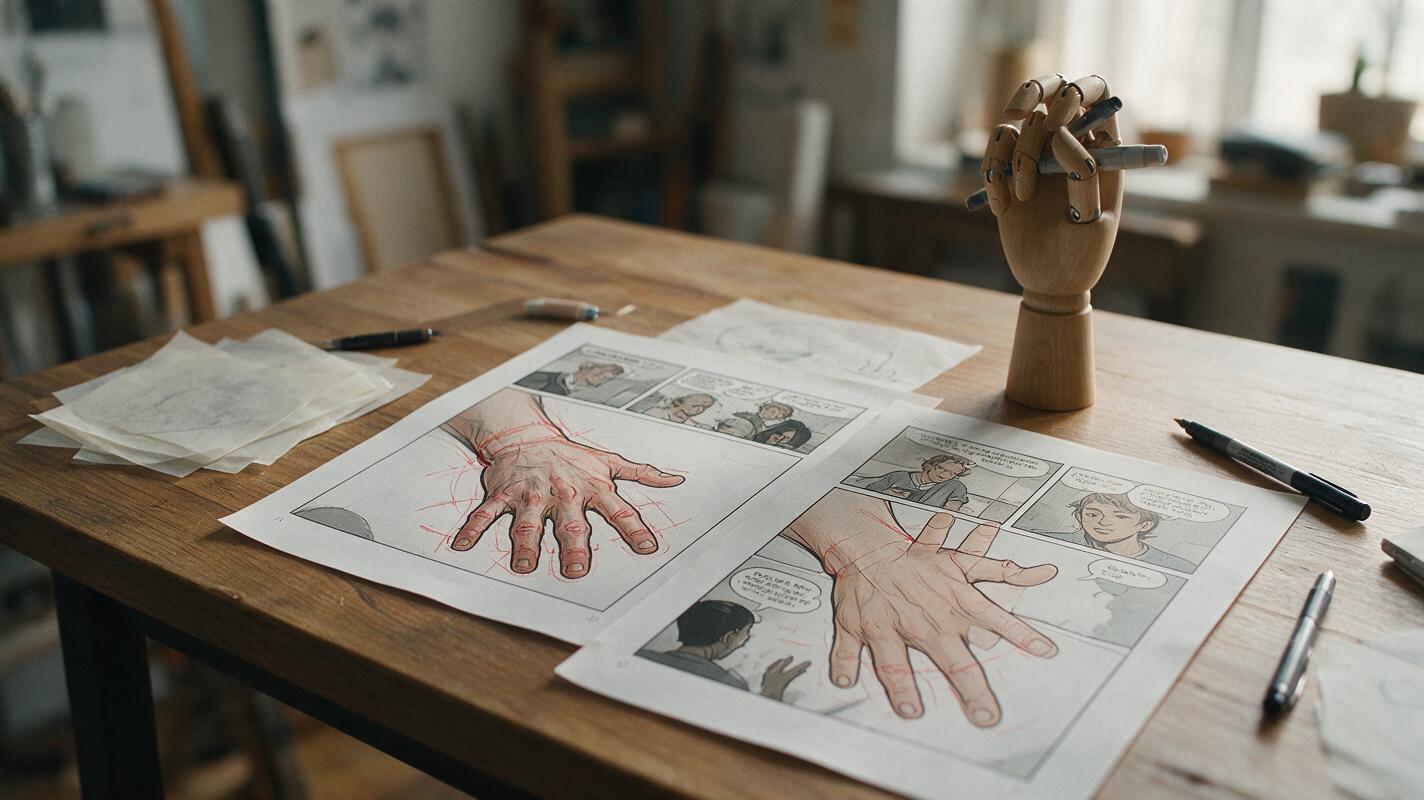
Fix AI Comic Hands Without Redrawing the Whole Panel
Malformed fingers, unstable grips, and drifting hand designs can ruin an otherwise finished comic panel. This practical workflow uses localized Nano Banana Pro edits, action-based prompts, and three-scale inspection to repair hands while preserving the character, composition, and drawing style.
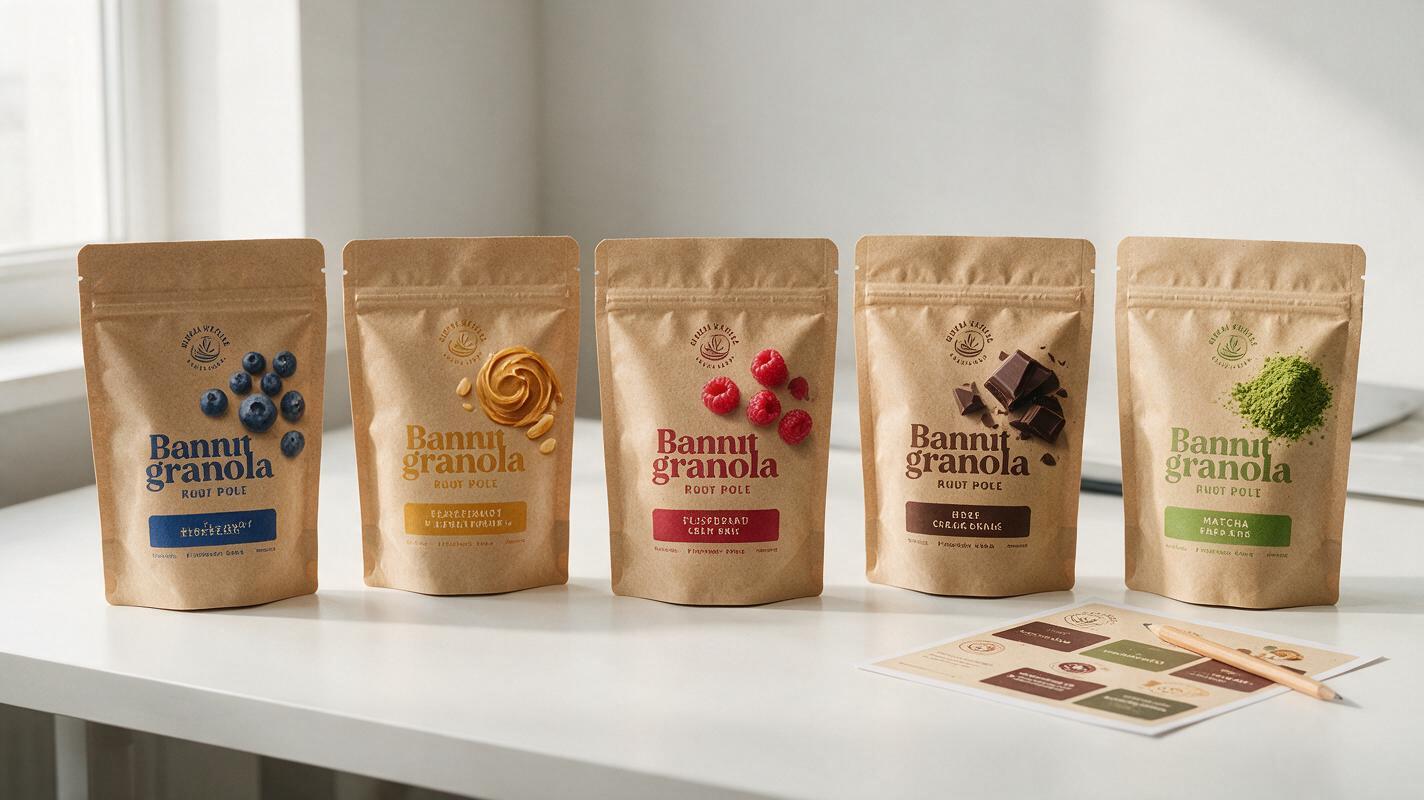
Why AI Packaging SKU Variants Lose Brand Consistency (3 Fixes With Imagen)
AI-generated packaging variants for multi-SKU product lines often drift in logo placement, typography, and core layout, failing to read as a cohesive brand family. This article breaks down three key causes of this inconsistency and shares actionable fixes using Imagen, including reference-locked brand systems, controlled variant prompting, and targeted text refinement. It includes reusable prompt templates and a quality checklist to help packaging and brand designers create production-ready SKU sets faster.