Blog
Discover the latest from MagicBoat
How to Generate Furniture and Material Variations from a Single Layout using Flux
Learn how to use Flux to instantly generate photorealistic material, lighting, and furniture variations from a single white-box interior sketch or layout.
Turn Static Interior Renders into Walkthrough Videos with Kling
Learn how to transform single 3D interior renders into cinematic, moving walkthroughs. This workflow uses Kling and Runway to add realistic camera motion and lighting shifts to static room concepts.
How to Turn a Lesson Script Into a 60-Second AI Explainer Video
Create a focused 60-second educational explainer by reducing your lesson to one objective, planning visual beats, generating controlled source frames, and animating them as short clips. This tutorial includes reusable prompts, model-selection guidance, pacing tips, and a troubleshooting table for common AI video problems.
How to Turn Environment Concept Art Into Game Trailer Flythroughs With Kling
Static environment concept art is great for design reviews, but game teams often need moving footage for pitch decks and trailer teasers without building a full 3D scene. This tutorial walks through using Kling’s image-to-video tool to generate smooth, style-consistent flythroughs that preserve every detail of your original concept art, with troubleshooting for common issues like perspective warp and prop drift. You’ll learn exact input prep steps, optimized settings, and reusable prompt templates to create usable flythrough footage in minutes.
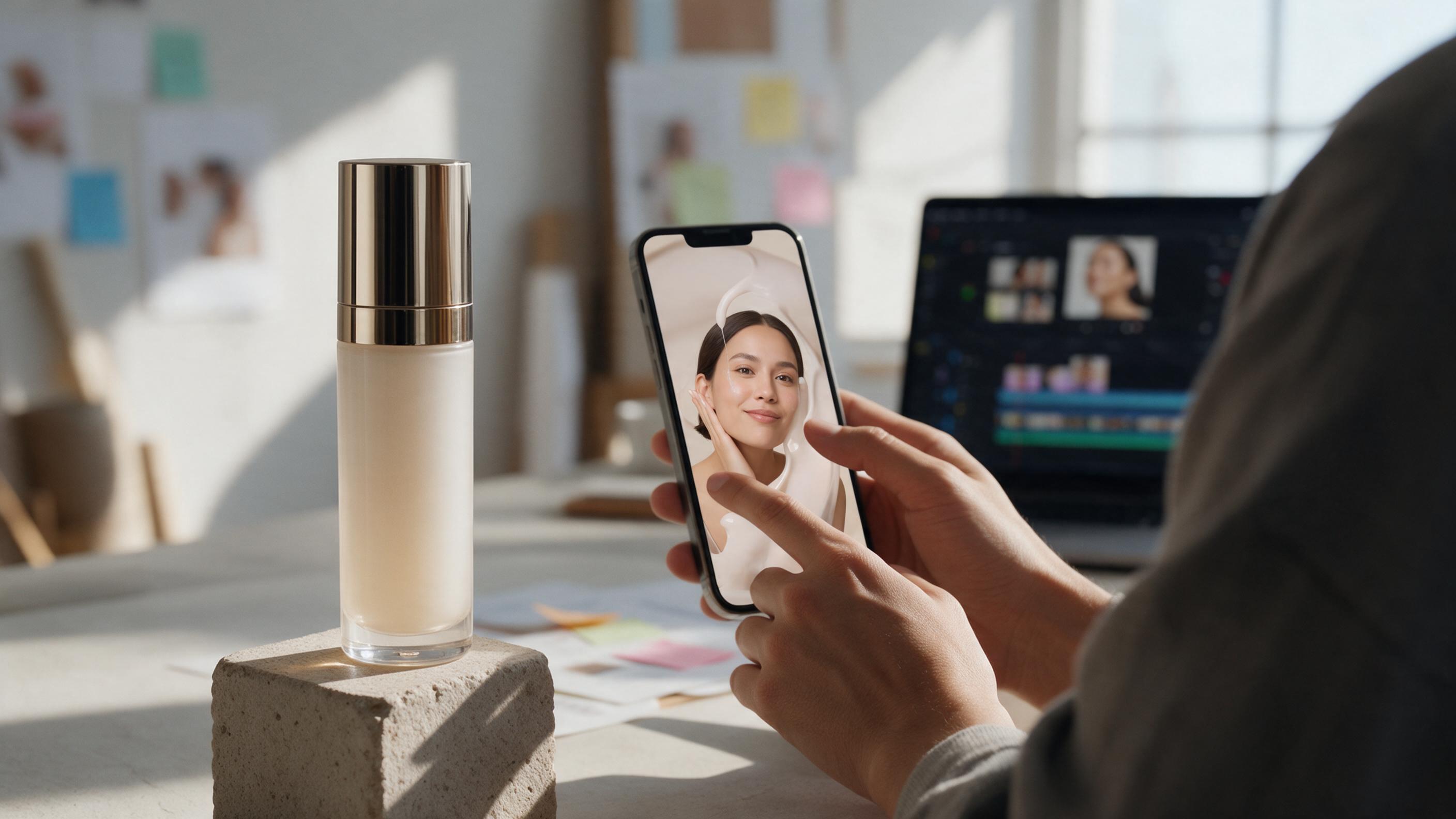
How to Turn Product Photos Into Seamless Looping Ads With Kling
Learn how to animate a static product photo with Kling and turn it into a short, seamless loop for social ads, product pages, and launch campaigns. This practical workflow covers source-image selection, controlled motion prompts, loop construction, text overlays, and common distortion fixes.
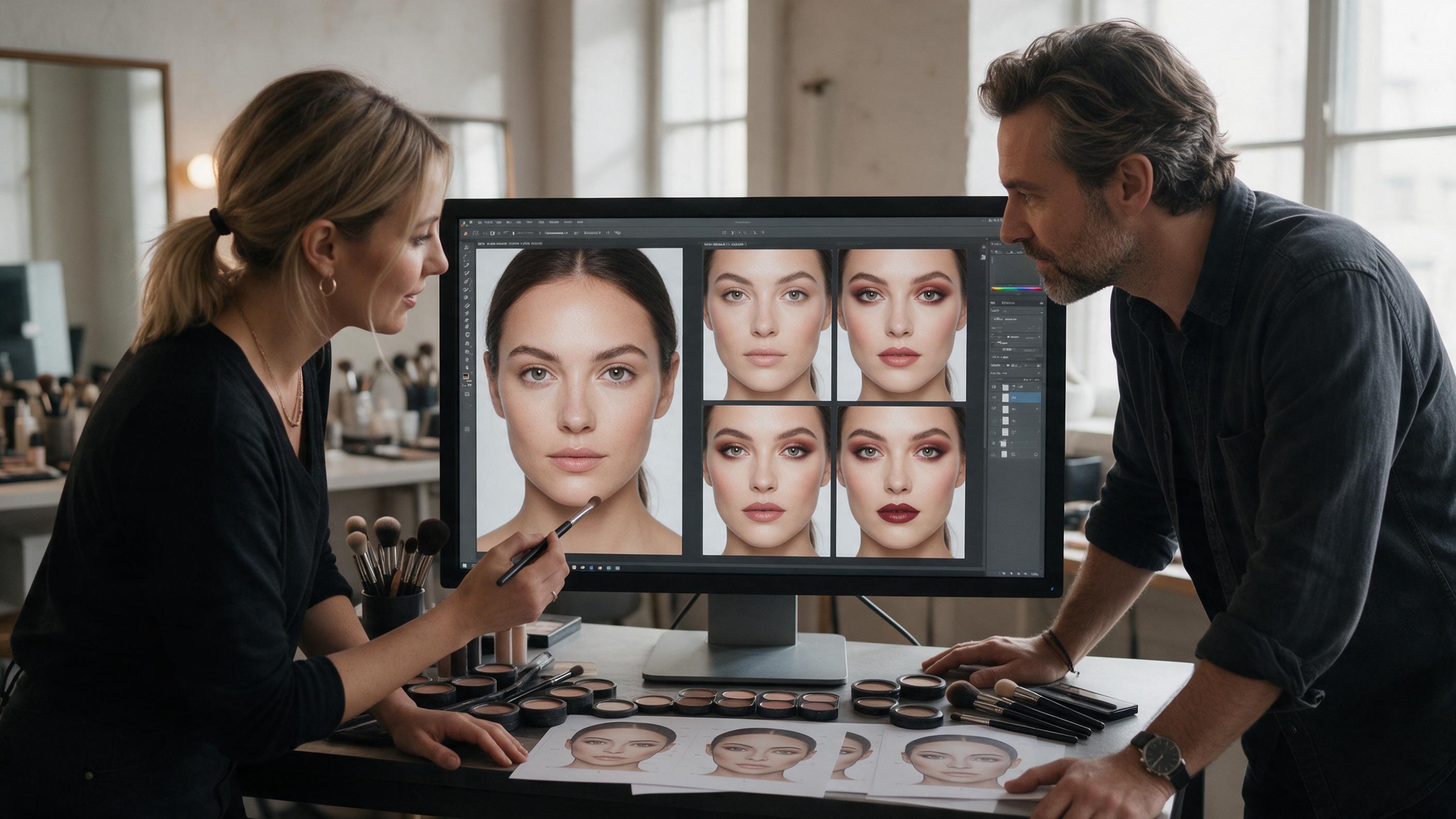
AI Makeup Generator Tutorial: Change the Look, Not the Face
Learn how to generate realistic makeup variations while preserving facial identity, skin texture and lighting. This practical workflow includes model-selection criteria, reusable prompts, comparison methods and fixes for the most common AI beauty editing failures.
How to Turn Character Concept Art Into Consistent Animation With Seedance
Static character concept art fails to convey movement and personality in game pitches, and most AI video tools cause unwanted character drift or style shift. This step-by-step tutorial teaches game designers and concept artists to use Seedance’s image to video pipeline to generate consistent, blur-free concept animation clips from a single reference image, with reusable prompts and troubleshooting for common issues. The workflow takes 10–15 minutes per clip and works for all character art styles.
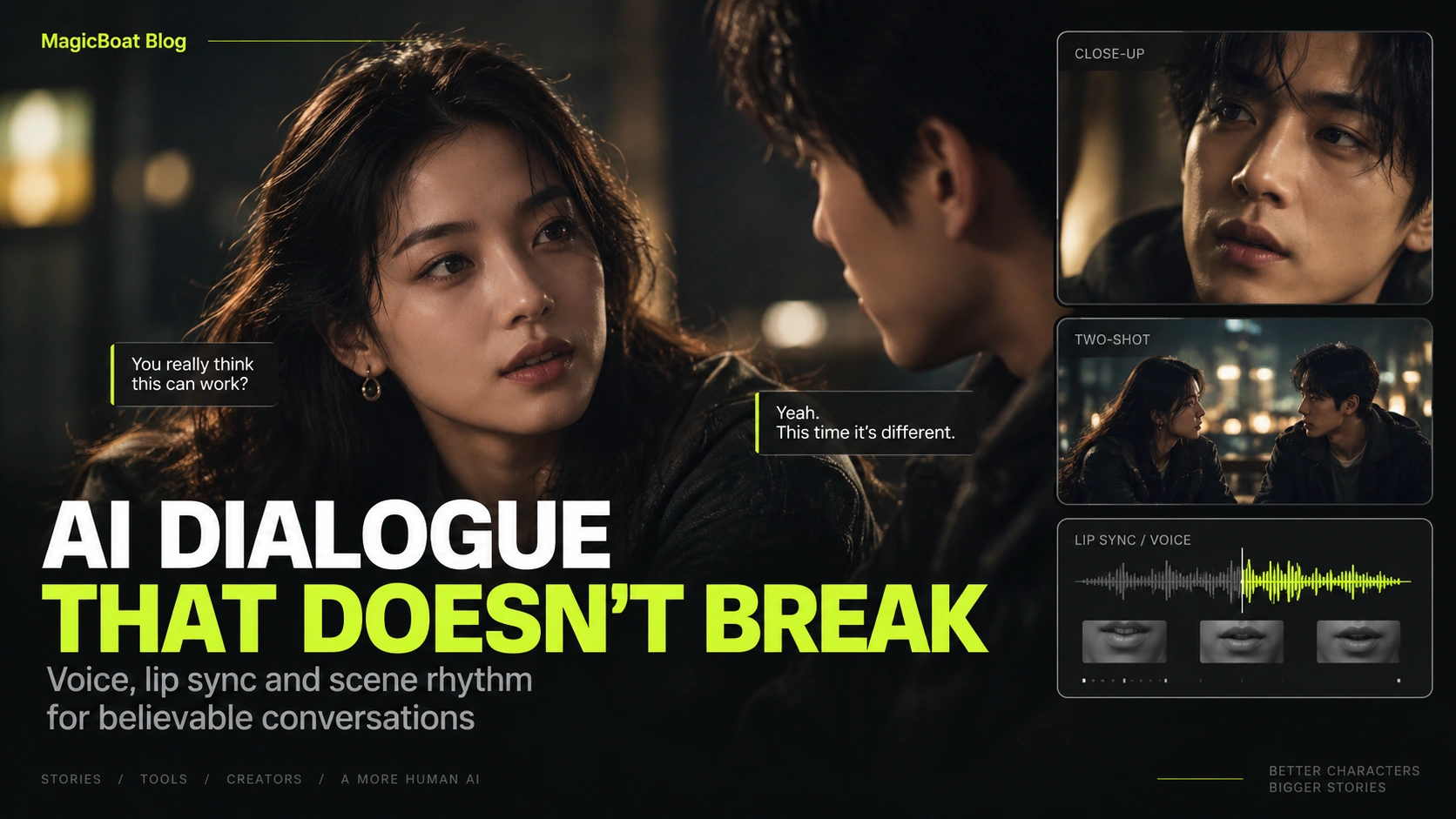
AI Dialogue That Doesn't Break: Voice, Lip Sync & Scene Rhythm for Believable Conversations
Dialogue scenes are where a lot of AI films fall apart. The problem usually is not only lip sync. It is the whole scene rhythm: line length, reaction timing, coverage and how much of the conversation you force into one shot.
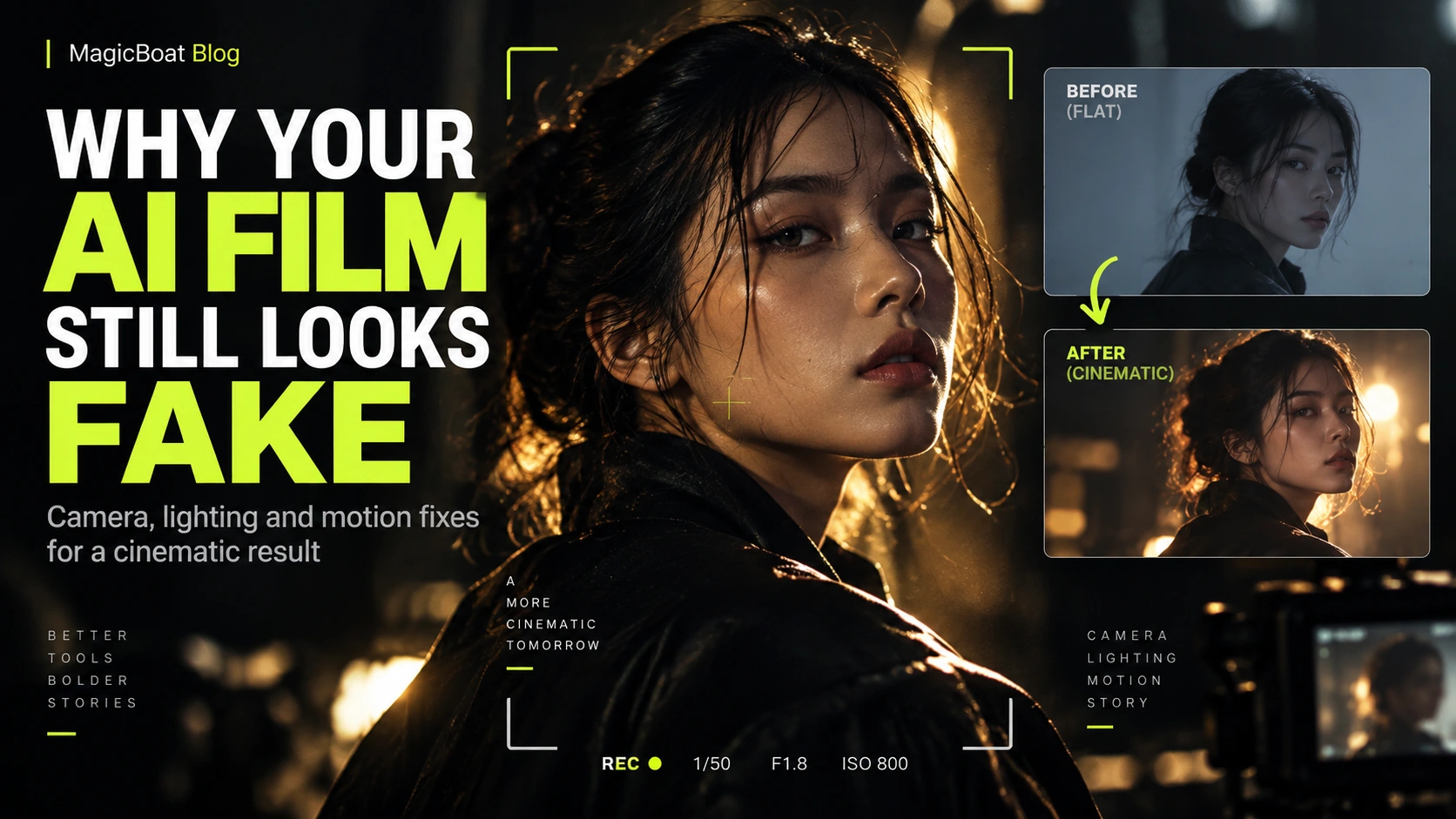
Why Your AI Film Still Looks Fake: Camera, Lighting & Motion Fixes That Actually Help
“Cinematic” is not a magic adjective. AI films usually feel fake because the prompt is vague about shot language, lighting motivation, and human performance.
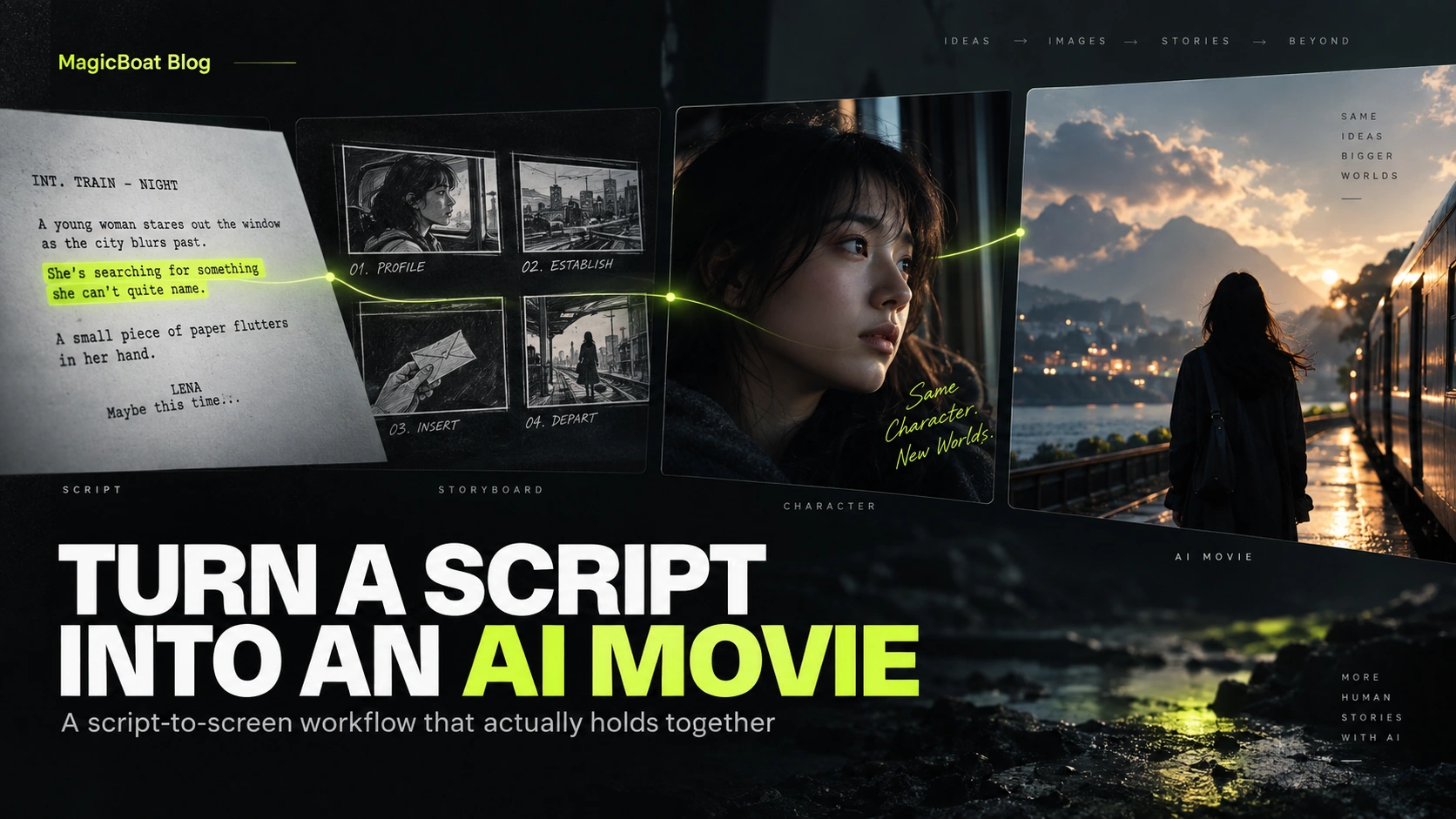
Turn a Script Into an AI Movie: The Script-to-Screen Workflow That Actually Holds Together
The most common script-to-AI-video mistake is trying to jump from screenplay pages straight to finished motion. A better workflow turns the script into scenes, shots, references and edit logic before animation starts.
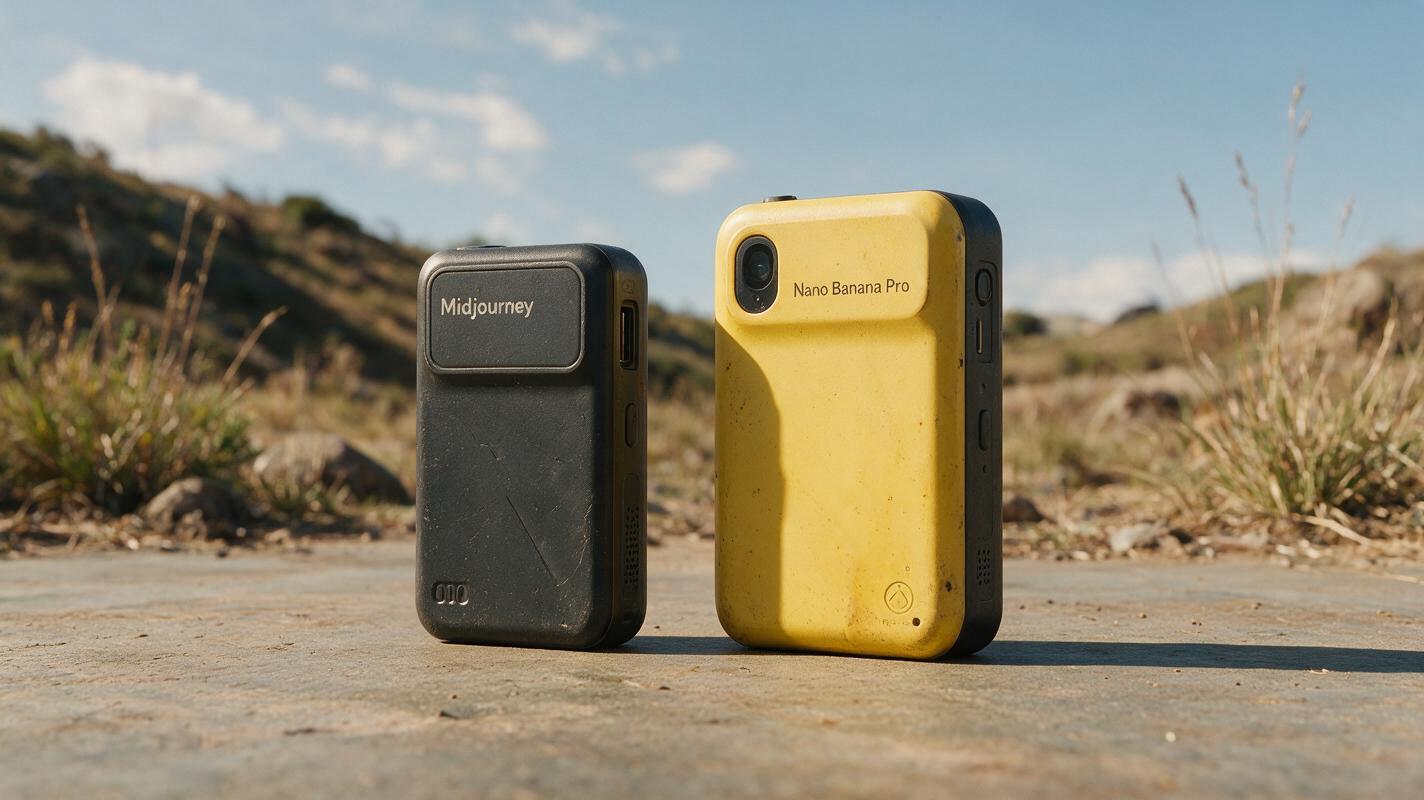
Midjourney vs Nano Banana Pro for Matching Brand Illustration Style
Wondering which AI model best replicates your client’s existing brand illustration style for new campaign assets? This head-to-head comparison of Midjourney and Nano Banana Pro breaks down performance across key criteria like style accuracy, detail retention, color consistency, and ease of use, with actionable prompts and use case recommendations for each tool. By the end, you’ll know exactly which model to pick for your next illustration-focused brand project.
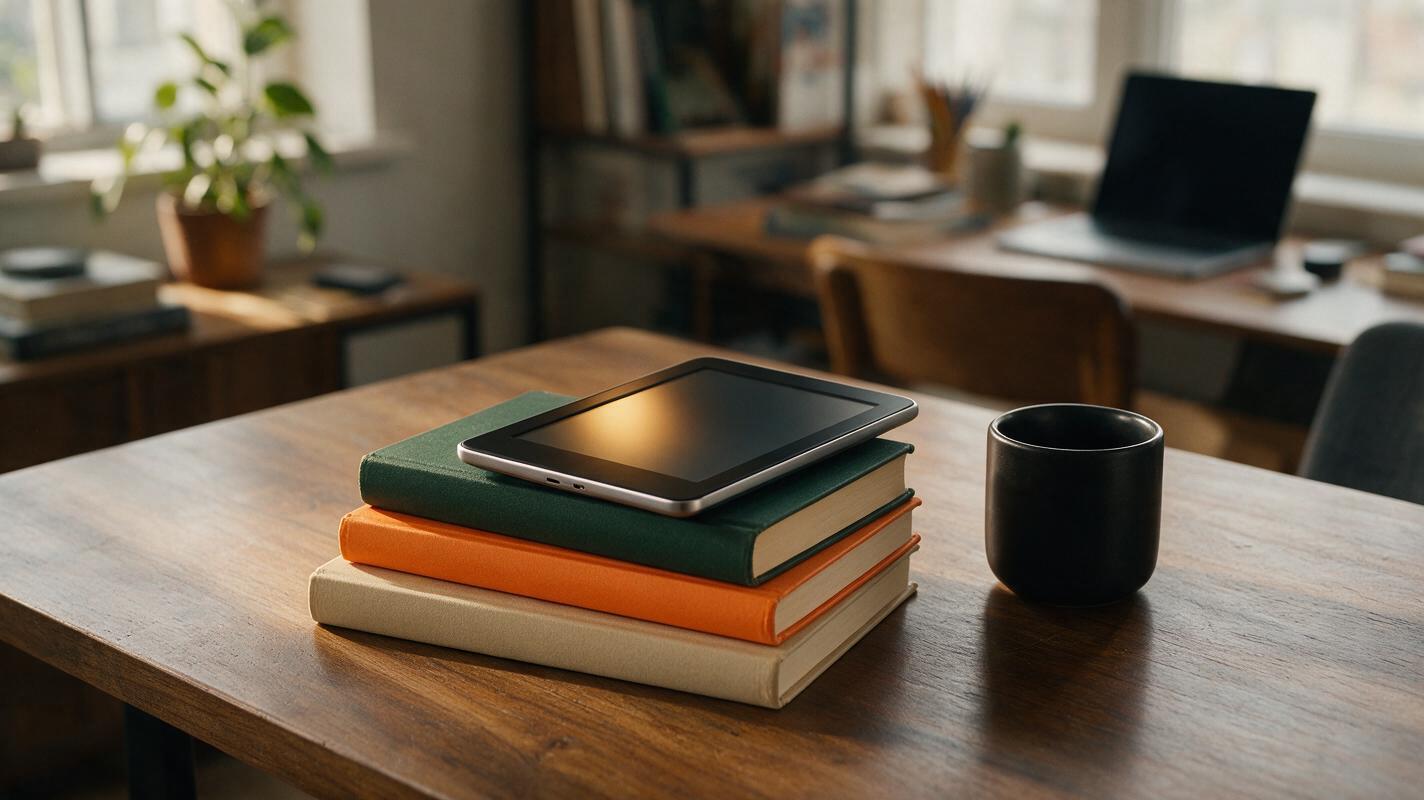
Flux Prompts for Photorealistic Product Lifestyle Images (No Generic AI Look)
Ecommerce marketers often struggle with generic, AI-looking product lifestyle images that fail to resonate with shoppers and hurt conversion rates. This collection of Flux prompts delivers photorealistic, conversion-focused lifestyle images for apparel, beauty, home goods, and electronics, with pro tips to avoid the generic AI stock look. Use these templates to create on-brand product imagery faster and at a fraction of the cost of traditional photoshoots.