Blog
Discover the latest from MagicBoat
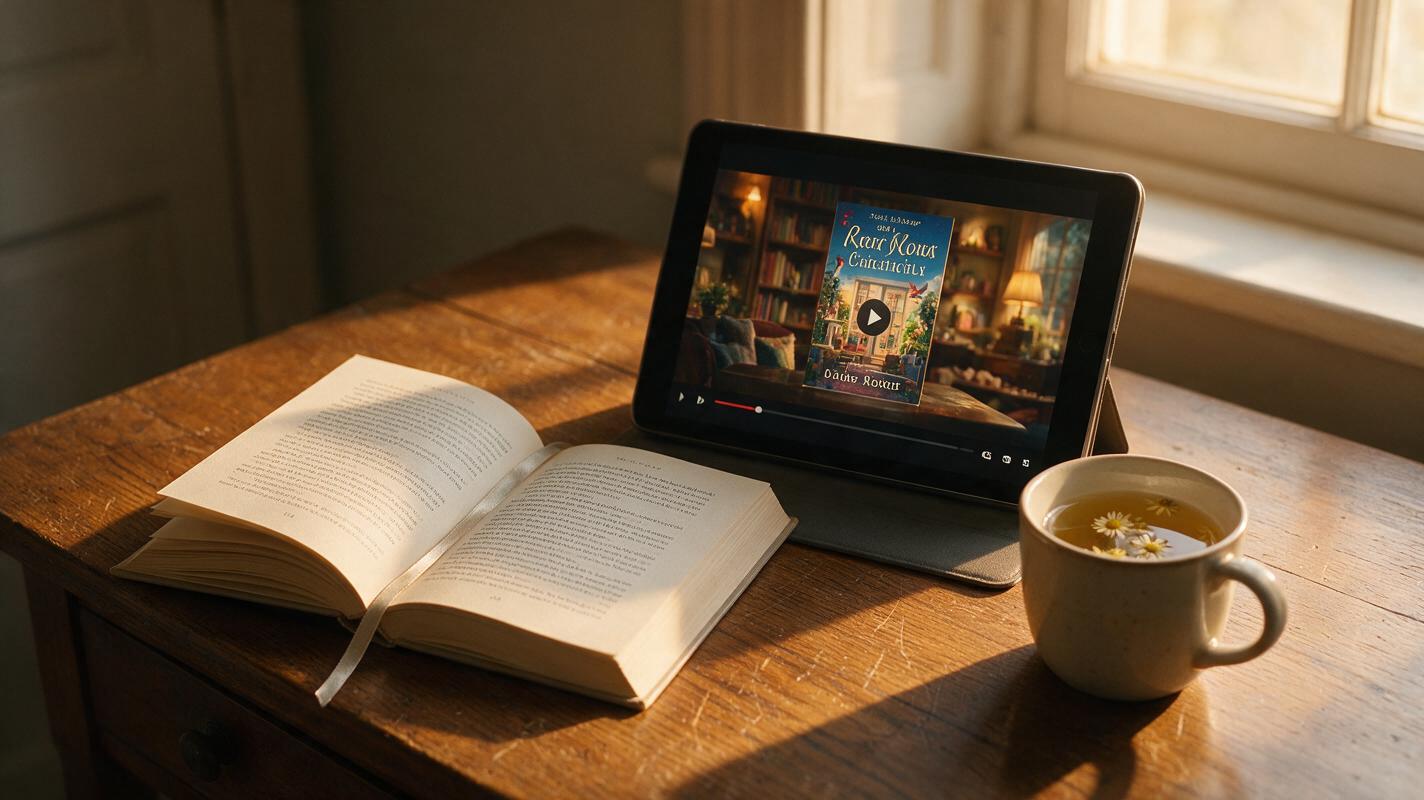
Novel to Video: Create a 30-Second AI Book Trailer From an Excerpt
Turning a novel excerpt into a snappy 30-second book trailer is fast and accessible with novel to video AI tools, no film crew required. This guide walks you through adapting a 100-200 word excerpt into a tight trailer script, generating a consistent AI storyboard, rendering motion clips, and assembling a final polished video with voiceover and text overlays. You’ll get copyable prompts for every stage and pacing tips to hook viewers in the first 3 seconds.
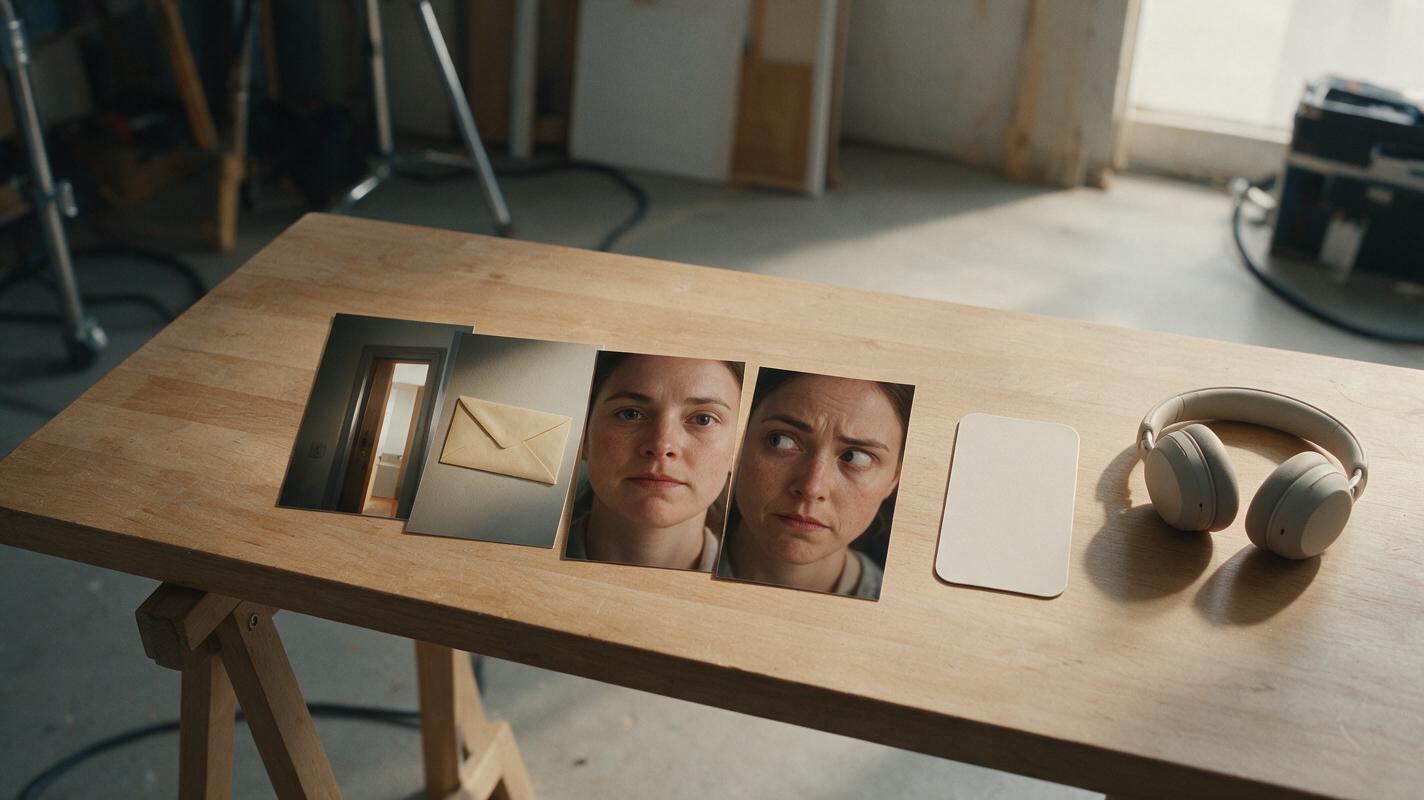
How to Generate Edit-Ready Coverage with an AI Short Film Generator
An AI-generated shot can look polished and still be impossible to edit. This tutorial shows how to create cut-ready coverage, clean edit handles, modular performances, and repair shots for a vertical AI microdrama.
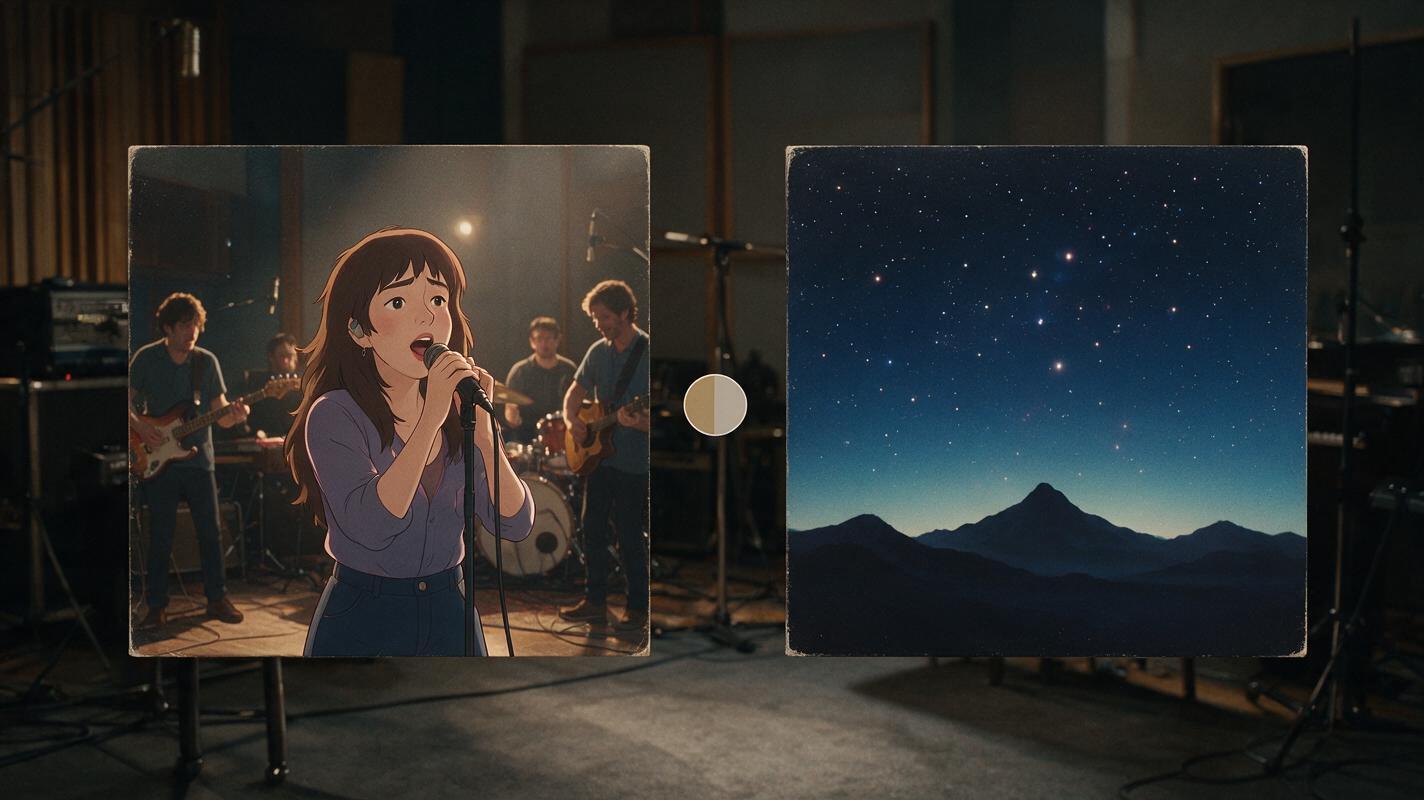
PixVerse vs Luma for Animated Album Cover Promos: Which Is Better?
Animated album cover promos are a high-converting release week asset, but picking the wrong AI tool can lead to warped text, off-brand colors, and wasted time. This side-by-side test compares PixVerse and Luma on style consistency, motion quality, export specs, and pricing for turning static cover art into vertical social media clips. We break down clear tradeoffs and recommendations tailored to independent musicians.

Animate Image to Video: Make Vintage Product Reels Without Filming
Static vintage product photos fail to grab attention on short-form social media, but you don’t need filming equipment to bring them to life. This guide walks through a step-by-step workflow to animate image to video using AI, tailored for small vintage sellers and resellers making vertical Reels and TikTok clips. You’ll get copyable prompts, prep tips, and export settings to create natural-looking animations without uncanny artifacts.
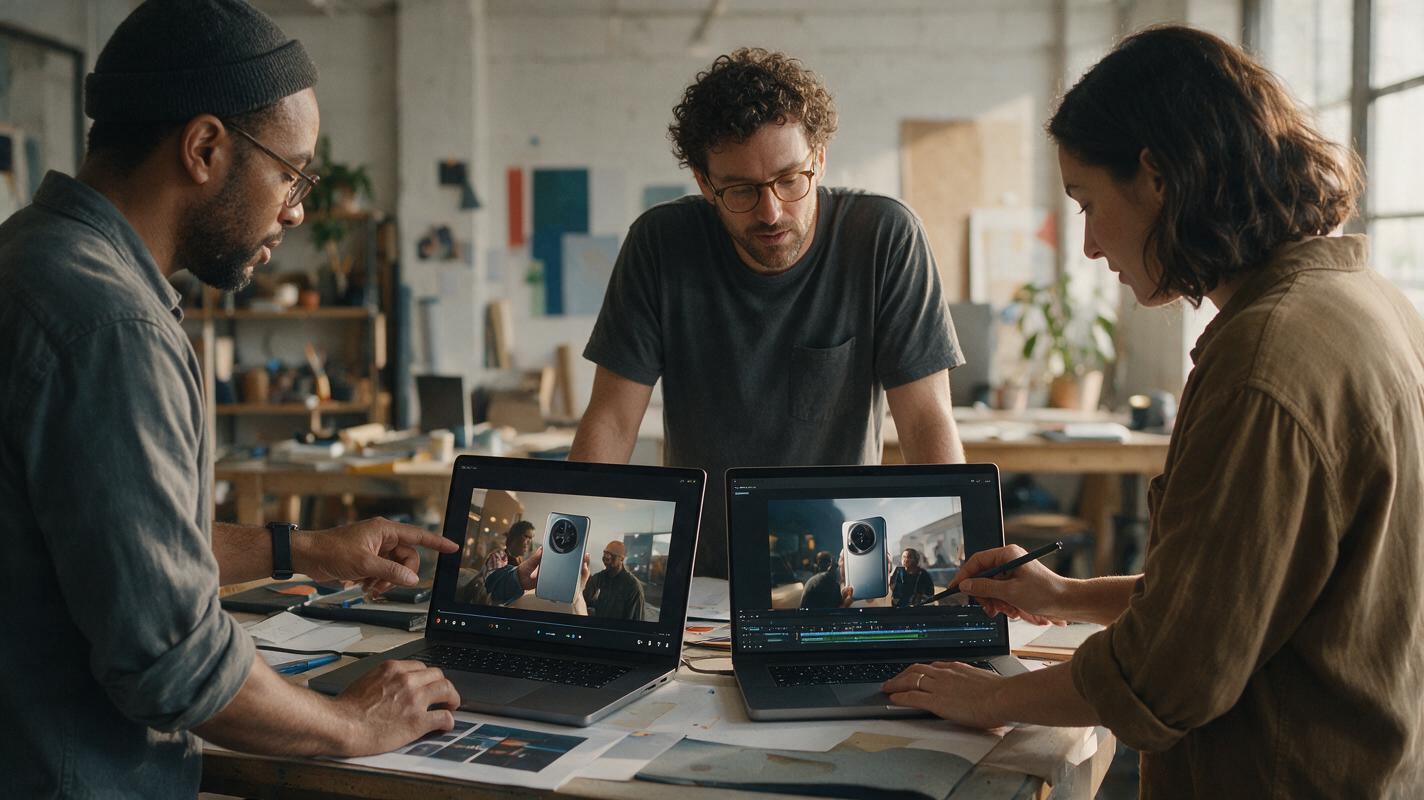
Veo vs Runway for Product Launch Videos: Which Makes Better Social Ads?
This head-to-head comparison evaluates Google Veo and Runway Gen-3 for 15-30 second DTC product launch videos, testing cinematic lifestyle integration, opening hook quality, product accuracy, and ad readiness. It breaks down tradeoffs for different launch goals, from high-end brand campaigns to fast-paced performance social ads. Ecommerce marketers will get a clear, actionable recommendation based on their budget, timeline, and campaign priorities.
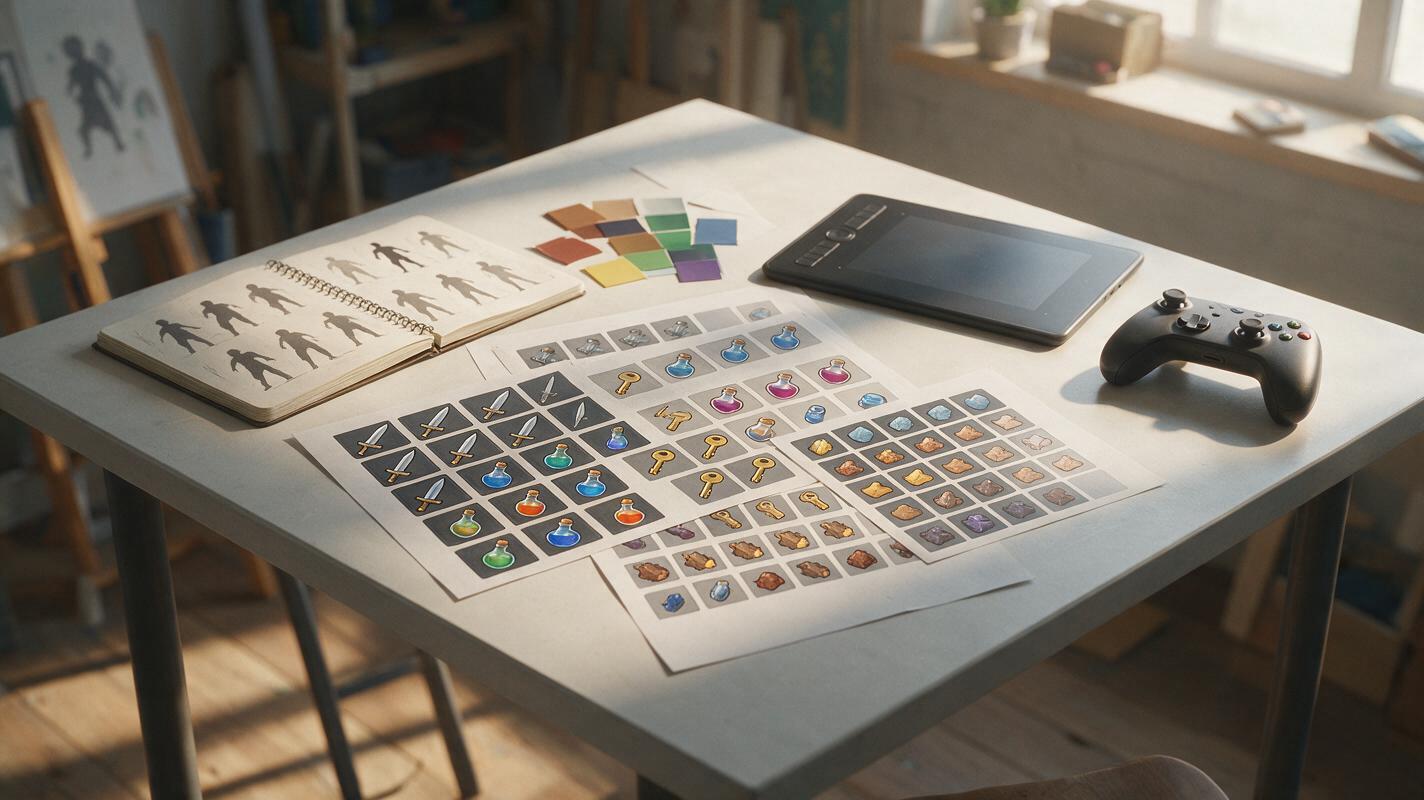
Midjourney Prompts for Readable Game Item Icons
Use these Midjourney prompt structures to design readable weapons, consumables, quest items, and crafting materials for game interfaces. The guide focuses on silhouette, visual hierarchy, set consistency, gameplay-scale testing, and practical cleanup.
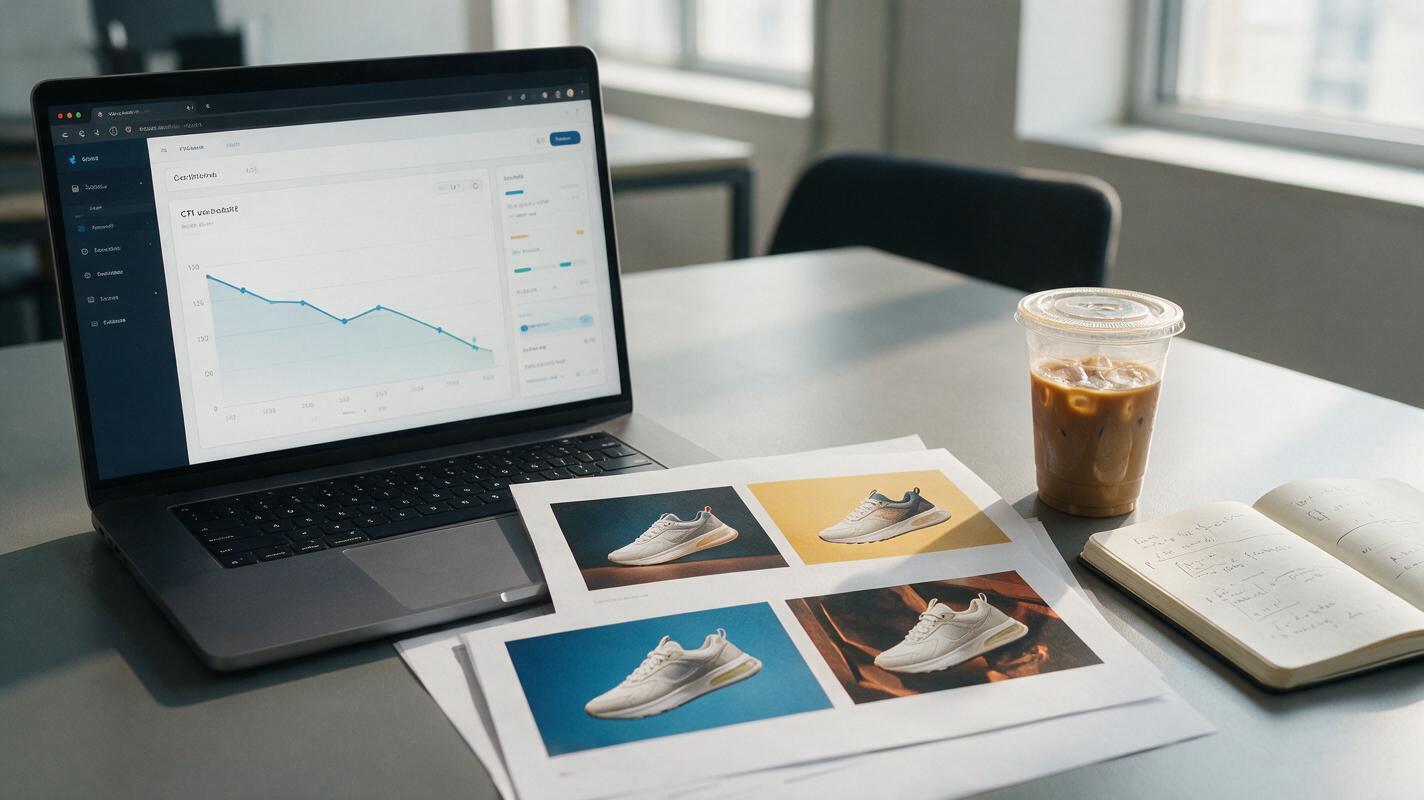
How to Refresh Fatigued Performance Ad Creatives in 30 Minutes
Performance marketers regularly lose campaign efficiency to ad fatigue, but refreshing winning ads doesn’t require starting from scratch. This guide walks through a PixVerse-powered workflow to refresh fatigued static and short video ad creatives in 30 minutes, while retaining the core hooks that drove original performance. You’ll learn which elements to keep, which to swap, and how to prioritize refreshed creatives for testing.

Midjourney Prompts for Luxury Perfume Campaign Images
Create luxury perfume campaign images with Midjourney prompts designed for polished hero shots, botanical stories, reflective sets, and atmospheric launch visuals. The guide also explains how to control bottle geometry, leave room for copy, and prevent AI styling from overwhelming the fragrance.
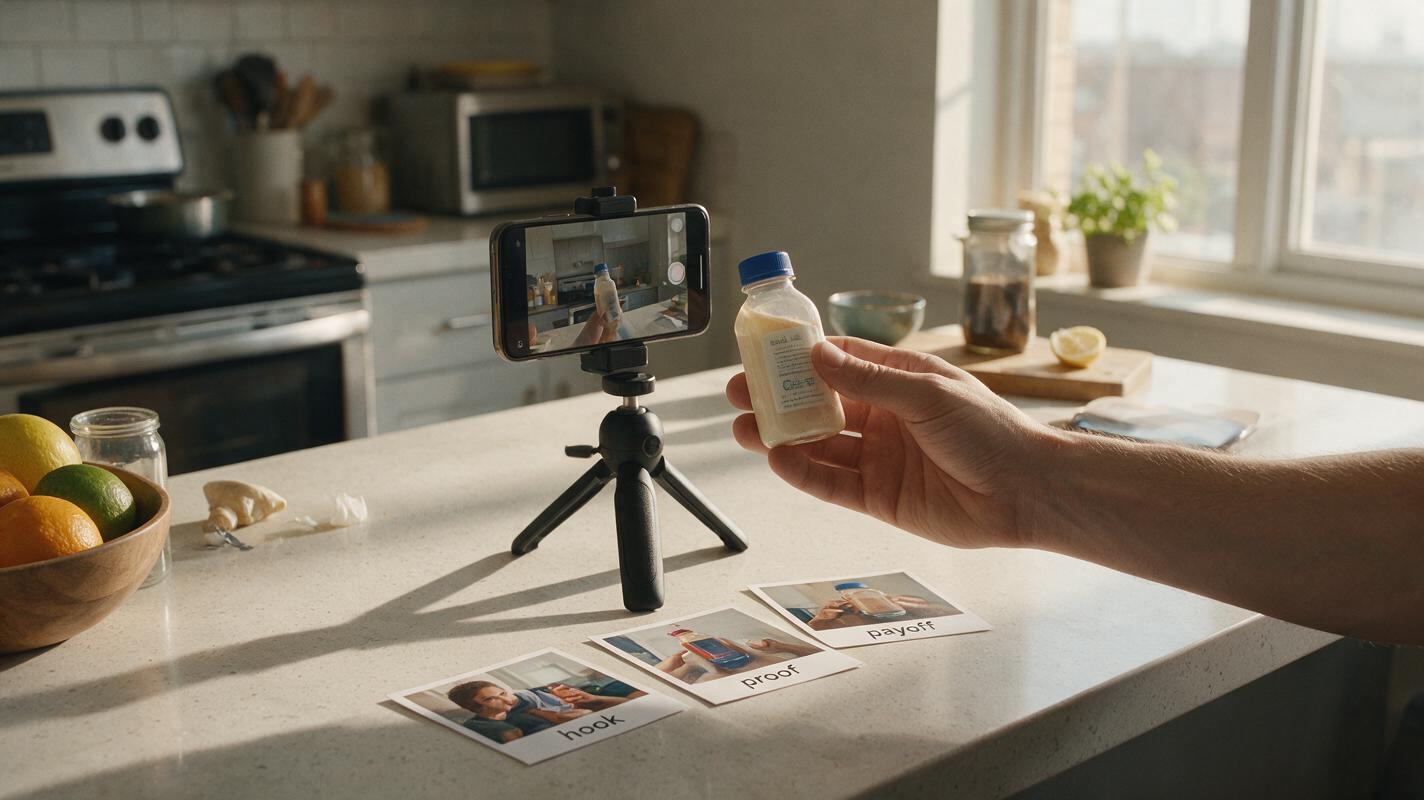
Why AI UGC Ads Feel Fake—and How to Fix Them With Vidu
AI UGC-style ads usually feel fake because they ask one generated clip to deliver a hook, demonstration, testimonial, and conversion message at once. This guide shows performance marketers how to use Vidu, shot-level prompts, controlled hook tests, and proof-led editing to create more believable paid-social videos.
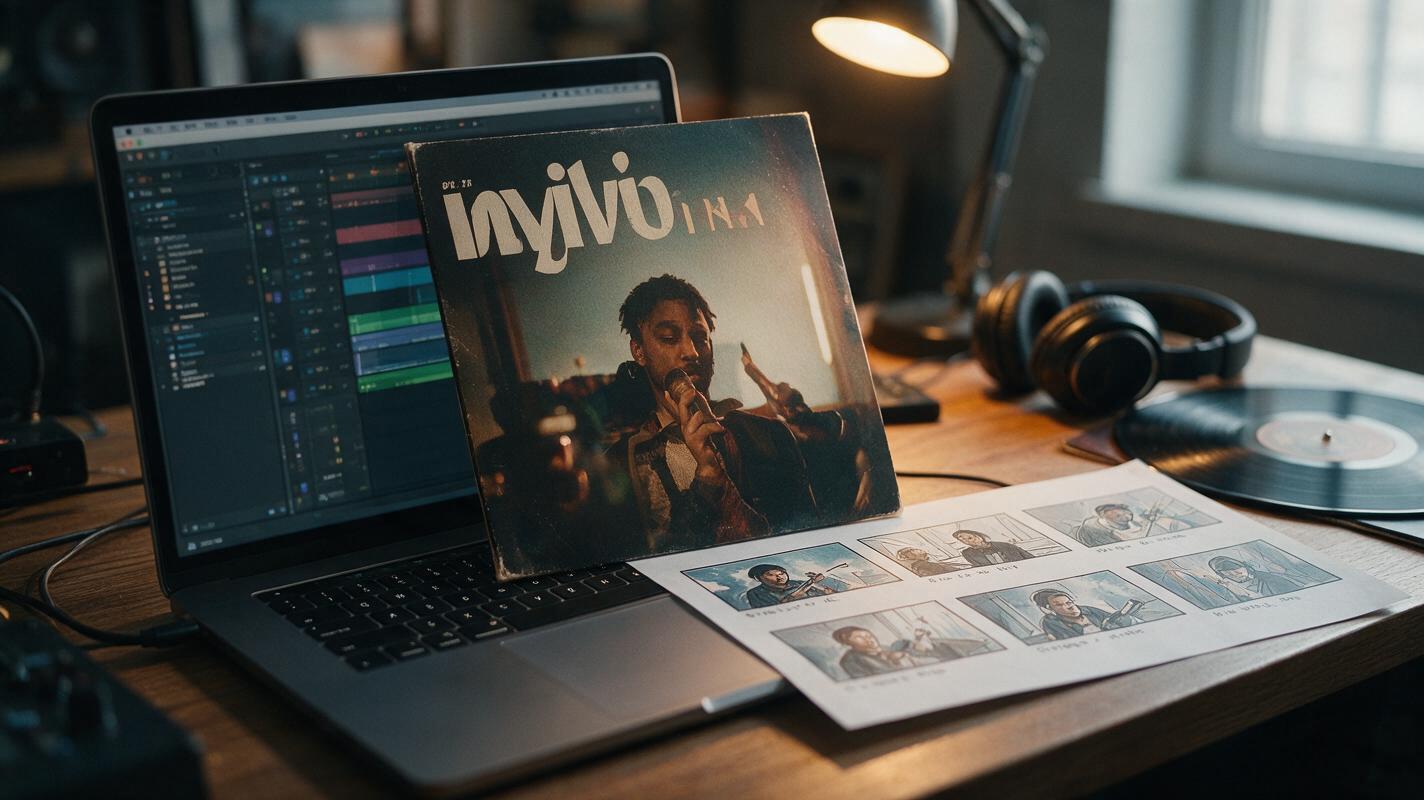
How to Make Consistent MV Storyboards From Cover Art With Flux
Music video storyboards keep your shoot on track, but maintaining consistent artist likeness and album visual style across every panel can take hours of manual work. This tutorial shows you how to use Flux’s reference image capabilities to turn your existing album cover art into a 6-10 panel MV storyboard with no character drift. You’ll get reusable prompts, style-locking tips, and a workflow that works for both live-action and AI-generated video projects.

Why Isometric Game Concept Art Breaks Perspective (And How Flux Fixes It)
Isometric game environment concept art generated with AI often suffers from skewed perspective, mismatched tile proportions, and inconsistent scale that makes it unusable for level design. This article breaks down the most common perspective errors in AI-generated isometric art, explains why they happen, and provides tested Flux prompts and settings to produce clean, production-ready isometric concepts. Game designers and concept artists can use these workflows to generate modular level pieces, town layouts, and dungeon tiles without manual perspective corrections.

Seedance vs Runway for Listing Photo Animation: Which Is Better for Real Estate?
This head-to-head comparison of Seedance and Runway evaluates both AI image-to-video models on real estate-specific metrics including architectural accuracy, motion quality, export flexibility, and effective cost per usable clip. It breaks down which model performs best for different use cases, from high-volume social reels to cinematic luxury property tours. Readers will get clear, actionable recommendations to choose the right tool for their listing animation workflow.