Blog
Discover the latest from MagicBoat
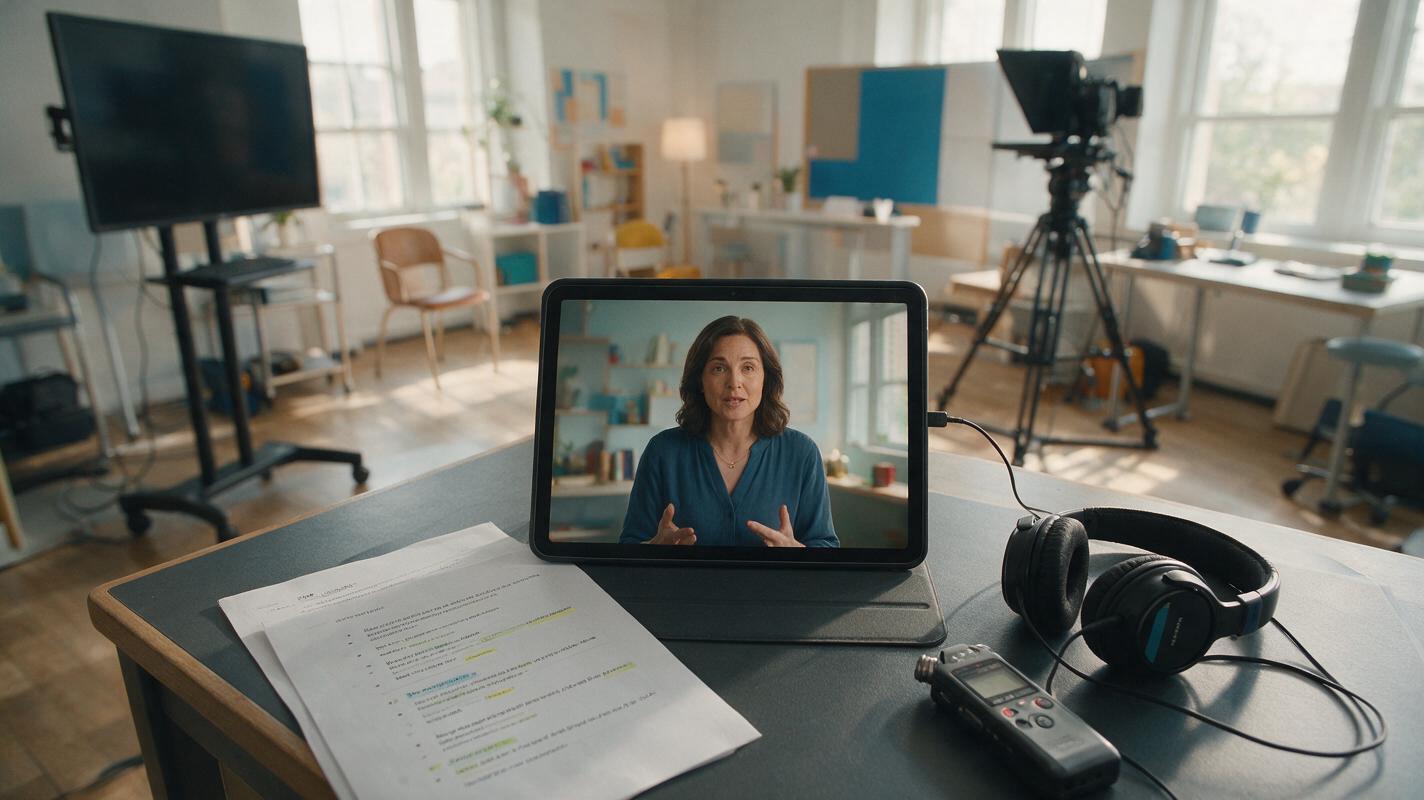
PixVerse Talking Course Avatar: Fix Lip Sync and Stiff Motion
A course avatar can save recording time, but mismatched mouth movements, frozen expressions, and excessive head motion quickly distract learners. This guide shows how to prepare a clean portrait, create restrained motion with PixVerse, synchronize short narration segments, and review the result for clarity and accessibility.
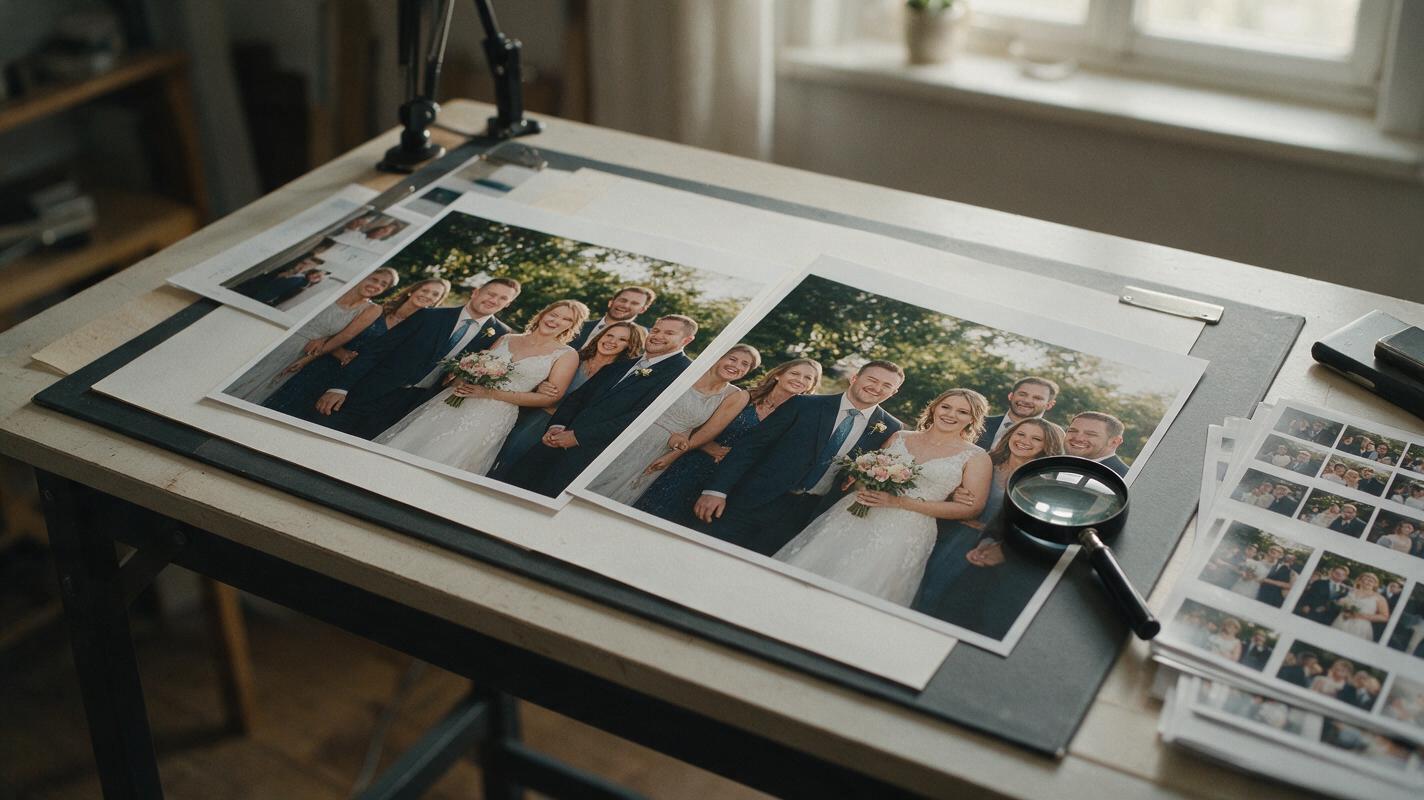
Fix Closed Eyes in a Wedding Group Photo With Nano Banana Pro
A single blink can spoil an otherwise excellent wedding group photo. This guide shows photographers how to use a second frame and Nano Banana Pro to repair closed eyes while keeping the final image faithful to the people photographed.
Luma Prompts for Product Review B-Roll Without Fake Features
Turn your own product photos into short, atmospheric cutaways for YouTube reviews without making generated footage look like evidence of a feature you never tested. These Luma prompt templates focus on restrained motion, recognizable product details, and clear boundaries between illustration and demonstration.
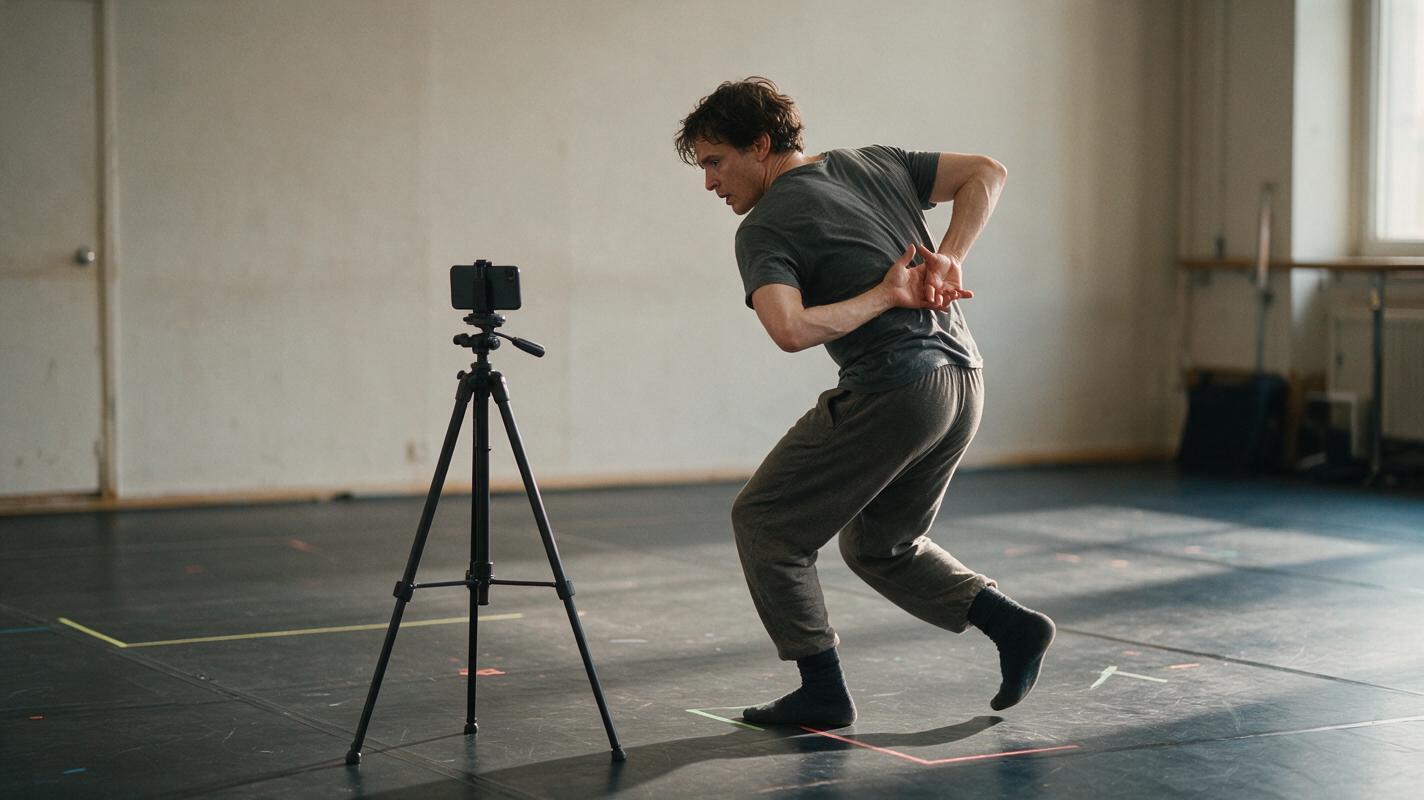
Motion Transfer AI Video: Direct Better Microdrama Performances
Learn how to turn a recorded body performance into a controlled vertical microdrama scene using motion transfer AI video. This production workflow covers performance planning, source recording, character preparation, prompting, generation, editing, and targeted repairs.

Keep the Same Character After Occlusion in AI Video
When a character passes behind a pillar or another person, the reappearance can look like a new face. This tutorial uses an occlusion-aware character sheet, paired boundary frames, and a shot-by-shot review to preserve identity through the reveal.
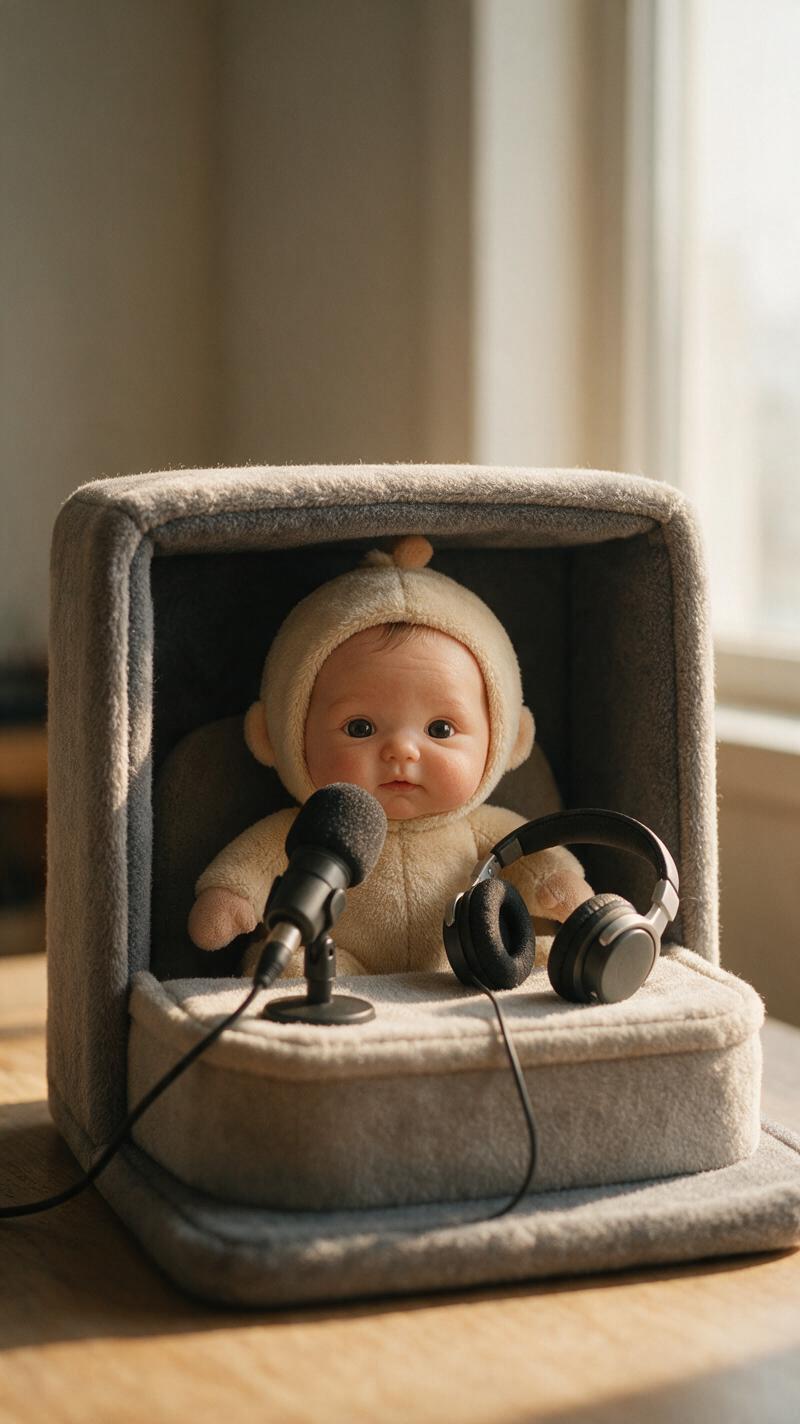
AI Talking Baby Podcast Generator: Make a Safe Fictional Short
Learn how to turn an original baby-like character into a short fictional podcast video using portrait generation, lip sync, restrained motion, and careful editing. This workflow prioritizes clear speech, stable facial animation, honest labeling, and evidence-based quality checks.
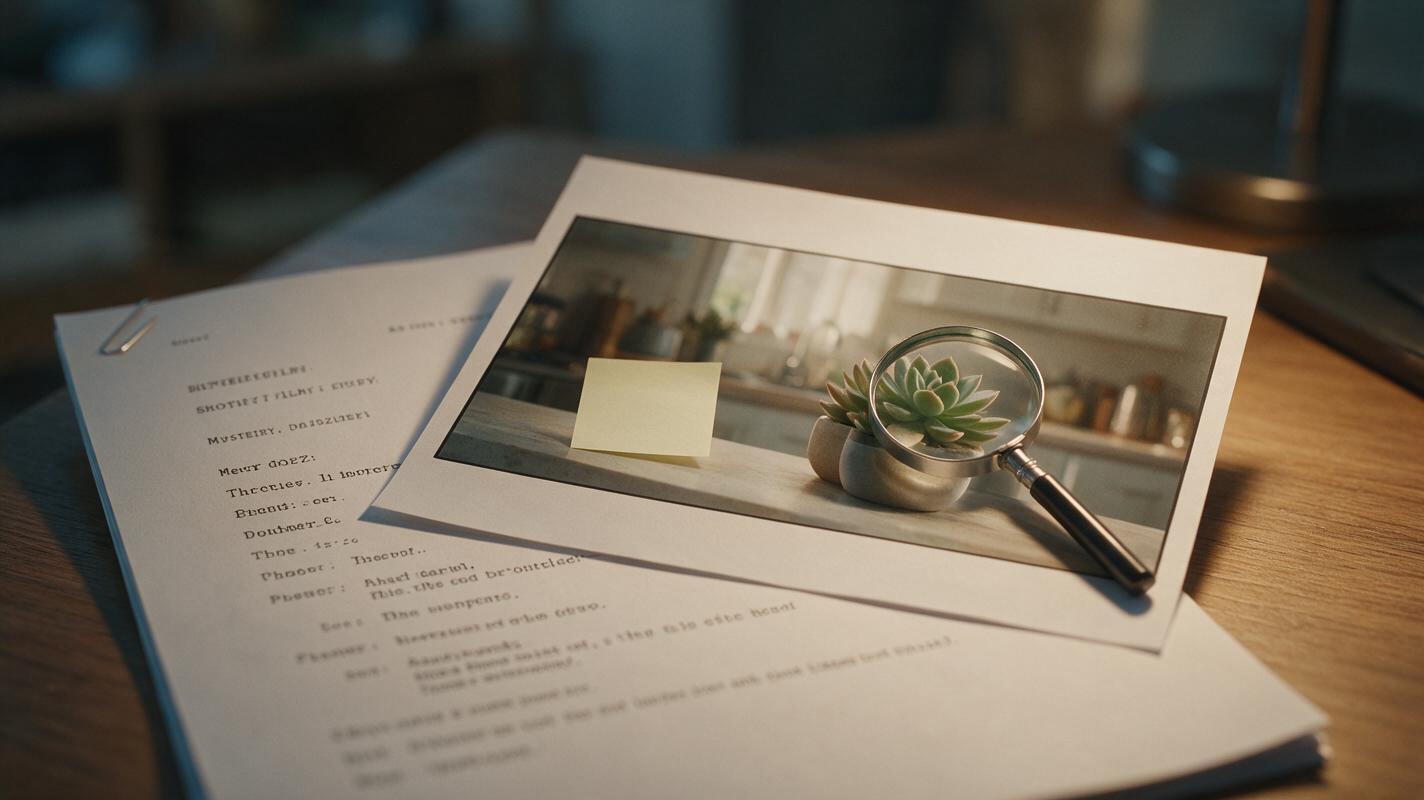
Script to Video: Plant Visual Clues for Mystery AI Short Film Twists
This tutorial shows creators how to use script to video AI to make mystery short films with earned twist endings by intentionally planting visual clues at every production stage. You’ll learn to mark clue beats in your script, generate consistent AI storyboard frames with hidden details, and render motion clips that guide viewer attention subconsciously. By the end, you’ll be able to direct an AI short film with satisfying foreshadowing without manual frame-by-frame edits.
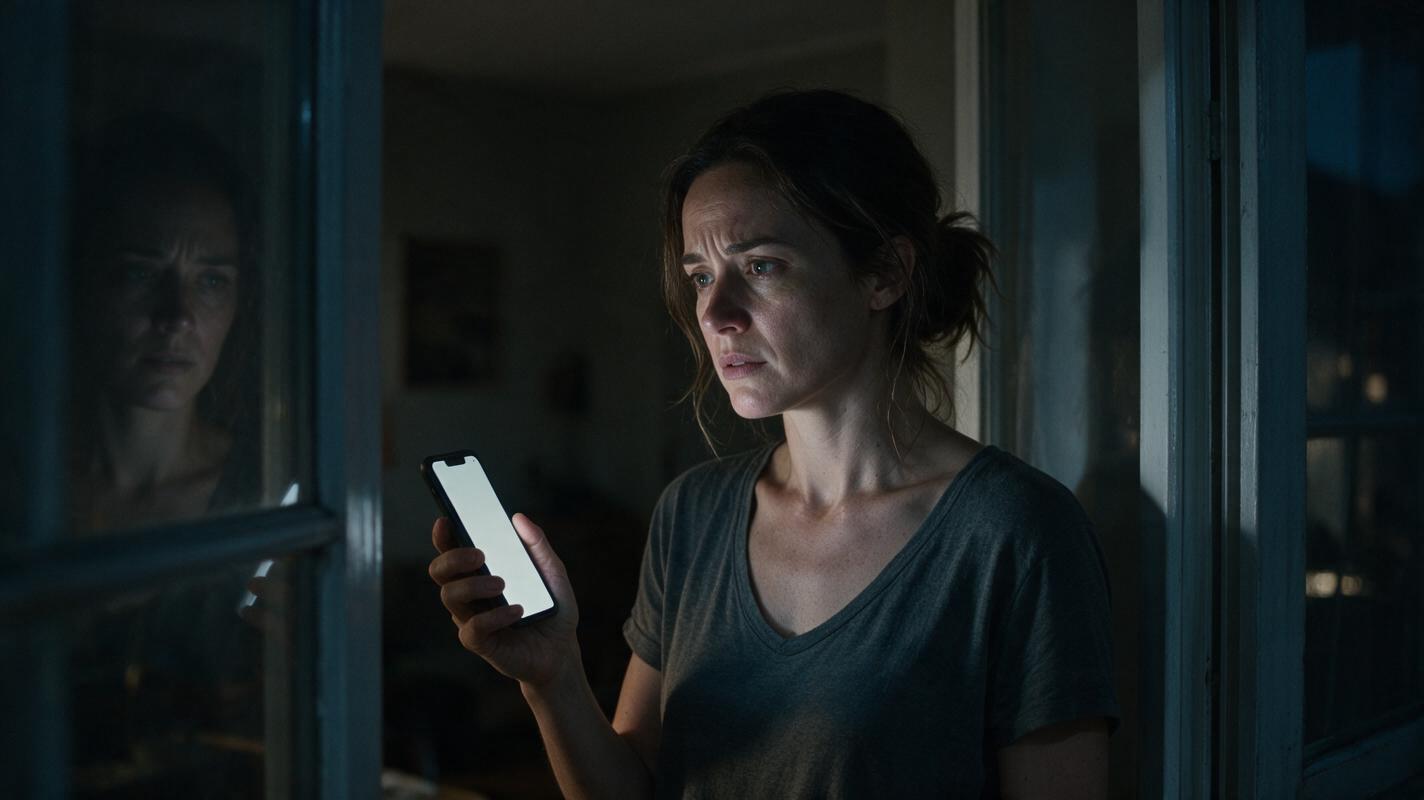
How to Make Phone Messages Readable in an AI Short Drama
Unreadable phone screens can break an otherwise convincing vertical drama scene. This tutorial shows how to separate message design from video generation, build a clean phone plate, composite reliable text, and connect every message to a visible character reaction.
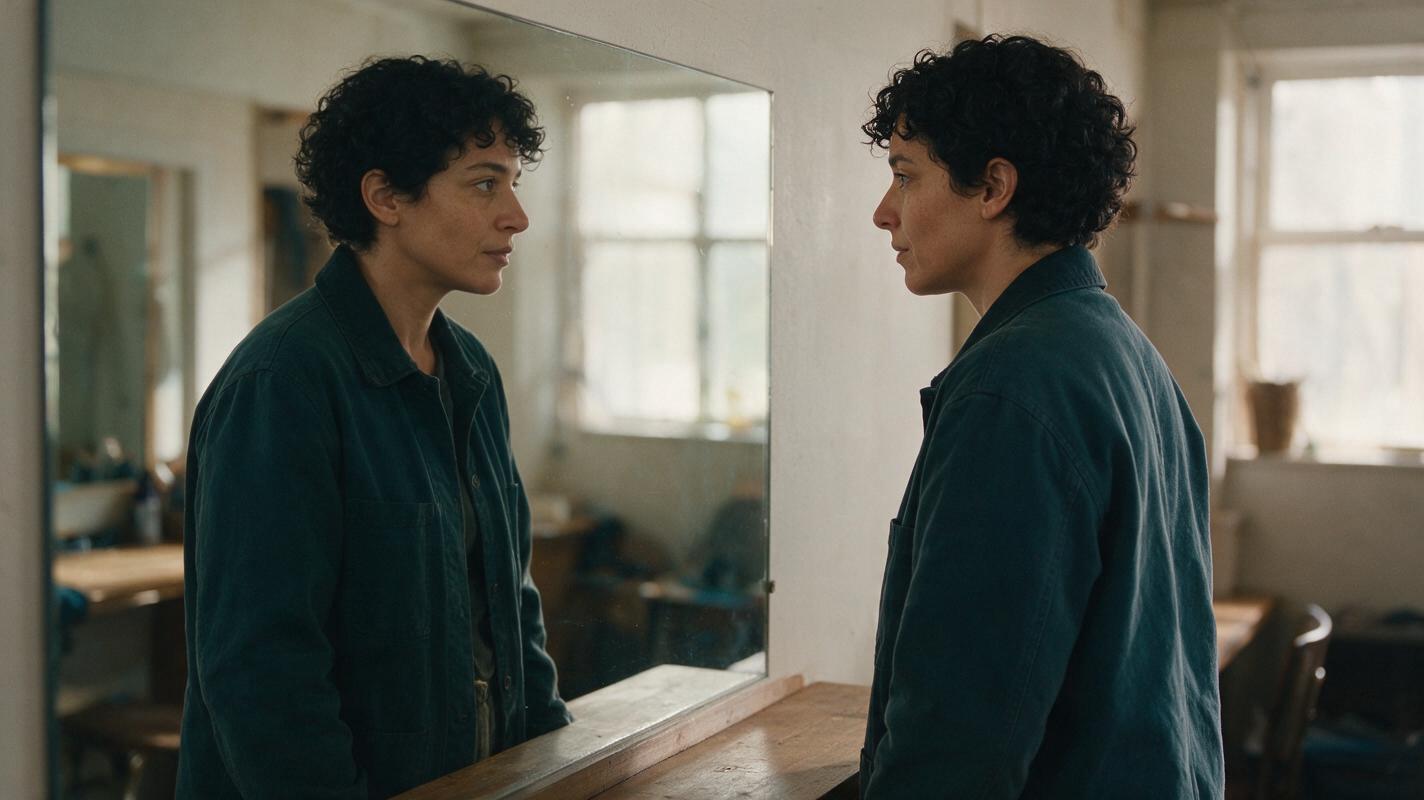
Keep the Same Character in AI Video Mirror Shots
Mirror shots can make one character look like two different people when a visible face and its reflection are generated independently. This tutorial uses an anatomy-aware character sheet, paired reference images, and cut-point checks to keep identity and movement coherent.
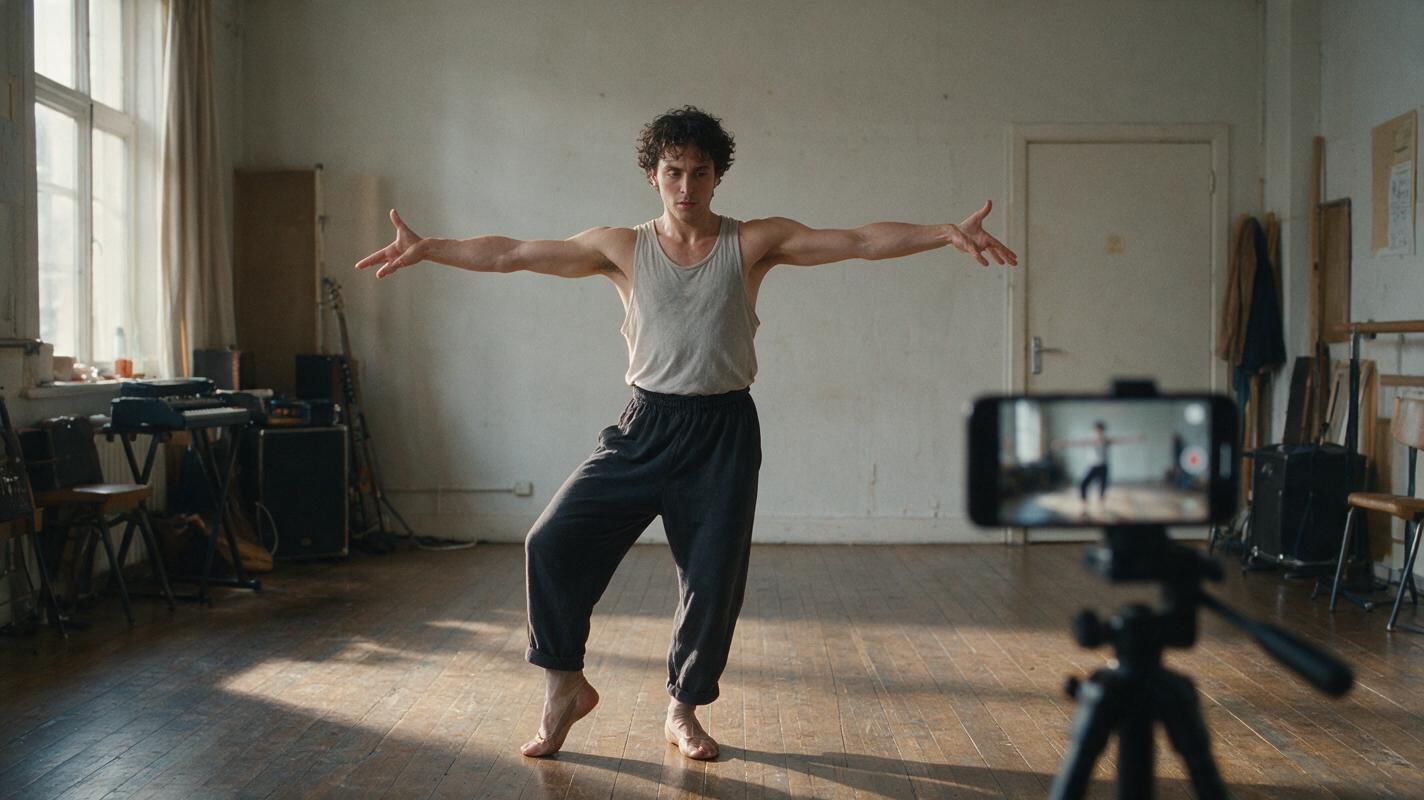
AI Dance Generator Workflow: Animate a Music Promo From One Portrait
Learn how to turn one full-body character portrait into a short dance promo while controlling identity drift, distorted limbs, camera movement, and beat timing. This practical workflow separates prompt-driven animation from exact motion transfer and shows how to document the result honestly.
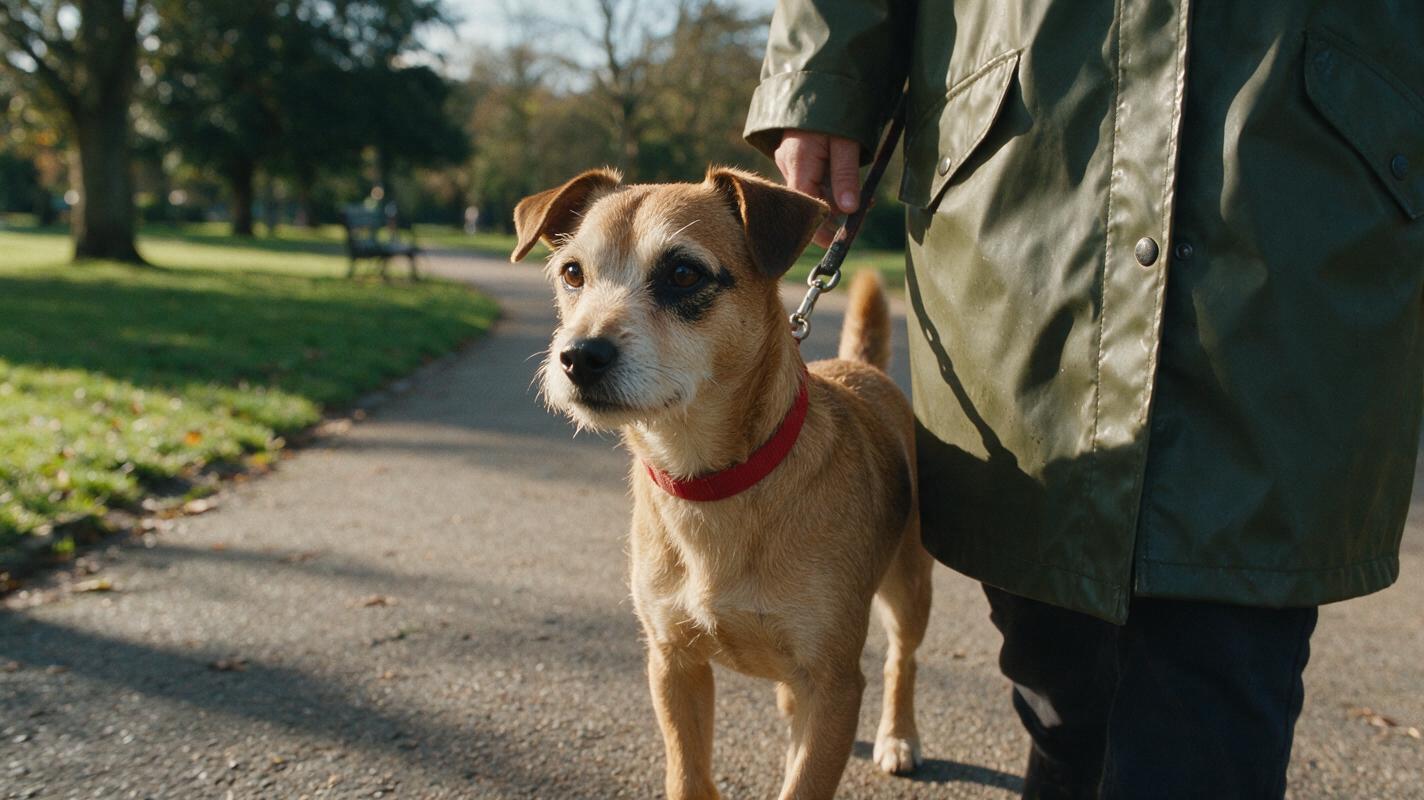
Keep the Same Dog and Owner Across AI Video Scenes
A dog can change markings, size, or collar between AI video shots even when its owner stays recognizable. This tutorial uses paired character references, a shot-by-shot continuity plan, and cut-point checks to keep both entities consistent.
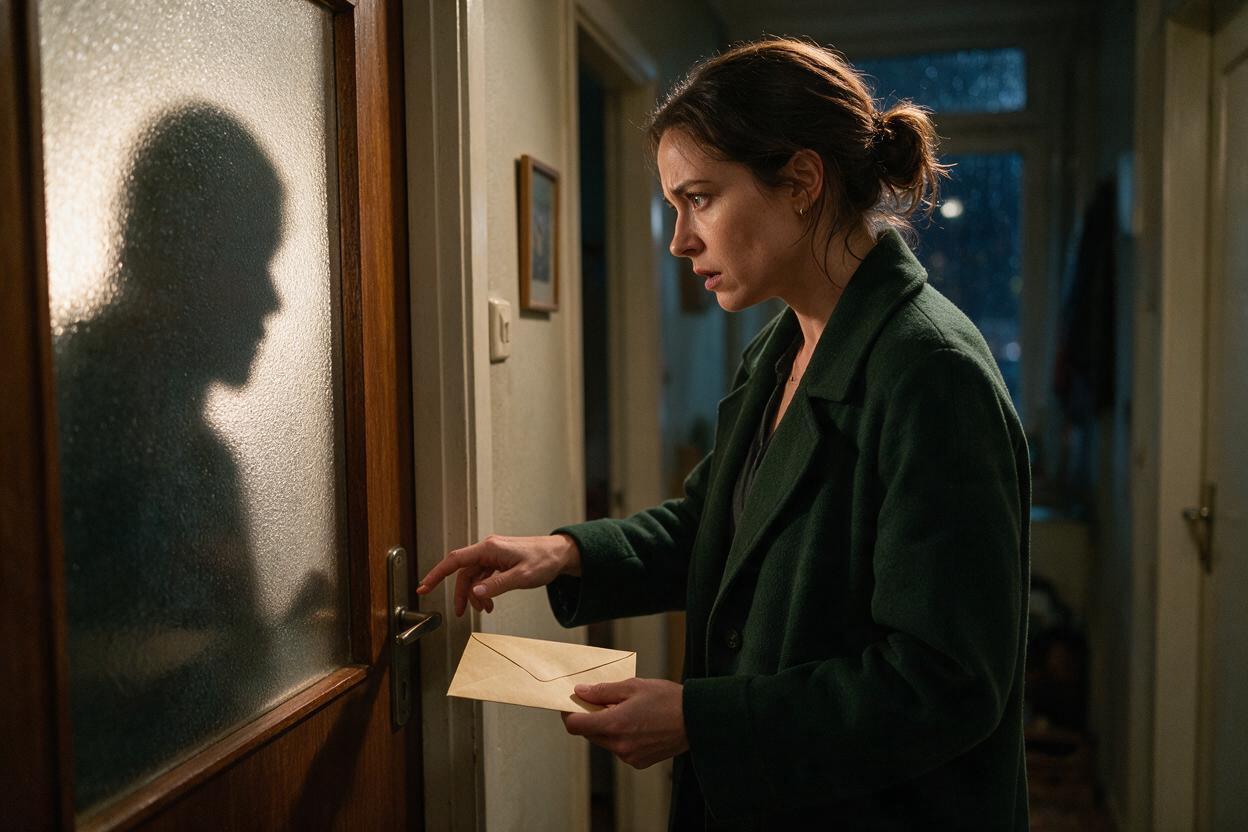
AI Series Video: Build Seamless Cliffhanger Handoffs
A strong episodic handoff makes the end of one AI-generated episode and the opening of the next feel like a single continuous event. This tutorial shows how to design, generate, and edit a reusable bridge unit that preserves character position, action, sound, and dramatic tension.